
Homeowner guide
Where to save on renovation, and where to spend, in a Singapore home
Spend on what is hard, messy or expensive to change once you live there: waterproofing, wiring and power points, plumbing, layout, windows and the carcass and hardware of your carpentry. Save on what you can swap in a weekend without a contractor: loose furniture, decor, paint colour, light fittings, curtains and some appliances. This guide shows how to sort your own list, how much to keep aside, and what can wait until after you move in.
- BTO, resale HDB and condo
- Spend or save, item by item
- What can wait until after move-in
The short answer
Where should I spend and where can I save on my renovation?
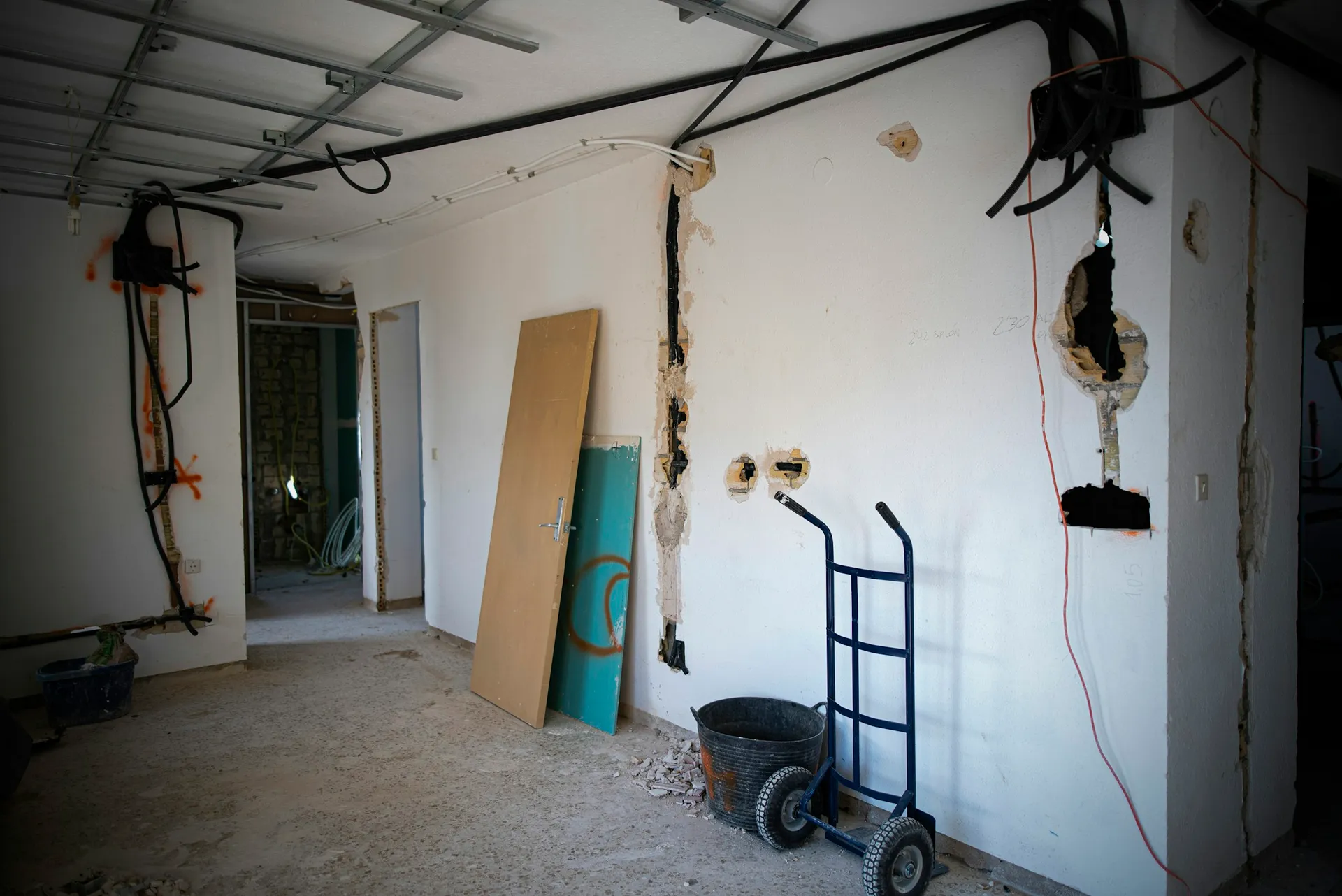
Short answer: spend on anything you would have to hack, re-tile, rewire or move out to change later, and save on anything you could replace in a weekend without a contractor. Hidden works and layout are expensive to redo; furniture, decor and paint colour are not.
A renovation budget rarely runs out because of one big mistake. It runs out because money went into the visible, fun items first, and the hidden works were squeezed at the end. Flip the order and most regrets disappear.
Three questions to sort any item
- Is it hidden behind tiles, walls or the ceiling? Waterproofing, concealed wiring and pipes can only be fixed by opening up finished work.
- Does changing it later need hacking, a permit or a licensed trade? In HDB flats, electrical works need an EMA licensed electrical worker, water and sanitary plumbing need a PUB licensed plumber, and window works need a BCA Approved Window Contractor (HDB). Each later job means booking that trade again.
- Will you touch it every day? Hinges, drawer runners, taps and worktops get used thousands of times a year. Cheap versions wear out first.
If the answer to any of these is yes, lean towards spending. If all three are no, it is usually a safe place to save.
Why redoing things later costs more than it looks
The bill for a redo isn't only the new item. It is the hacking, the making good, the new tiles that may not match the old ones, and the disruption of works in a home you live in. HDB limits noisy works such as demolishing walls, removing wall or floor finishes, cutting tiles and heavy drilling to 9am to 5pm on weekdays only, with none on weekends, public holidays or the eves of major festivals (HDB). A two-day fix can easily stretch across a week of your life.
"Spending more" doesn't mean buying premium brands. It usually means the right specification, enough points in the right places, and a competent licensed trade doing the work properly.
Item by item
Which items should I spend on, and which can I save on?
General guidance for HDB flats and condos. Your own layout, habits and how long you plan to stay may point you a different way.
| Spend more if | Save if | Why | |
|---|---|---|---|
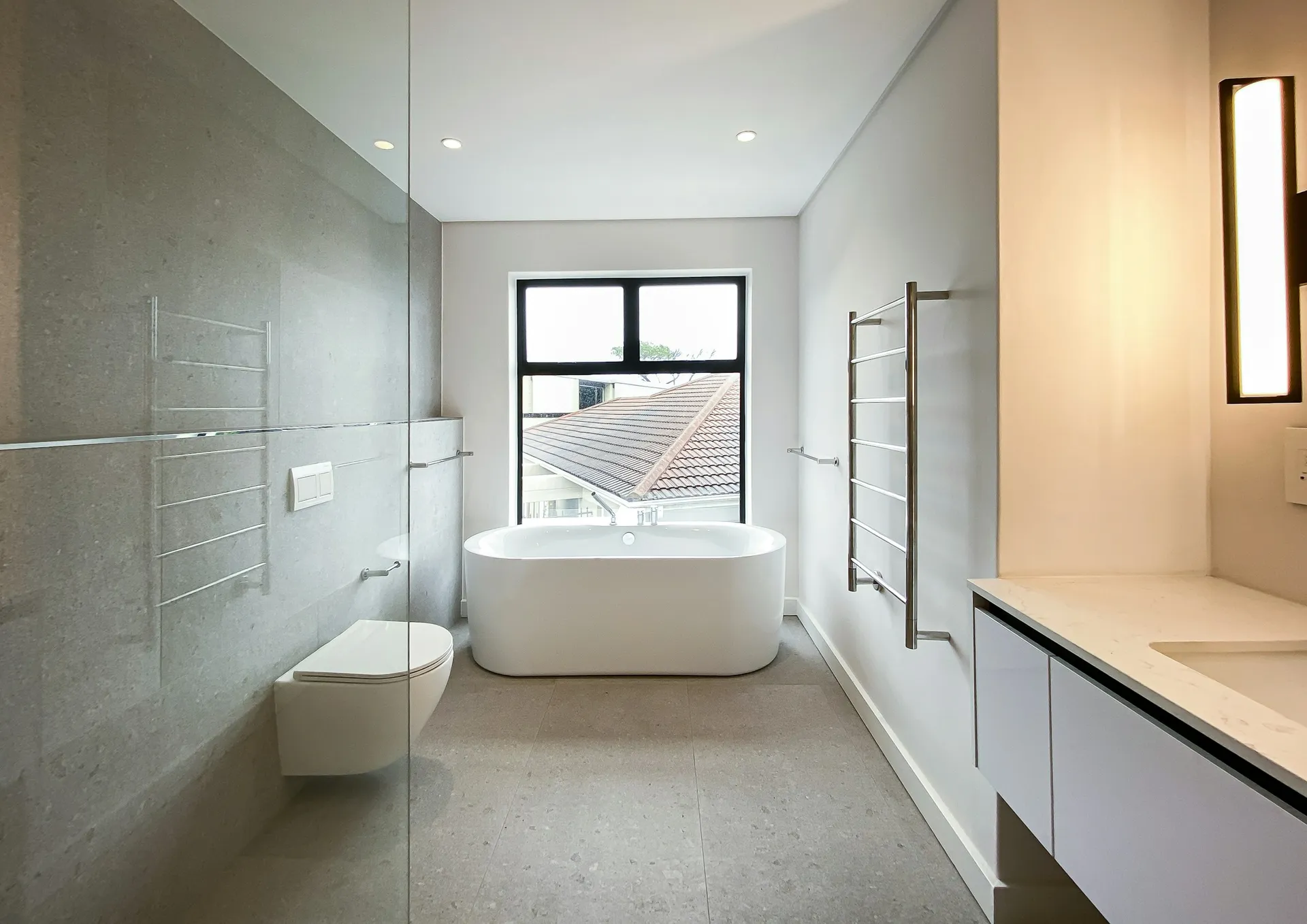
| Waterproofing in bathrooms and wet areas | Floors are being hacked, or the flat is older and has leaked before | You are overlaying sound tiles in a new flat and keep the original membrane | A failure leaks into the flat below and means hacking new tiles |
| Wiring, power and data points | It is a resale flat with old wiring, or you work from home | The wiring is recent and the points already match your layout | Adding points later means surface trunking or chasing finished walls |
| Plumbing and concealed pipes | Pipes are old or you are moving the sink, washer or water heater | Fixtures stay where they are and pipes are in good condition | Leaks behind tiles are hard to find and costly to reach |
| Hacking and layout | The current layout does not work for your household | The layout already works and only finishes look dated | Moving walls later redoes floors, ceilings and wiring |
| Windows | Frames are damaged or windows leak in heavy rain | Windows are sound and only need cleaning or new seals | Window works need an approved contractor and affect safety |
| Carpentry carcass and hardware | It is a kitchen, bathroom vanity or wardrobe you use daily | It is light-use storage you could replace with freestanding pieces | Swollen boards and failed hinges mean rebuilding, not repairing |
| Countertops | You cook often and the top must take heat, stains and knocks | You cook lightly and would accept a simpler top | Swapping a top later disturbs cabinets, sink and backsplash |
| Flooring | Existing tiles are hollow or cracked and must be hacked anyway | Tiles are sound and an overlay gives you the look | Floors are laid once and live under all your furniture |
| False ceilings and feature walls | A ceiling is needed to hide pipes, trunking or cove lighting | It is purely decorative | Decorative carpentry adds cost without adding function |
| Paint | Walls need proper preparation before painting | Only the colour is changing | A colour can be changed any weekend; poor preparation shows forever |
| Light fittings | Never on fittings alone; spend on the wiring and positions | Fittings can be swapped once the points are right | Changing a fitting is easy; moving a point is not |
| Curtains, decor and loose furniture | A piece is something you use every day for years, like a sofa or bed | It is decor, rugs, cushions or a piece you might outgrow | All of it moves with you and can be replaced in stages |
| Appliances | Sizes are fixed by built-in carpentry | They are freestanding and can be upgraded later | Built-ins lock in dimensions; freestanding ones do not |
Layout and carpentry
Is it worth paying more for carpentry and hacking?
Short answer: pay to get the layout right once, and pay for the carcass and hardware of carpentry you use every day. Save on the amount of carpentry and on the surface finish, not on what holds it together.
Layout and hacking
A layout change is one of the most disruptive things to redo, because it pulls floors, ceilings, wiring and carpentry along with it. If the layout already works, keeping it is one of the biggest savings available. If it doesn't, this is the place to spend, once. Remember that structural walls cannot be hacked, so check which HDB walls you can hack before you plan around a wall.
Carpentry: spend on the box and the moving parts
- Carcass material in wet areas. Under the sink, in the bathroom and in the service yard, the board has to cope with water. Our kitchen cabinets and bathroom vanities pages compare the options.
- Hinges and drawer runners. These are the parts that fail first in daily use. Ask what is specified and whether it is soft-close; it is a small line on the quote and a big difference after five years. Our post on sagging cabinet doors and peeling laminate shows what happens when they are under-specified.
- Save on quantity and finish. Each foot run you remove is a direct saving, and laminate is durable for most surfaces. Keep premium finishes for one feature piece. See carpentry finishes, carpentry cost in Singapore and built-in vs freestanding wardrobes.
Countertops: it depends how you cook
Lean towards spending on the kitchen top if you cook most days, use a wok or strong spices, or have young children, because a top that stains or chips is hard to swap without disturbing the cabinets, sink and backsplash. A simpler top is often fine if you cook lightly or expect to redo the kitchen within a few years. Compare options on countertops and quartz vs sintered stone.
Safe savings
Where can I safely save money on my renovation?
Short answer: save on things that sit in front of the walls rather than inside them: loose furniture, decor, paint colour, light fittings, curtains and freestanding appliances. Cutting scope (fewer feature walls, fewer foot runs of carpentry) saves more, and hurts less, than cutting the specification of hidden works.
Good places to save
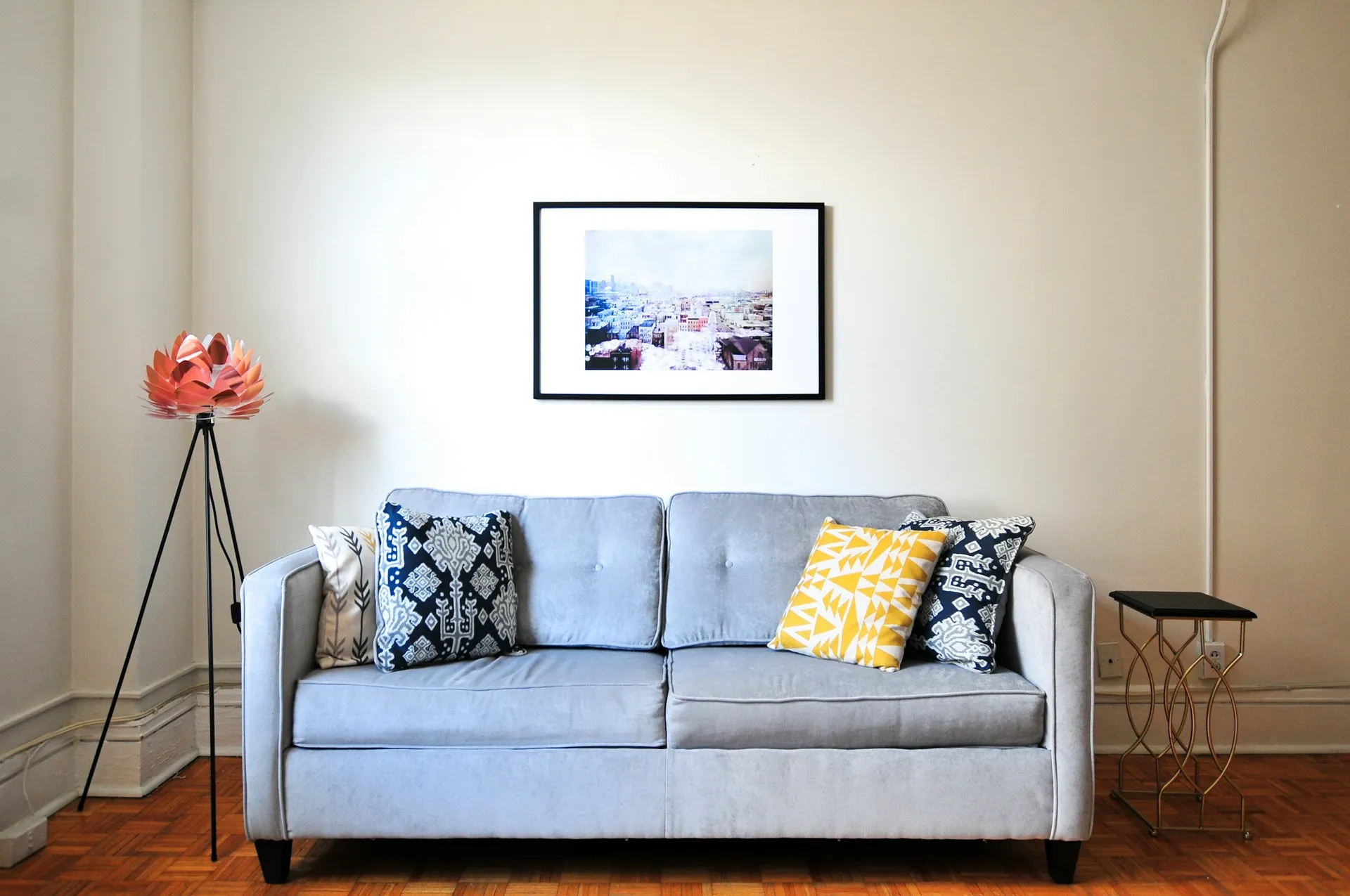
- Loose furniture and decor. Buy the pieces you need to live, and add the rest over months. Furniture moves with you; built-ins don't. The same FinLit guide notes that some upgrades, such as marble countertops with gold fixtures, can wait because you can always upgrade later (NYC FinLit).
- Paint colour. A colour can be changed any weekend. What deserves the budget is preparation: filling cracks, sealing and the right paint for wet or humid rooms. See wall finishes.
- Light fittings. Choose simple fittings now and upgrade later, as long as the points, switches and circuits are where you want them. Our home lighting design guide and lighting page help you place them.
- Curtains and blinds. Easy to install and change after you move in. See curtains vs blinds and window treatments.
- Some appliances. The FinLit guide lists smart home devices, built-in sound systems and branded appliances as not necessary at the start (NYC FinLit). Freestanding appliances can be upgraded later. The exception is anything built into carpentry, which fixes the size: measure appliances before carpentry.
- Decorative ceilings and feature walls. Keep a false ceiling where it hides pipes, trunking or lighting, and question it where it is purely decorative. See false ceilings.
- Floors that are still sound. An overlay can be a big saving over hacking. Compare options on flooring and vinyl flooring vs tiles.
Smart homes: devices can wait, wiring can't
Smart devices are an easy later upgrade, but only if the wiring, neutral wires, data points and power are planned now. See planning a smart home during renovation.
For help weighing one material against another, see our planning guides on how to choose renovation materials and low-maintenance home materials.
Watch out
Which cheap choices end up costing more later?
Short answer: the cheap choices that cost most are the ones you can only fix by hacking, rebuilding or moving out: thin waterproofing, too few power points, the wrong board in wet areas, cheap hinges and runners, and unlicensed or unapproved trades. A vague quotation is the other big one, because the gaps come back as variation orders.
The usual suspects
- Overlaying on top of hollow or cracked tiles. An overlay saves money only if the base is sound. Ask the contractor to check for hollow tiles first; see hollow and popping tiles.
- Trimming waterproofing in a bathroom that is being hacked. The saving is small and the risk is a leak through the slab.
- Too few points. Every point added after the walls are painted costs more than one planned at the start.
- Standard board under the sink or in the bathroom. Swelling is not repairable; the carcass has to be rebuilt.
- Bargain hardware. Doors that sag and drawers that stick are daily irritations, and replacing hardware later is fiddly on custom carpentry.
- Unlicensed electrical, plumbing or window works. HDB requires licensed or approved trades for these (HDB). Work done otherwise may have to be redone, and can cause trouble when you sell.
- The lowest quote with gaps. A quote that leaves items out isn't cheaper; it is incomplete. See how to compare renovation quotations.
Many of these show up in renovation regrets that Singapore homeowners describe after moving in.
Contingency
How do I stop my renovation budget running out halfway?
Short answer: fix the design before you sign, keep 10 to 15% of the budget aside for surprises, and protect that buffer from new ideas. The FinLit guide on the National Youth Council's site recommends an emergency buffer of about 10 to 15% of the renovation budget, because surprises always come (NYC FinLit).
Budgets usually break in the middle of the works, not at the start. Two things cause most of it:
- Changes after signing. A carpentry firm quoted in Qanvast's 2026 cost article says almost all projects have variation orders of some sort (Qanvast). Each change is priced without competition and may undo finished work. Our post on variation orders explains how to keep them small.
- Surprises behind the walls. Mainly in resale flats: old wiring, corroded pipes, uneven floors or hollow tiles that only show once hacking starts. These are what the buffer is for.
Keep the budget honest
- Start from realistic figures. Qanvast projects about $50,000 to $60,000 for a 4-room BTO and about $70,000 to $81,600 for a 4-room resale flat in 2026, based on 2025 project medians on its platform plus projected inflation (Qanvast). These are industry estimates, not quotes.
- Budget furniture and appliances separately, so they don't quietly eat the works budget.
- Put the hidden works at the top of the list, so if anything has to go, it is from the bottom.
- Get quotes on the same scope, then compare line by line.
- Map payments to months, so cash, loan or CPF funds are ready at each stage. See renovation payment schedules and renovation loans.
Our renovation budget guide walks through setting the number itself, with a worked example.
Step by step
How do I decide what to cut when the quote is over budget?
A simple order for trimming a quotation without cutting the wrong things.
- 01
List every line
Put each item from the quotation in one list, with its price. Ask the contractor to split any lump sums into parts you can see.
- 02
Tag each line hard or easy to change
Hard: waterproofing, wiring and points, plumbing, hacking and layout, windows, carcass and hardware. Easy: loose furniture, decor, paint colour, fittings, curtains, freestanding appliances.
- 03
Protect the hard-to-change lines
Leave their specification alone. If they cost more than expected, ask why, and compare that line against another quote for the same scope.
- 04
Cut scope before specification
Remove a feature wall, a decorative ceiling or a few foot runs of carpentry before you downgrade a membrane, a board or a hinge.
- 05
Move easy items to a later list
Anything that needs no hacking, wet works or permit can wait until after you move in. Write it down so it is a plan, not a loss.
- 06
Re-quote and keep the buffer
Ask for a revised quotation on the trimmed scope, then keep the 10 to 15% buffer untouched for genuine surprises.
Phasing
What can wait until after I move in?
Short answer: anything that needs no hacking, wet works, heavy drilling or permit can wait: loose furniture, decor, curtains, light fitting upgrades, extra freestanding storage and most appliances. Anything that involves tiles, walls, wiring, plumbing, windows or built-in carpentry in rooms you'll be living in is better done before you move in.
Why the heavy works should go first
HDB allows general renovation between 9am and 6pm on weekdays and Saturdays, with no works on Sundays and public holidays, and restricts noisy works such as hacking, removing finishes, cutting tiles and heavy drilling to 9am to 5pm on weekdays only (HDB). Living through that, with dust in every room, is what most families want to avoid. If you do renovate in stages while living in the flat, our guide to renovating while living in an HDB flat and storage during renovation cover the practical side.
Prepare now for what comes later
The trick to phasing is doing the hidden part of a later upgrade during the main works:
- Power and data points for a future TV wall, study desk, smart lock or appliance, even if the item comes later.
- Wiring and positions for lighting, so fittings are a simple swap.
- Aircon trunking routes, if units will be added later. See aircon for a new BTO.
- Wall reinforcement where you plan to mount shelves or a TV, so you are not drilling into a hollow partition later.
- A clear note of what was left out, so the next contractor prices the same plan. Any later works in an HDB flat still need a contractor from HDB's Directory of Renovation Contractors, and a permit where the works require one (HDB).
Good items for a phase two
- Loose furniture beyond the essentials, rugs and art
- Curtains for rooms you don't use much yet
- Upgraded light fittings
- Freestanding shelving and storage
- Appliance upgrades that don't change built-in sizes
- Smart devices, once the wiring is in
Owners who bring their own items into a contractor's job should agree the details first; our guide to owner-supplied items explains how.
BTO, resale or condo
Does the answer change for a BTO, a resale flat or a condo?
Short answer: the principle stays the same, but where the hidden risk sits changes. A new BTO has new services, so the money goes into layout, points and carpentry. A resale flat often needs more spent on wiring, plumbing and waterproofing. A condo depends on the age of the unit and your MCST's rules.
New BTO
- The 3-year rule on toilet finishes usually makes overlaying the bathroom floor the practical choice (HDB).
- Services are new, so spend on getting points, layout and daily-use carpentry right. Our BTO renovation cost post has the cost ranges.
Resale HDB
- Expect more of the budget to go on hidden works. Qanvast's 2026 projections for resale flats sit well above those for BTOs of the same size, largely because old finishes and services often need replacing (Qanvast).
- Inspect before you finalise the scope, and ask for likely repair items to be priced up front. See resale HDB renovation cost.
Condo
- Many condo units come with finishes worth keeping. Reusing a sound kitchen or bathroom is often the single biggest saving.
- Your MCST's rules on working hours, deposits and approvals apply on top. See condo renovation rules and condo renovation cost.
How long you plan to stay
If you expect to sell or rent the flat out after the minimum occupation period, lean towards durable, neutral choices and avoid spending on features the next person may remove. Our guide to renovating a flat to rent out or sell covers that case.
FAQs
Questions homeowners ask about where to save on renovation
Should I spend more on the renovation or on furniture?
Put the hard-to-change works first, because furniture can be bought in stages and moves with you. Buy the furniture you need to live, and add the rest once the budget recovers.
Is it worth paying more for waterproofing?
If the bathroom floor is being hacked, yes: it is a small share of the cost and the hardest thing to fix later. In a new BTO, overlaying sound tiles keeps the original membrane in place, so there's less to spend.
How much should I keep aside for surprises?
A buffer of about 10 to 15% of the renovation budget is a common guide. Older resale flats usually need the upper end.
How can I cut renovation costs without regretting it?
Reduce the amount of decorative carpentry, feature walls and ceilings, and keep finishes simple. Leave the specification of waterproofing, wiring, plumbing and hardware alone.
Can I renovate in stages after moving in?
Yes, for items that don't need hacking, wet works or heavy drilling. Plan the wiring and points for later upgrades during the main works so phase two is a simple job.
What if I run out of money halfway through the works?
Stop adding new items, finish the hidden works and wet areas first, and move cosmetic items to a later list. Talk to your contractor early about revising the remaining scope in writing.
See it before you spend it
Know where your budget goes before you sign
It is easier to protect the right items when every item is on paper. JIAHOME designs your home first, for a fixed fee that is never a percentage of the renovation cost: mood boards, 2D layouts, up to 10 3D views, and a quotation listing every item without prices, so any contractor can price the same scope. Packages start from $800 and your first consultation is free.
Important
Disclaimer and sources
This guide is general information to help homeowners plan a renovation budget. It is not financial advice. Cost figures are industry estimates, not quotes, and your own scope decides what you pay. HDB rules were checked in November 2026 and can change, so confirm current requirements with HDB, your MCST and your contractor before you commit.