Window treatments in Singapore do three jobs: block strong tropical sun and heat, give privacy in dense estates where the next block may be close, and soften a room. They also have to cope with humidity, dust from open windows and frequent washing.
Broadly, curtains (sheers, dim-out night curtains, blackout and day and night sets) give the softest look and the best complete blackout and noise reduction. Blinds (roller, zebra or combi, Venetian, Roman, honeycomb and vertical) are neater, adjustable and often easier to keep clean. Motorisation and window films add convenience, heat control and privacy.
Below, every option a Singapore homeowner realistically chooses from, with indicative prices where a source states them. The buying guide covers measuring, humidity and mould, sun and heat, safety, and a brief note on HDB window rules: curtains and blinds are fitted by any installer, but replacing the windows themselves must be done by a BCA Approved Window Contractor listed with HDB.
Window treatments options at a glance
| Option | Cost | Durability | Upkeep | Best for |
|---|---|---|---|---|
| Day curtains (sheers) | Budget | moderate | medium | Living rooms and bedrooms that want soft daylight |
| Night curtains (dim-out) | Mid-range | good | medium | Living rooms and bedrooms that do not need full darkness |
| Blackout curtains | Mid-range | good | medium | Bedrooms, shift workers, babies and home theatres |
| Day and night curtains | Upper | good | medium | Living rooms and master bedrooms |
| Roller blinds | Budget | good | low | Kitchens, studies, bathrooms and modern minimalist rooms |
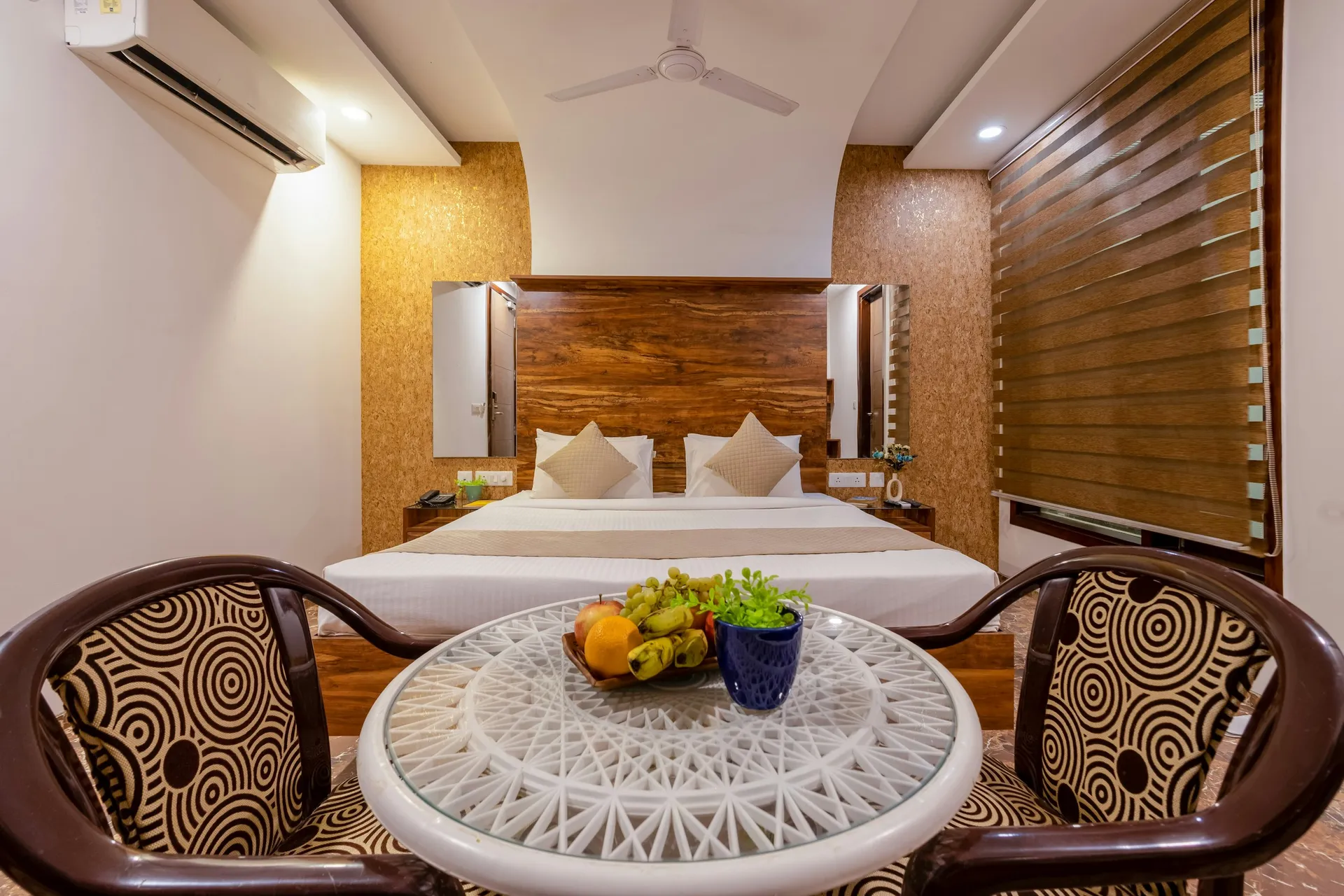
| Zebra or combi blinds | Mid-range | moderate | low | Bedrooms and living rooms that want adjustable light in a neat blind |
| Venetian blinds (aluminium, PVC or timber) | Budget | good | high | Kitchens and bathrooms (aluminium or PVC), studies and colonial or rustic rooms (timber) |
| Roman blinds | Upper | good | medium | Bedrooms, bay windows and classic or boutique interiors |
| Honeycomb (cellular) blinds | Upper | good | medium | Sunny bedrooms and studies where heat and glare are a problem |
| Vertical blinds | Budget | good | medium | Wide windows, balcony sliding doors and offices |
| Motorised curtains and blinds | Premium | good | low | Large or hard-to-reach windows and smart home setups |
| Window films | Budget | good | low | Bathroom windows, west-facing glass and small flats |
Cost is relative within window treatments ($ budget to $$$$ premium). Actual prices depend on brand, size and workmanship, so compare itemised quotes.
Day curtains (sheers)
- Budget Budget
- Durability: moderate
- Upkeep: medium
Light, translucent fabric that filters glare while keeping daylight and some privacy. Often paired with night curtains or blinds.
Best for: Living rooms and bedrooms that want soft daylight
Pros
- Softens harsh sun while keeping the room bright
- Gives daytime privacy from neighbouring blocks
- Light to wash and quick to dry
Cons
- Little privacy at night when lights are on inside
- No real heat or light blocking on its own
- Light fabrics can yellow or fade in strong sun
MoneyBees estimates a plain day curtain from about $120 per window in 2026 (indicative). Sheers are rarely used alone in bedrooms; they are usually the front layer of a day and night set.
Choose washable polyester sheers for easy care and ask about UV-resistant fabrics for west-facing windows. Ripple fold (S-fold) tracks give a neat, even wave; pinch pleats give a more traditional look. Light-coloured sheers show dust and marks quickly, so pick a fabric that can go in a home washing machine on a gentle cycle.
Night curtains (dim-out)
- Mid-range Mid-range
- Durability: good
- Upkeep: medium
Thicker, opaque fabric that gives night-time privacy and cuts most light and heat, without the full darkness of blackout.
Best for: Living rooms and bedrooms that do not need full darkness
Pros
- Privacy at night and good sun shading
- Wide range of colours and textures
- Usually cheaper than blackout fabric
Cons
- Some light still filters through
- Heavier to wash and rehang
- Fabric can fade in direct sun
MoneyBees estimates dim-out or night fabric from about $3 per square foot, compared with about $2 for sheers and $5 for blackout (2026, indicative). Ask for samples held against your actual window in daylight to judge how much light comes through. Lined curtains last longer and hang better. Dim-out curtains suit living rooms where you want privacy at night but do not need a dark room, and they pair well with a sheer layer for daytime.
Blackout curtains
- Mid-range Mid-range
- Durability: good
- Upkeep: medium
Curtains with a dense or coated fabric that blocks almost all light. The usual choice for bedrooms, nursery rooms and media rooms.
Best for: Bedrooms, shift workers, babies and home theatres
Pros
- Blocks almost all light for better sleep
- Strongest privacy and good heat shading
- Heavier fabrics also help reduce noise
Cons
- Light leaks at the sides and top unless the track is well planned
- Heavy to wash and rehang
- Coated backings can crack after repeated washing
MoneyBees estimates blackout curtains at about $350 to $900 per window (2026, indicative). Qanvast notes curtains generally give the best light coverage, and heavier fabrics block more sound, which helps homes facing a road or corridor.
To get real darkness, extend the track past the window on both sides, mount it close to the ceiling (a curtain box in a false ceiling works well) and let the curtain overlap at the centre. Check whether the fabric is washable at home or needs professional cleaning.
Day and night curtains
- Upper Upper
- Durability: good
- Upkeep: medium
Two layers on a double track: a sheer at the front and an opaque or blackout curtain behind. The most common curtain setup in Singapore homes.
Best for: Living rooms and master bedrooms
Pros
- Choose daylight or full privacy as needed
- Layered look that suits most interior styles
- Combines glare control by day and darkness by night
Cons
- Twice the fabric to wash
- Needs depth for a double track or curtain box
- Costs more than a single layer
MoneyBees estimates a day and night set at about $280 to $750 per window, and whole-flat day and night packages for a 4-room BTO from about $1,500 (2026, indicative). Packages vary in fabric quality, so compare on the same fabric grade and track type.
Plan a curtain box or ceiling pelmet deep enough for two tracks during the false ceiling stage. Squarerooms' experts suggest checking the track, installation method, fold style and fabric detailing when comparing quotations.
Roller blinds
- Budget Budget
- Durability: good
- Upkeep: low
A single sheet of fabric that rolls up into a cassette at the top. Available in sunscreen, dim-out, blackout and waterproof fabrics.
Best for: Kitchens, studies, bathrooms and modern minimalist rooms
Pros
- Clean, minimal look that takes little space
- Easy to wipe or spot clean
- Waterproof and blackout fabrics available
- Affordable and easy to motorise
Cons
- Only fully up or down, with no soft middle setting
- Light leaks at the sides
- Fabric edges can fray if the blind runs unevenly
MoneyBees estimates roller blinds at about $180 to $450 per window (2026, indicative). Squarerooms describes them as easier to maintain and more affordable than many alternatives, and they are also available in fully waterproof versions for wet areas.
Sunscreen (mesh) fabrics cut glare and heat while keeping a view out by day, but give little privacy at night. Fit inside the window recess for a neat look or outside it to reduce light leaks. Check that the blind does not obstruct the window opening or the casement stays.
Zebra or combi blinds
- Mid-range Mid-range
- Durability: moderate
- Upkeep: low
A roller blind with alternating bands of opaque and sheer fabric in a double layer. Sliding the layers lines the bands up for view or offsets them for privacy. Also called Korean or rainbow blinds.
Best for: Bedrooms and living rooms that want adjustable light in a neat blind
Pros
- Adjustable light and privacy without lifting the blind
- Neater and slimmer than curtains
- Easy to motorise
Cons
- Not a true blackout, even with dark bands
- Sheer bands can wear with use
- Mechanism quality varies widely
MoneyBees estimates zebra or Korean combi blinds at about $5.90 to $8.90 per square foot including installation (2026, indicative). Squarerooms' experts note the thin sheer fabric can wear off easily and that mechanism quality matters, so test the operating chain and ask about the warranty.
For bedrooms that need darkness, pair a combi blind with a blackout curtain, or choose a blackout roller instead.
Venetian blinds (aluminium, PVC or timber)
- Budget Budget
- Durability: good
- Upkeep: high
Horizontal slats that tilt to control light and privacy, in aluminium, PVC, real timber or faux wood. Described by Singapore experts as the most popular blind style locally.
Best for: Kitchens and bathrooms (aluminium or PVC), studies and colonial or rustic rooms (timber)
Pros
- Precise light and privacy control by tilting
- Aluminium and PVC versions handle humidity and wet areas
- Timber slats add warmth and suit colonial and rustic styles
- Generally affordable
Cons
- Each slat collects dust and must be cleaned individually
- Hard to achieve full blackout
- Timber can warp in damp rooms
- Slats can rattle with wind or a fan
Squarerooms' experts call Venetians the most popular blind style in Singapore for function, simple design and low cost, and recommend PVC blinds for toilets because the material is waterproof. MoneyBees estimates Venetians at around $300 per window (2026, indicative) and notes that timber versions can warp in damp rooms.
Use aluminium or PVC in kitchens and bathrooms. Keep real timber for dry, air-conditioned rooms, or choose faux wood for a similar look with better moisture resistance. Dust weekly with a microfibre glove to avoid a big cleaning job later.
Roman blinds
- Upper Upper
- Durability: good
- Upkeep: medium
Fabric blinds that fold up into soft horizontal pleats. A tailored look between a curtain and a blind, with blackout linings available.
Best for: Bedrooms, bay windows and classic or boutique interiors
Pros
- Soft fabric look in a compact form
- Can be lined for blackout and insulation
- Uses less fabric than full curtains
Cons
- Folds sit in the top of the window, reducing light when raised
- Harder to clean than roller blinds
- Cords need child safety fittings
Squarerooms' experts note Roman shades give strong cover, and with blackout fabric can be darker than other blinds. Price depends heavily on the fabric. Check whether the fabric is detachable for washing, and make sure cords are tensioned or cordless if you have young children. Roman blinds suit bay windows and smaller windows where full curtains would overwhelm the room.
Honeycomb (cellular) blinds
- Upper Upper
- Durability: good
- Upkeep: medium
Pleated fabric formed into hexagonal cells that trap air. Available in light-filtering and blackout fabrics, and often in top-down, bottom-up versions.
Best for: Sunny bedrooms and studies where heat and glare are a problem
Pros
- Air pockets in the cells help reduce heat through the window
- Top-down, bottom-up versions give privacy while letting light in at the top
- Compact stack when raised
Cons
- Dust can collect inside the cells
- Not suited to wet areas or windows that stay damp
- Fewer local suppliers and fabric choices than roller blinds
Manufacturers market honeycomb blinds for insulation, because the cells hold a layer of air between the window and the room. Actual heat reduction depends on the fabric, fit and window, so ask the supplier for product data rather than relying on general claims.
Keep them away from bathrooms and kitchens and clean with a soft brush or the low setting on a vacuum. A top-down, bottom-up blind is useful in low-floor flats facing a corridor or a neighbouring block.
Vertical blinds
- Budget Budget
- Durability: good
- Upkeep: medium
Vertical fabric or PVC slats that tilt and draw to the side on a track. Practical for wide windows and sliding doors.
Best for: Wide windows, balcony sliding doors and offices
Pros
- Covers wide openings at low cost
- Tilt to control light while keeping some view
- Draws aside fully for access to sliding doors
Cons
- Can look office-like in a home
- Slats can tangle or sway with wind
- Fabric slats collect dust
Squarerooms' experts describe vertical blinds as more flexible than a conventional curtain, because tilting adjusts light while keeping some privacy and brightness. They make most sense across balcony doors and very wide windows, where a horizontal blind would be heavy to lift. Choose PVC slats near the balcony for easier wiping. Ask for weighted bottoms or a linking chain so slats sway less when the balcony door is open, and check the blind stacks fully to one side for easy access.
Motorised curtains and blinds
- Premium Premium
- Durability: good
- Upkeep: low
Curtain tracks or blinds driven by a motor, controlled by remote, wall switch, app or timer. Increasingly common for tall windows and smart homes.
Best for: Large or hard-to-reach windows and smart home setups
Pros
- Opens and closes large or heavy curtains effortlessly
- Schedules and app control, useful for sun on west-facing windows
- Fewer cords, which is safer for children
Cons
- Significant extra cost per window
- Needs a power point near the window, or battery charging
- Cannot be operated if the motor fails or power is lost
MoneyBees estimates a motorised curtain track with remote adds about $350 to $900 per window, and branded blind motors about $500 to $1,200 or more per window (2026, indicative). Squarerooms' experts note the downside: if the motor fails or power is lost, the blinds cannot be operated.
Decide early: wired motors need a power point near the track, which must be installed by an EMA licensed electrical worker before the false ceiling and painting. Battery or rechargeable motors avoid wiring but need charging. Check app compatibility and the motor warranty.
Window films
- Budget Budget
- Durability: good
- Upkeep: low
Thin films applied to the glass for privacy, solar heat and UV reduction, or decoration. Frosted privacy films are common on bathroom windows.
Best for: Bathroom windows, west-facing glass and small flats
Pros
- Takes no space and leaves the window frame clear
- Privacy films give near-total screening by day
- Solar films help reduce glare and UV
Cons
- Not adjustable once applied
- Solar films do not give privacy
- Poor installation leaves bubbles or peeling edges
Squarerooms notes window films are discreet and space-saving, offer UV protection, and are most commonly applied to bathroom windows; privacy films can give close to full screening, which solar films do not. Some reflective films give privacy only from the brighter side, so you may still be visible at night.
Films are applied to the glass, not the frame, so they do not change the window itself. Ask the installer whether the film suits your glass type, and keep it clear of hinges and stays so the window still operates safely.
How to choose, room by room
- Living room: day and night curtains for flexibility, or a combi blind for a cleaner look. Heavy night curtains help if you face a busy road.
- Master bedroom: blackout curtains or a blackout roller blind, often with sheers for daytime.
- Common bedrooms and study: roller, combi or Venetian blinds, which take less space next to desks and beds.
- Kitchen: aluminium or PVC Venetians or a waterproof roller blind, away from the hob.
- Bathroom: frosted film, PVC Venetians or a waterproof roller blind.
- Balcony doors and wide windows: curtains on a long track, vertical blinds, or motorised curtains.
Sun, heat and the Singapore climate
- West-facing windows take the hottest afternoon sun. Use blackout or dim-out fabrics, honeycomb blinds or solar film, and choose UV-resistant fabrics, which MoneyBees notes fade more slowly.
- Fabric fades: Qanvast notes curtain fabric can fade from sunlight and frequent washing, while blinds are generally more durable.
- Trap heat at the glass. Close curtains or blinds on hot afternoons to reduce the load on your air-conditioning.
Humidity, mould and cleaning
Singapore's humidity and dust mean window treatments need regular care.
- Wash curtains regularly. MoneyBees suggests washing or professionally cleaning curtains about every 3 to 6 months, more often near kitchens or busy roads, and dusting blinds monthly.
- Choose washable fabrics and detachable panels where possible. Qanvast notes roller blinds are the easiest blinds to clean, while Venetian and Roman blinds must be cleaned slat by slat or fold by fold.
- Prevent mould: keep curtains from touching wet window sills, let them dry fully after washing, and ventilate rooms. Use PVC, aluminium or waterproof roller blinds in bathrooms and kitchens rather than fabric or timber.
- Allergies: blinds and washable curtains collect less dust than heavy, rarely washed drapes.
Measuring and installation
- Decide on inside mount (within the window recess) or outside mount (on the wall or ceiling). Outside mounts block more light.
- For curtains, extend the track beyond the window so curtains stack clear of the glass, and mount it high to make the window look taller.
- Plan curtain boxes or pelmets and any motor power points during the false ceiling and electrical stage, not after.
- Ask whether installation is included. MoneyBees notes some quotations itemise installation separately, and that 9% GST may apply if the seller is GST-registered.
- Compare quotations on the same fabric grade, track type, fold style and lining.
Safety
- Cords: choose cordless, tensioned or motorised options in children's rooms, and keep cords out of reach.
- Windows: make sure blinds and tracks do not obstruct casement stays, locks or safety barriers. HDB says flat owners are responsible for the upkeep of their windows, and BCA requires aluminium rivets on casement window stays to be replaced with stainless steel rivets by approved window contractors.
A note on HDB windows
Curtains and blinds can be installed by any supplier. Work on the windows themselves is different: HDB requires window installation or replacement to be done by a BCA Approved Window Contractor listed in HDB's directory, and states that replacing full-height, three-quarter-height and bay windows is not allowed except where a damaged frame needs complete replacement. See our HDB renovation permit guide.
Budget
MoneyBees estimates whole-flat curtain packages for a 4-room BTO at about $650 to $730 for a budget package and from about $1,500 for day and night curtains, and roller blinds throughout a 4-room flat at about $1,500 to $3,500 (2026, indicative). Fabrics, motorisation and blackout linings push costs up quickly. Curtains are usually budgeted separately from renovation works, so check whether your renovation budget includes them.
How JIAHOME helps
We show curtains and blinds in your 3D views so you can see colours, layers and track positions with the rest of the design, and list them in an itemised quotation any supplier can price. See our services.