
21 guides · 210 options compared
Renovation materials in Singapore, every choice compared
From flooring and tiles to countertops, wardrobes and vanities: what each option is, what it costs relative to the others, how it holds up in Singapore’s humidity, and who it suits.
Floors & walls
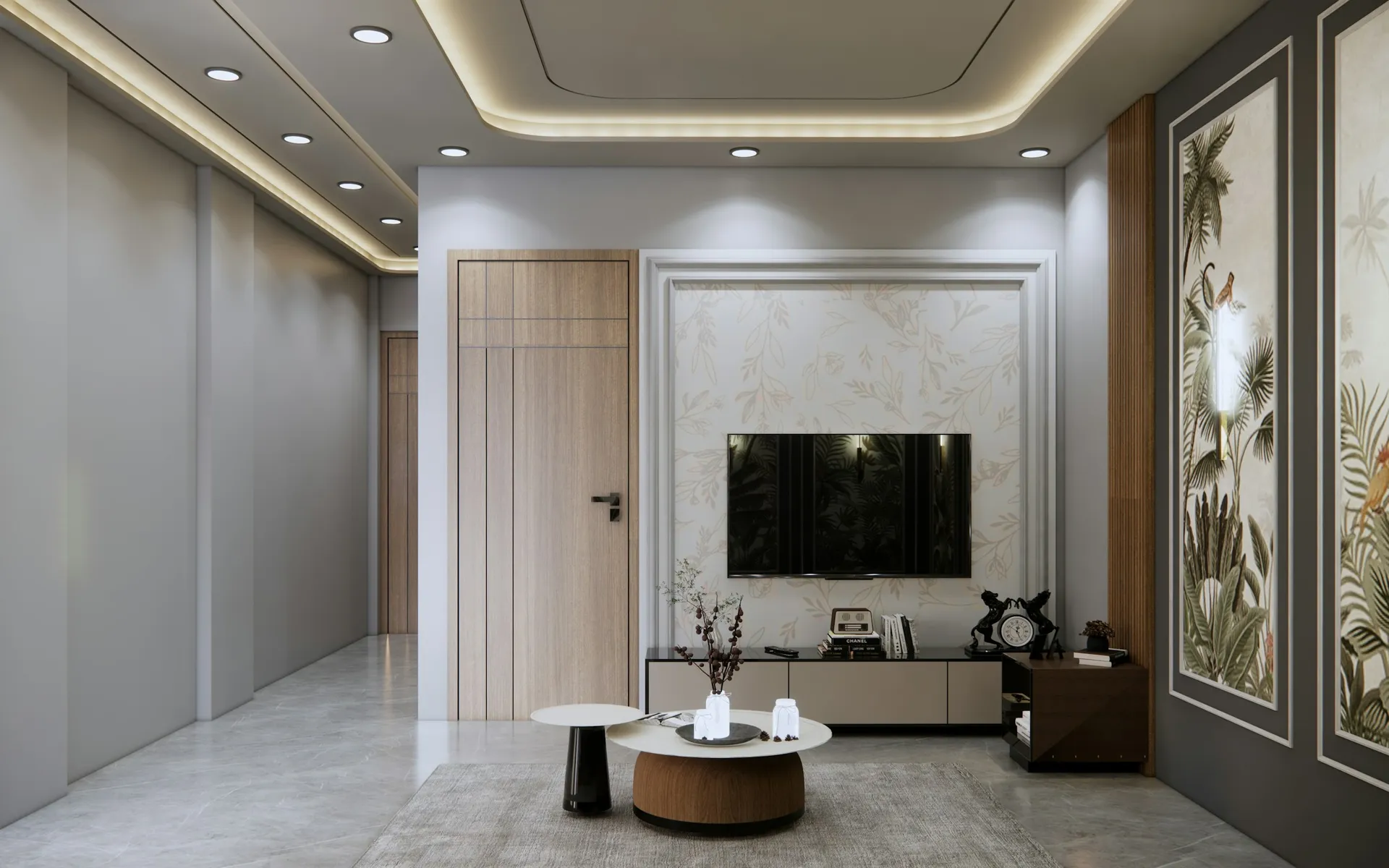
False ceilings
Most Singapore homes use painted gypsum board, either as a partial L-box or box-up to hide wiring and aircon pipes, or as a full or cove ceiling for concealed lighting. Wet areas use moisture-resistant boards or aluminium, and HDB requires non-combustible materials and at least 2.4m clearance.
Compare options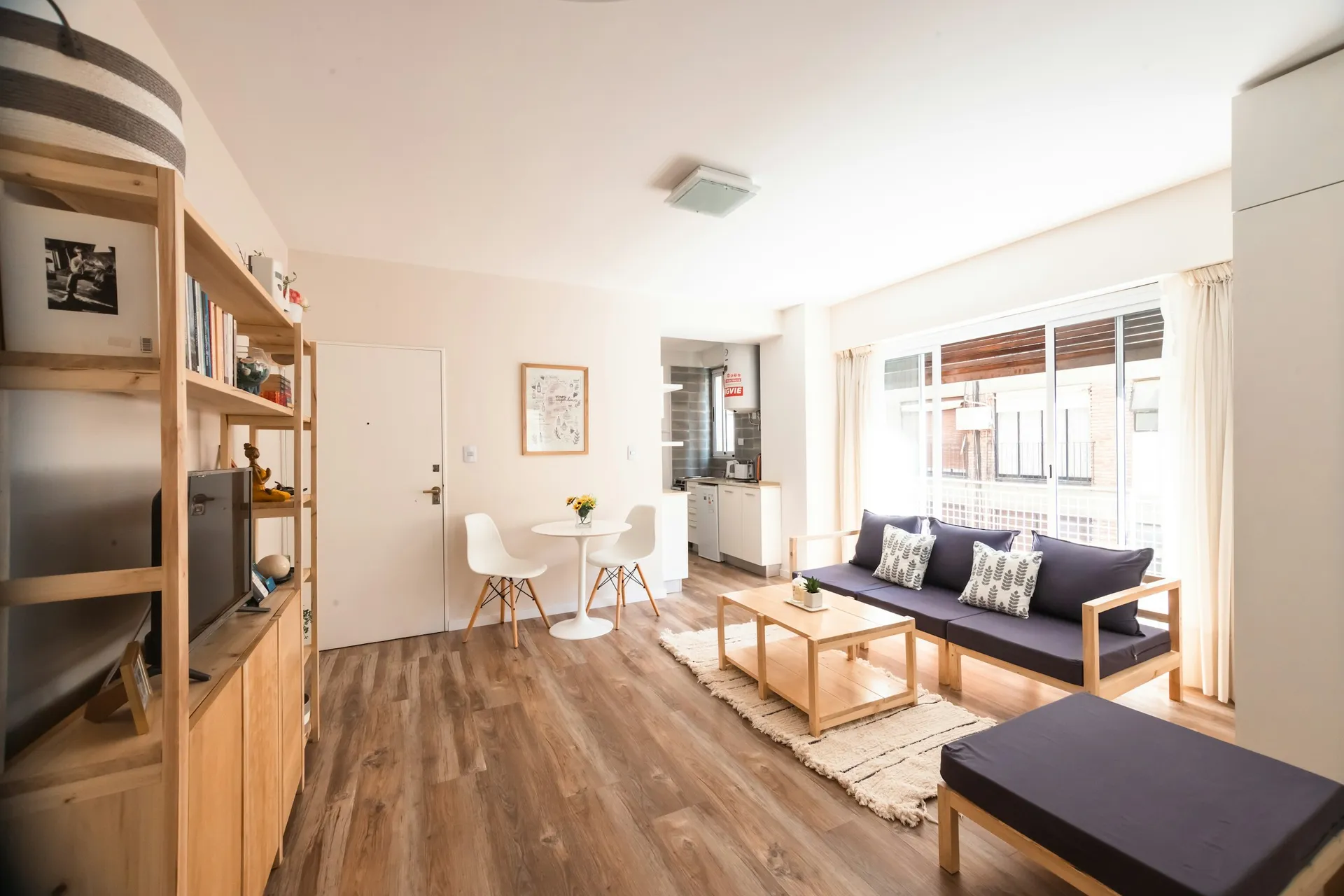
Flooring
Most Singapore homes choose between vinyl (SPC or glue-down), porcelain or homogeneous tiles, laminate and engineered wood, with marble, terrazzo, microcement and epoxy as specialist choices. Vinyl and laminate can usually go over existing tiles without hacking, while tiles and stone need hacking, an HDB permit and a bigger budget.
Compare options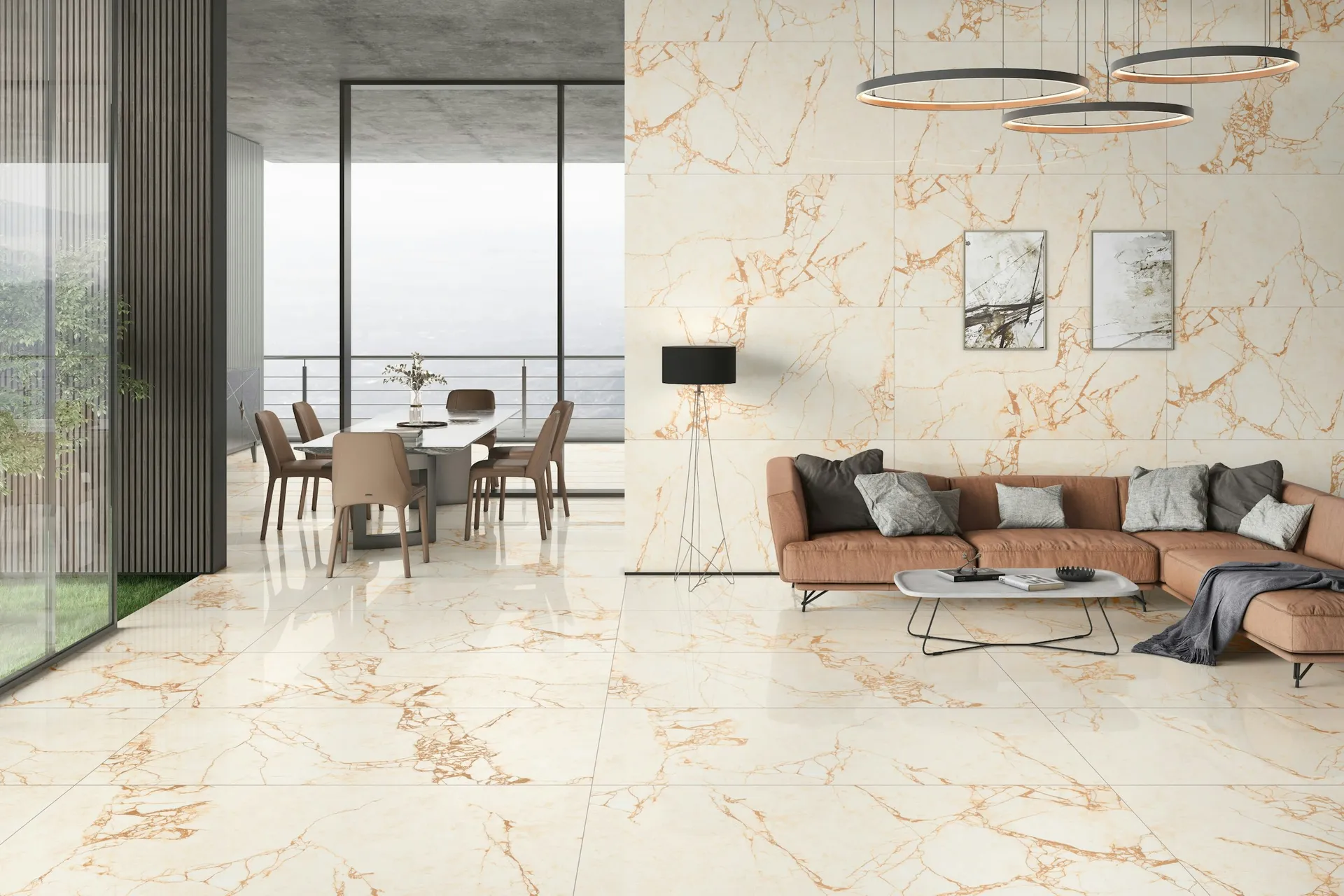
Tiles
For floors, homogeneous (full-body) porcelain and glazed porcelain tiles are the Singapore standard; ceramic suits walls, while mosaic, natural stone, terrazzo and patterned tiles are feature choices. Pick anti-slip finishes for wet areas, and remember new HDB flats cannot have bathroom tiles removed for 3 years.
Compare options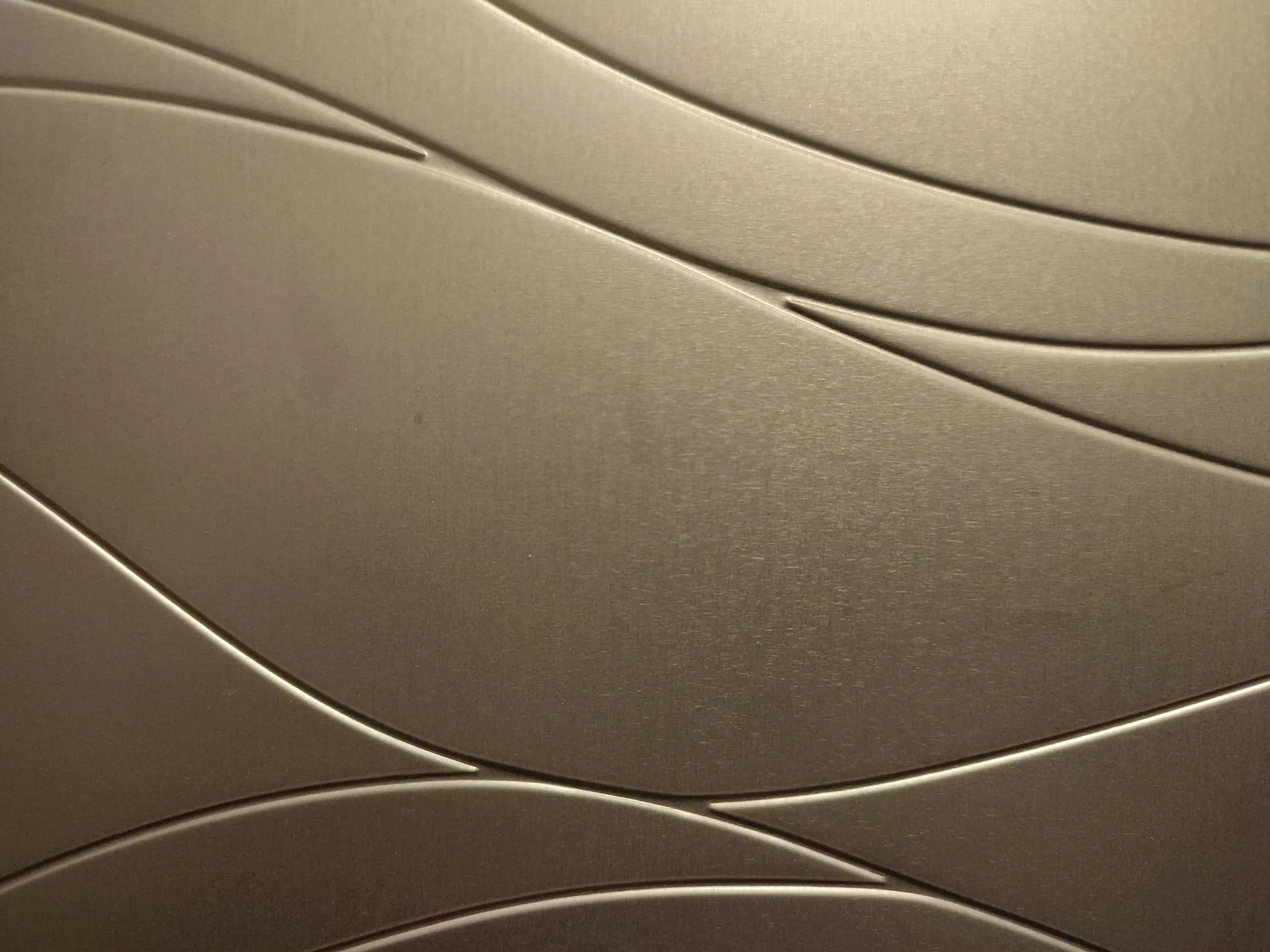
Wall finishes
Paint covers most walls in Singapore homes, with anti-mould and washable paints for kitchens, bathrooms and family areas. Feature walls use limewash, textured finishes, wallpaper, wainscoting, fluted panels, tiles, stone or microcement, each with different costs, upkeep and HDB rules.
Compare options
Kitchen
Cooker hobs and hoods
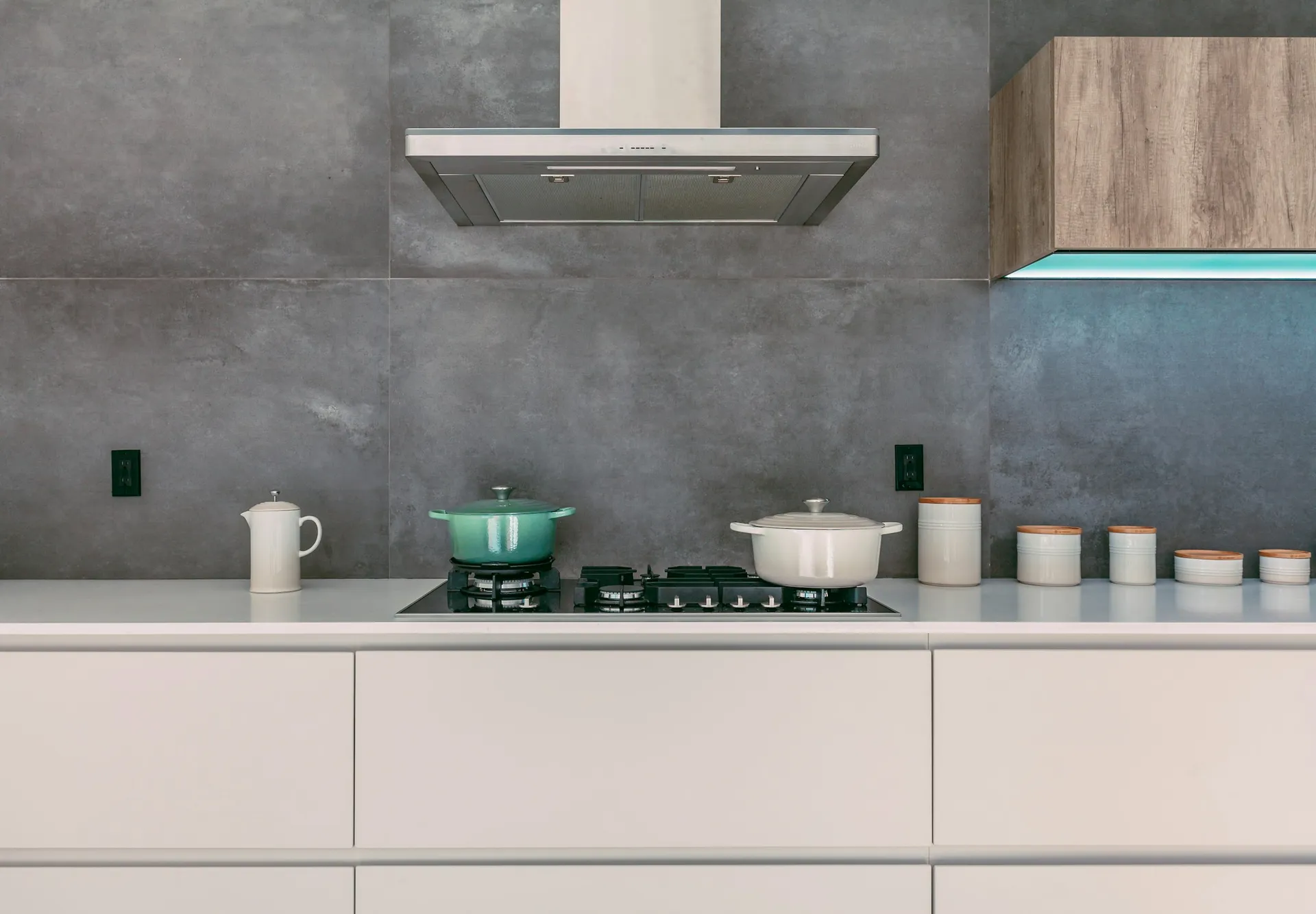
Gas hobs still suit heavy wok cooking; induction is safer, easier to clean and works without a gas supply. Pair any hob with a hood sized for your cooking, ducted outside where possible, and use licensed workers for all gas and electrical works.
Compare options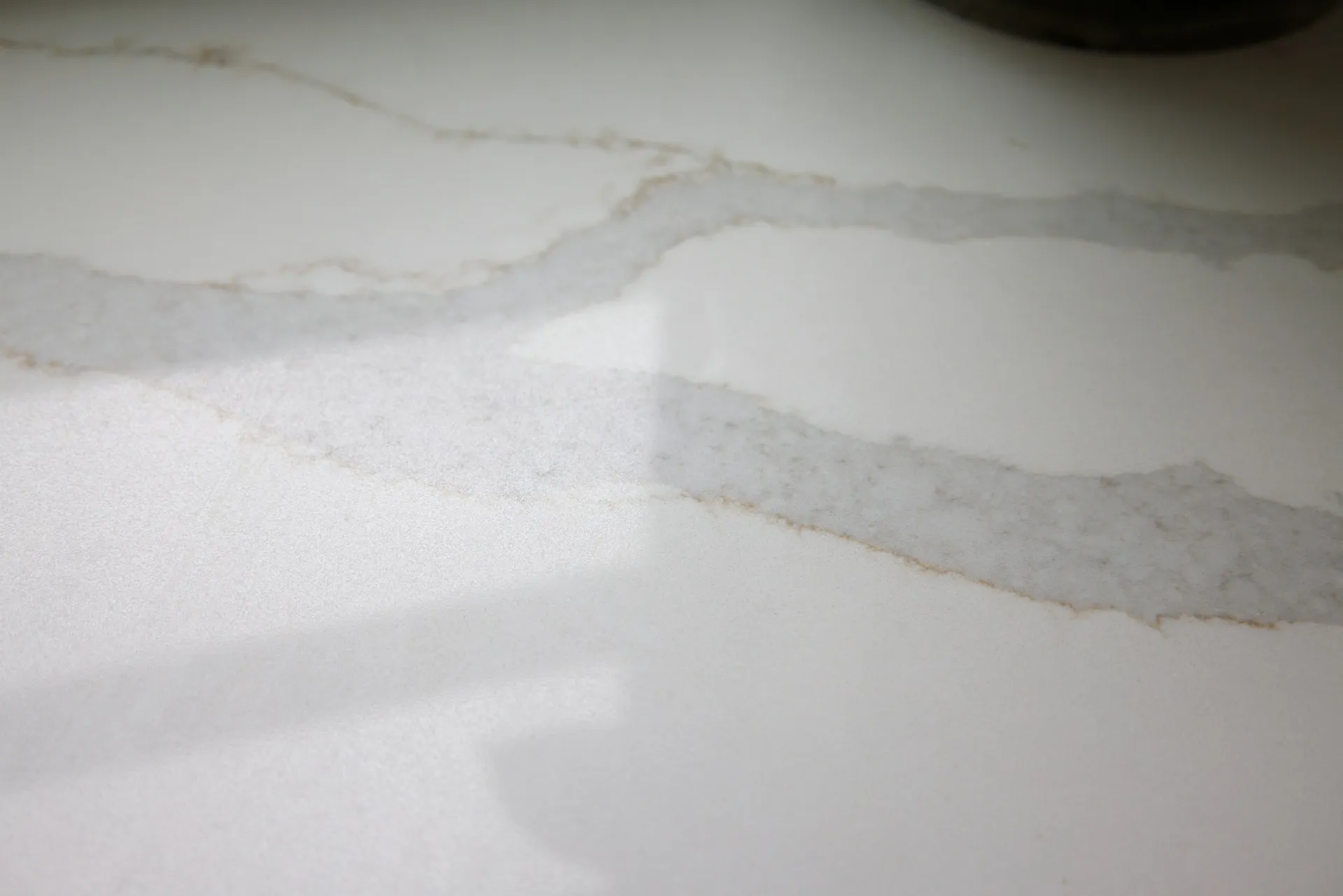
Countertops
Quartz is the default kitchen countertop in Singapore for its balance of price, looks and stain resistance; sintered stone costs more but handles heat and scratches better. Solid surface, compact laminate, granite and stainless steel each suit specific needs and budgets.
Compare options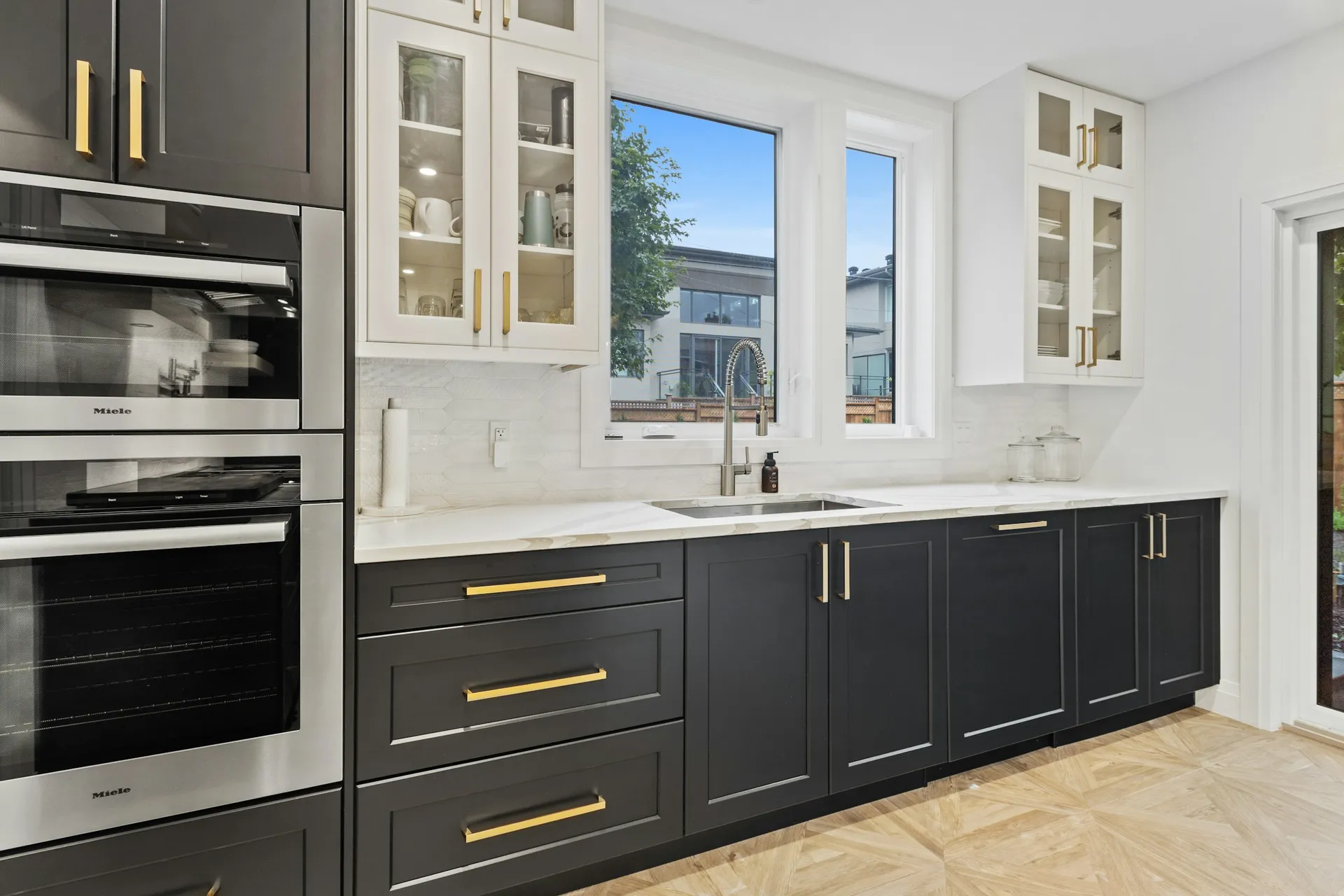
Kitchen cabinets
Most Singapore kitchens use a plywood carcass with laminate doors, which balances cost and durability. Upgrade the sink cabinet to moisture-resistant ply, PVC foam board or aluminium, and spend on hinges and runners before decorative finishes.
Compare options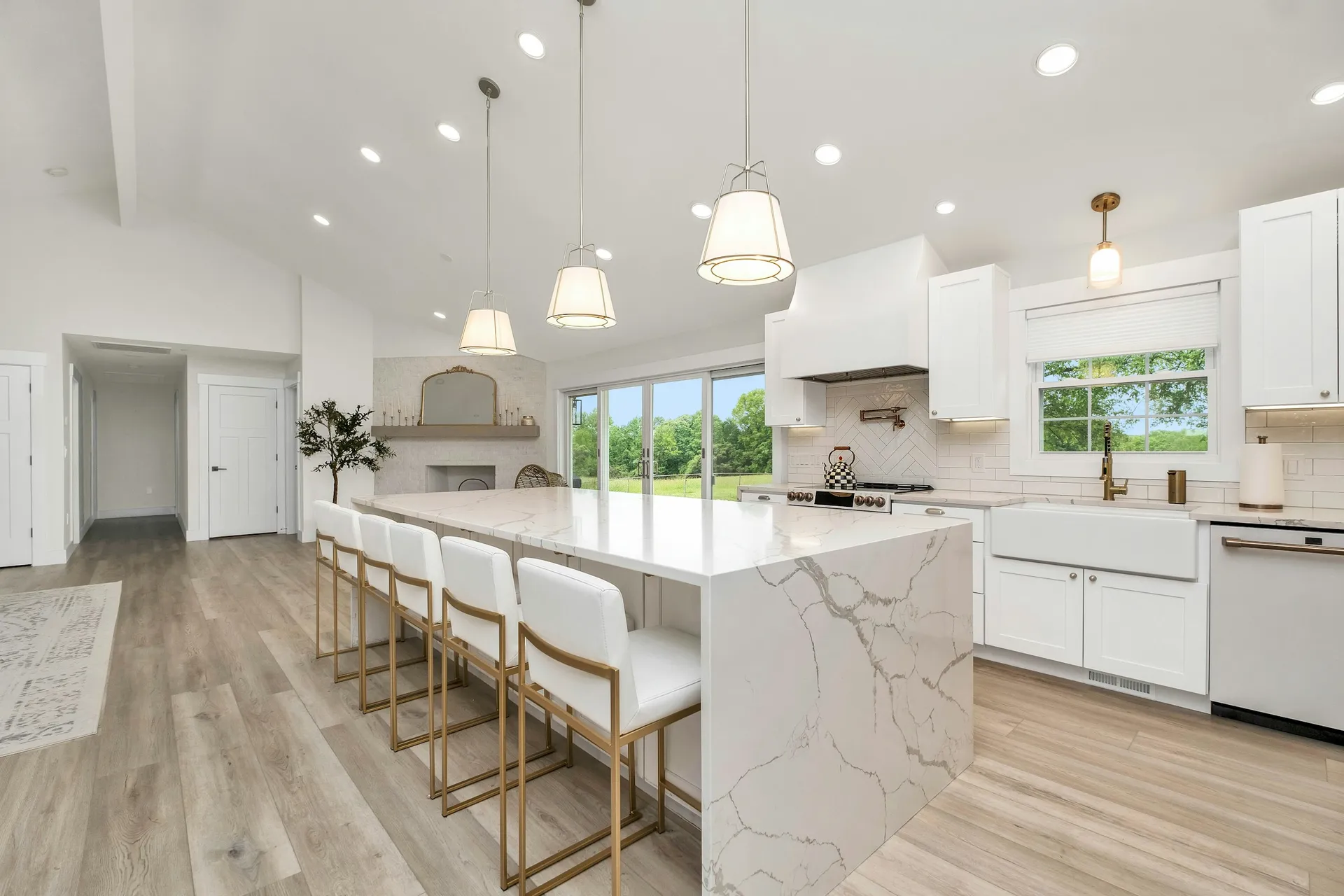
Kitchen islands
A kitchen island only works if you can keep a clear walkway of roughly 1 metre around it. In most HDB flats a peninsula, a slim island or a dining-height extension fits better than a full island with a hob or sink.
Compare options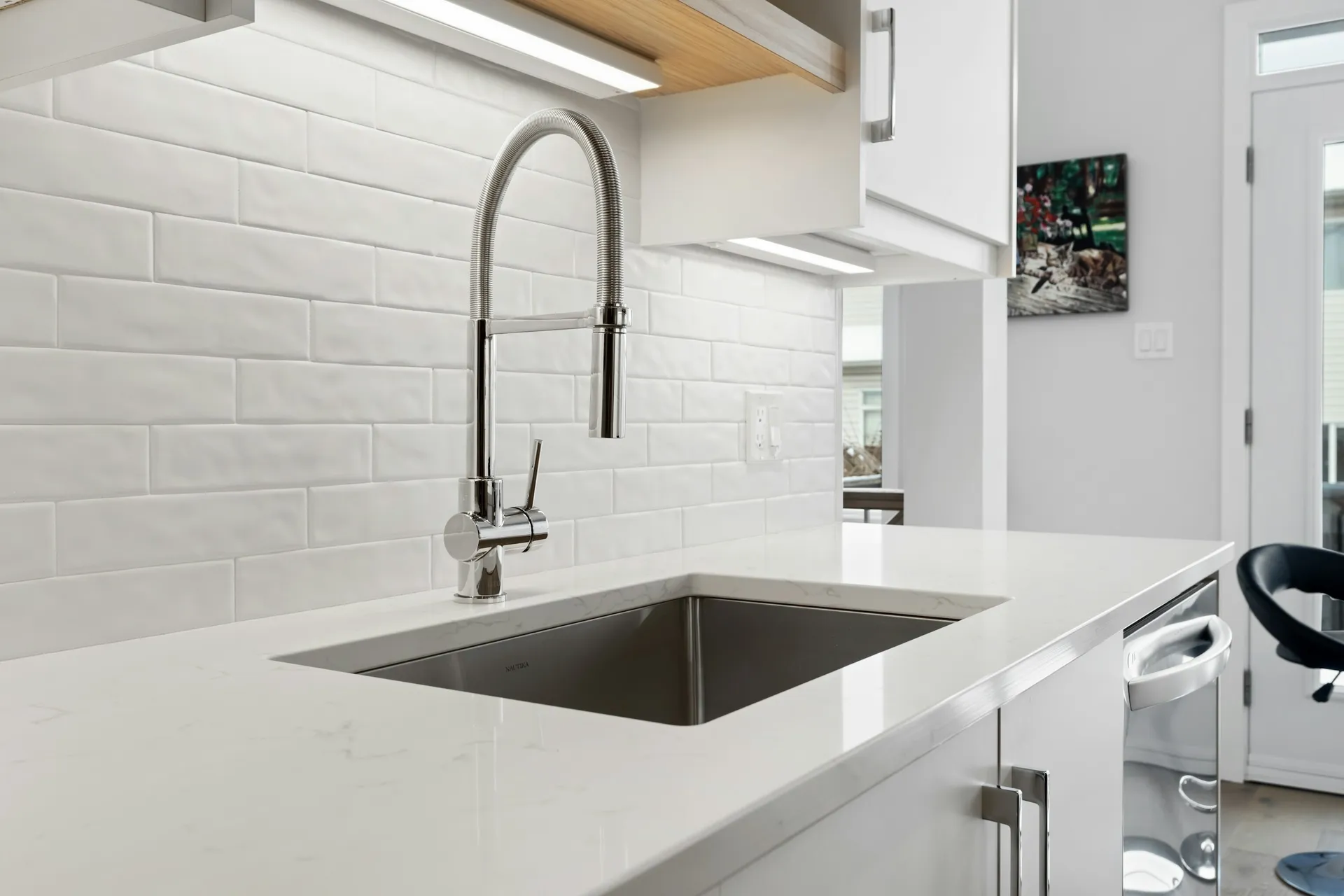
Kitchen sinks and taps
A stainless steel undermount sink with a WELS-labelled single-lever or pull-out mixer suits most Singapore kitchens. Granite composite and ceramic sinks look softer but need more care; PUB requires taps sold and installed here to be rated at least 2 ticks.
Compare options
Bathroom
Bathroom vanities
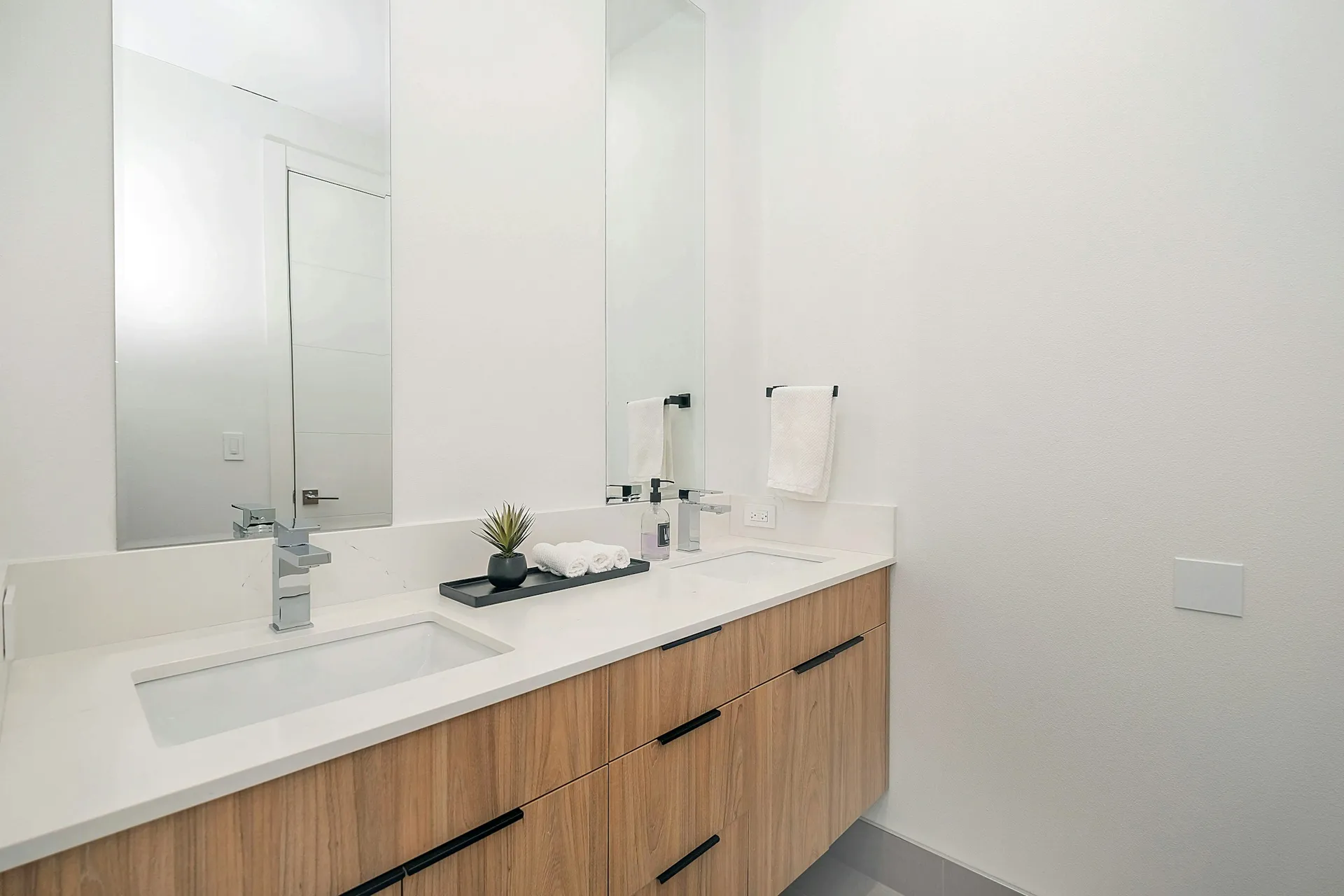
For most Singapore bathrooms, a wall-hung vanity with a water-resistant carcass (PVC foam board, aluminium or properly sealed marine plywood) and a non-porous top is the safest choice. The top and basin style matter more for daily cleaning than for looks.
Compare options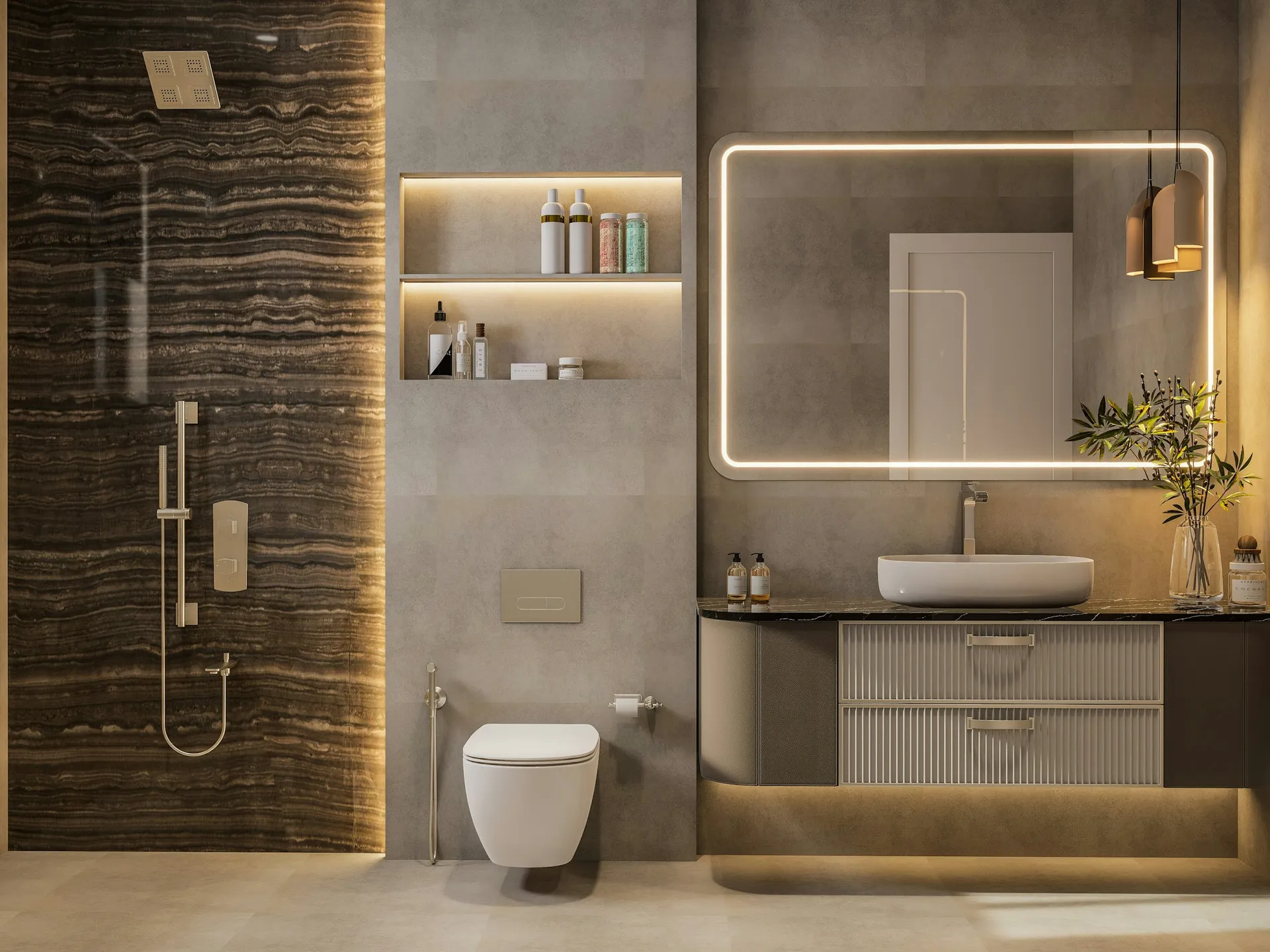
Sanitaryware
For most HDB flats, a floor-mounted toilet that matches your existing floor outlet is the simplest choice, paired with WELS-labelled taps and an energy-labelled water heater. Wall-hung toilets, concealed mixers and smart toilets look better but add cost and plumbing work.
Compare options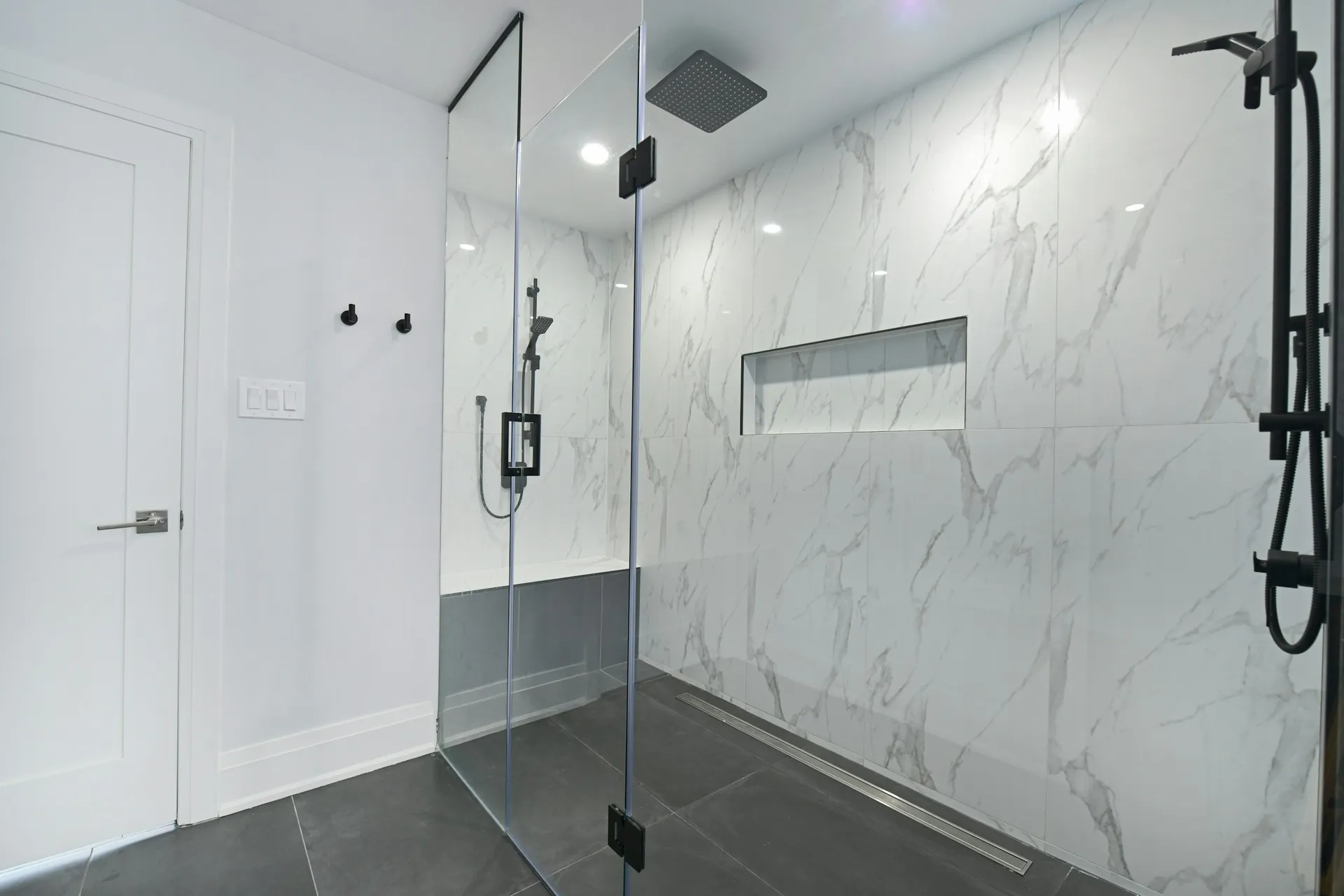
Shower screens
Most Singapore homeowners choose tempered glass, either frameless for a clean look or framed aluminium for a lower cost. The door type (swing, sliding or fixed panel) should follow your bathroom size, not the brochure.
Compare options
Carpentry & storage
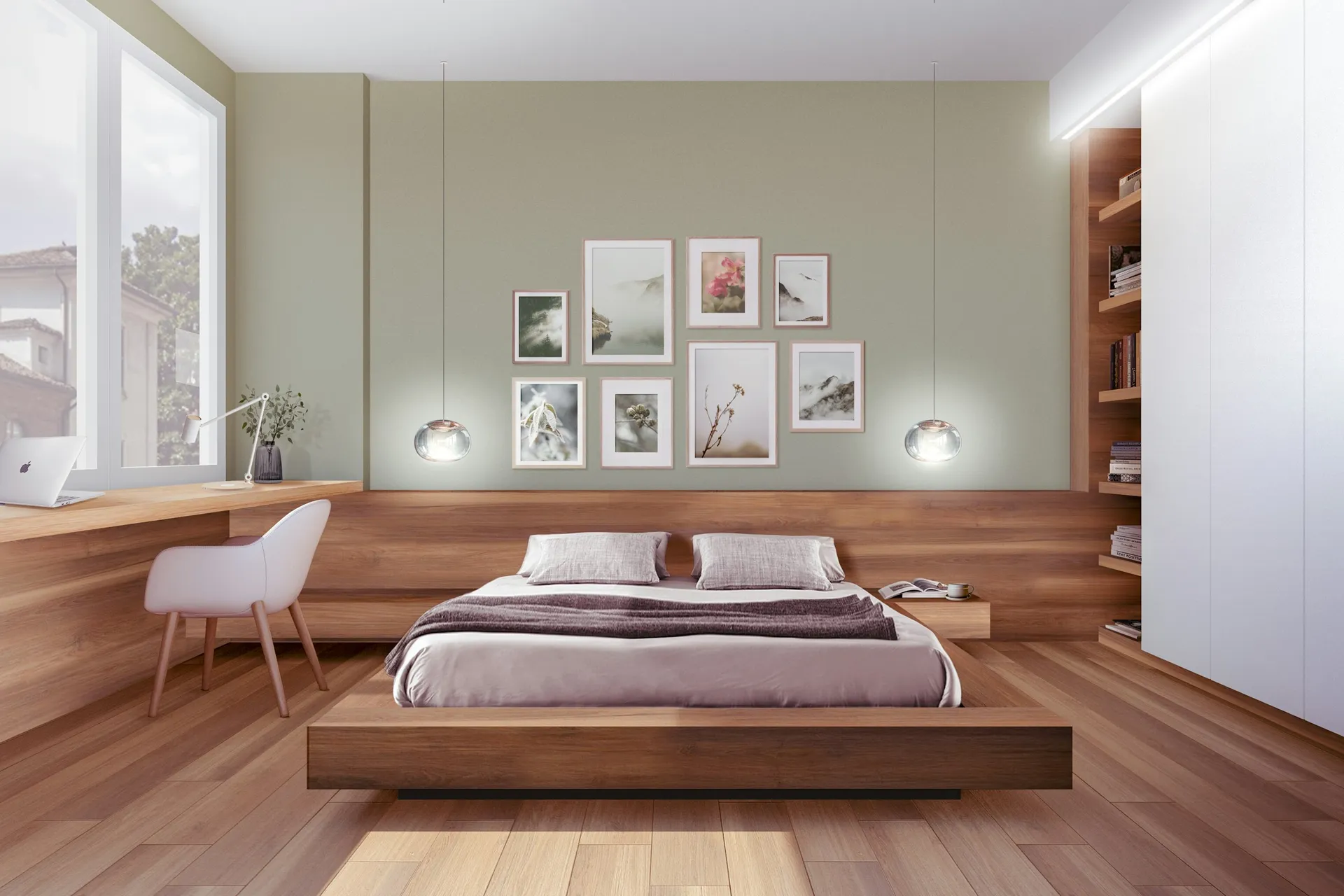
Beds and platforms
For small Singapore bedrooms, the main choice is between a built-in platform with drawers, a hydraulic lift-up storage bed, a tatami platform or a simple frame. Storage beds win on space; slatted frames win on airflow and flexibility.
Compare options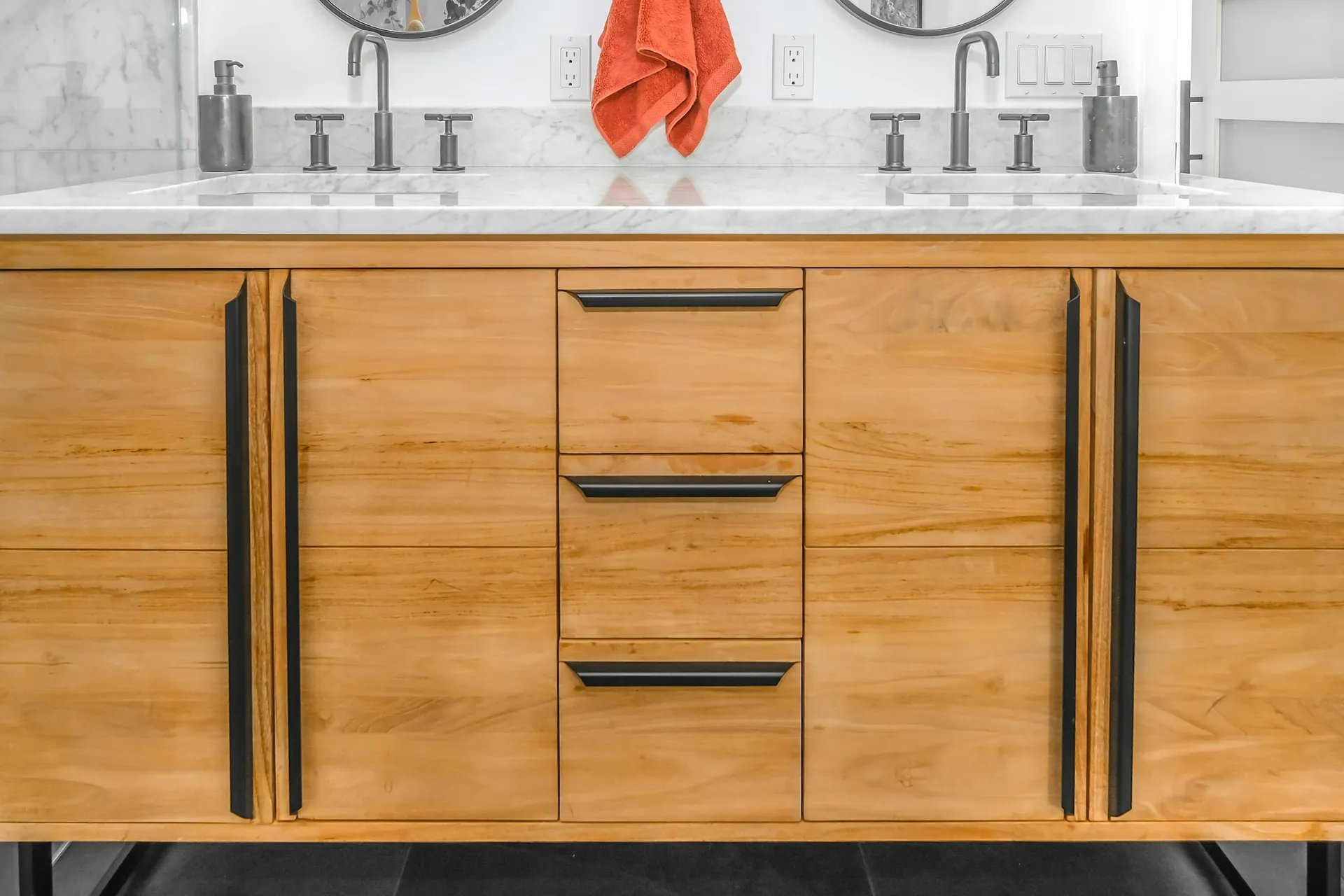
Carpentry finishes
Laminate on a plywood carcass is the default for Singapore carpentry because it is durable, affordable and easy to clean. Veneer, spray paint, acrylic and solid wood cost more and are best kept for feature pieces.
Compare options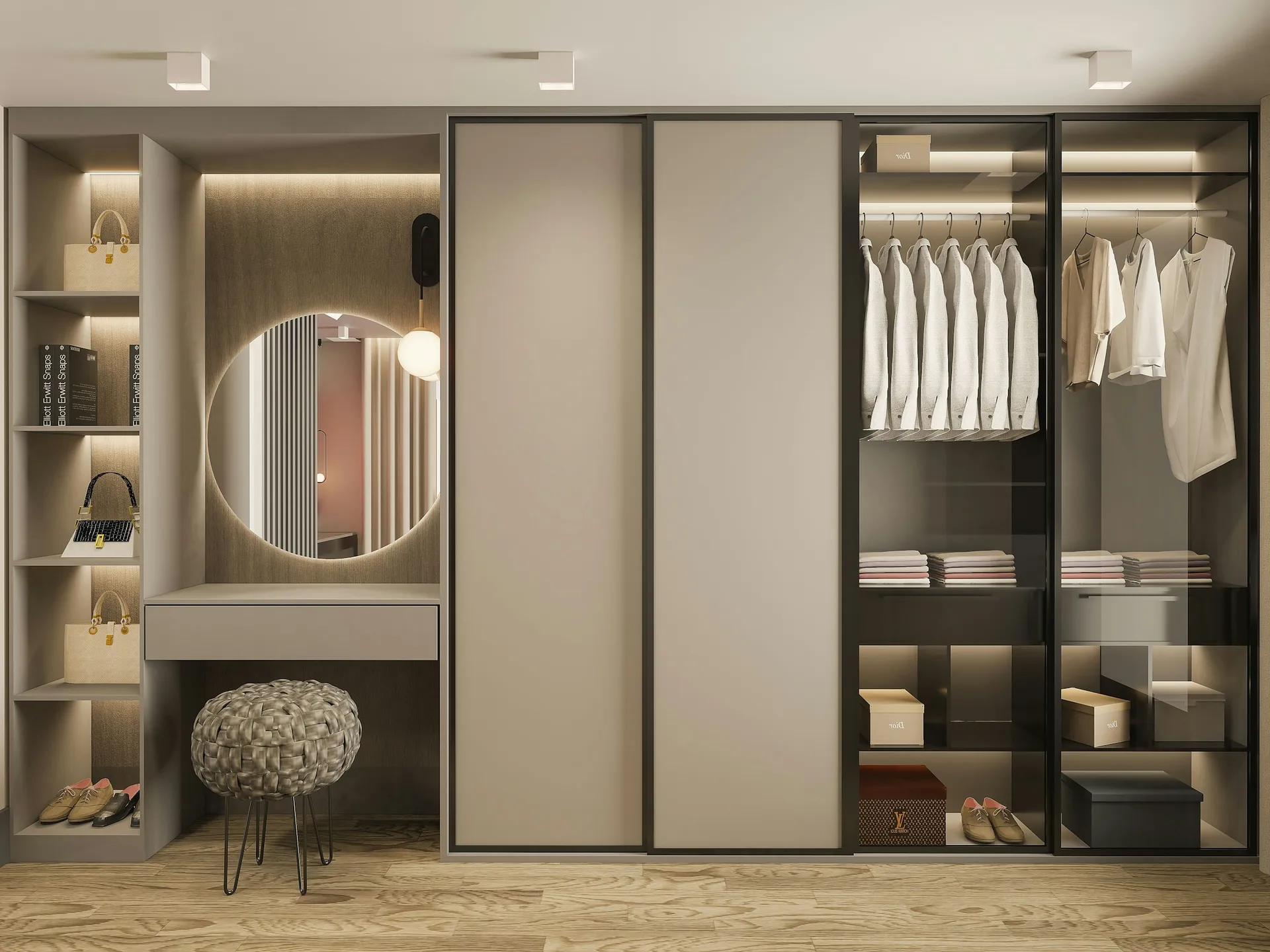
Wardrobes
Most Singapore homeowners choose between a built-in full-height wardrobe (swing or sliding doors), an aluminium-framed glass wardrobe, a freestanding unit or an open system. Built-in gives the most storage per square metre; freestanding and open systems cost less and move with you.
Compare options
Doors & windows
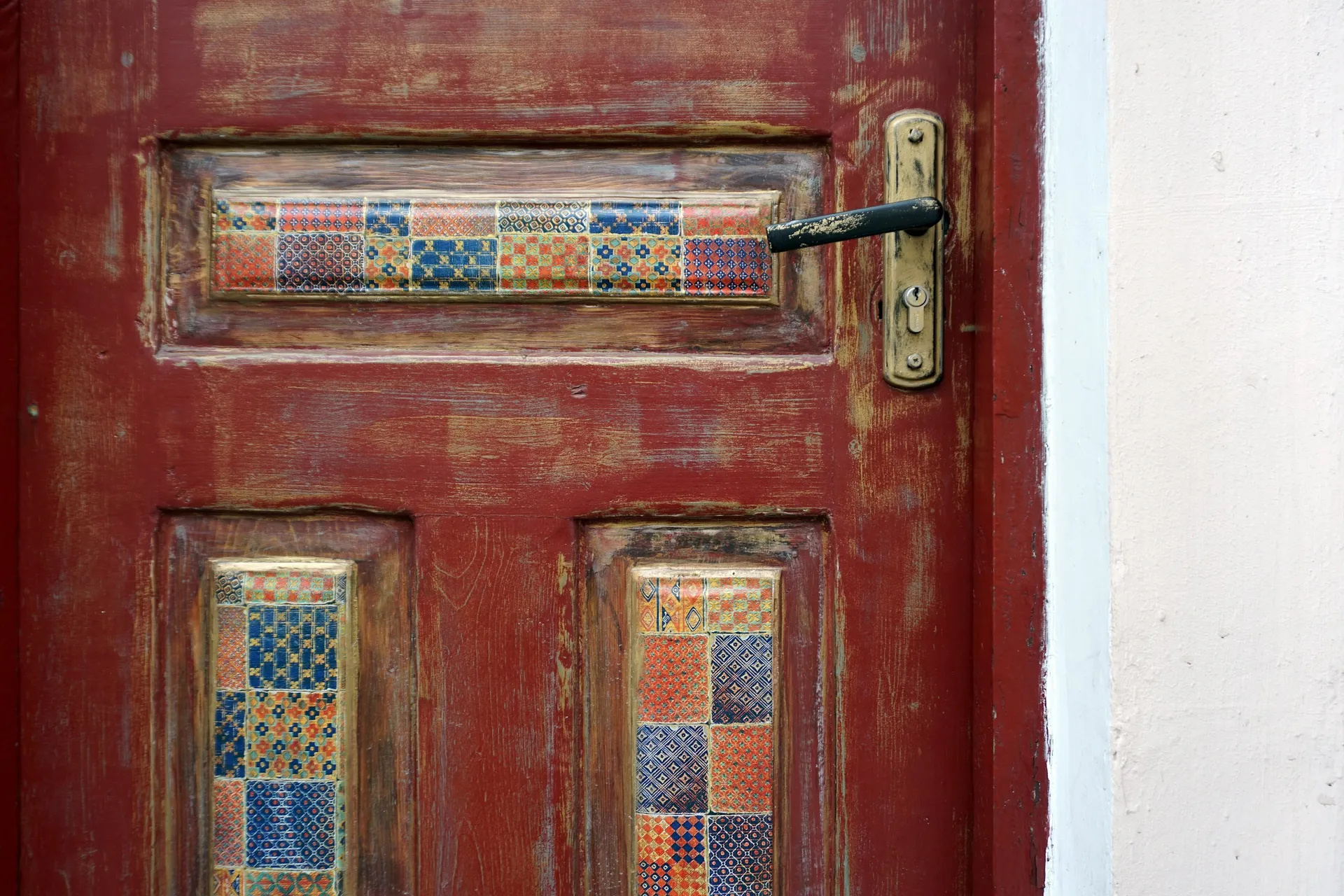
Doors and gates
For most HDB flats, a laminate-faced solid-core main door with a mild steel or aluminium gate is the practical choice. If your main door faces a staircase or lift lobby, the replacement must be half-hour fire-rated with a door closer, and any digital lock must be fire-certified.
Compare options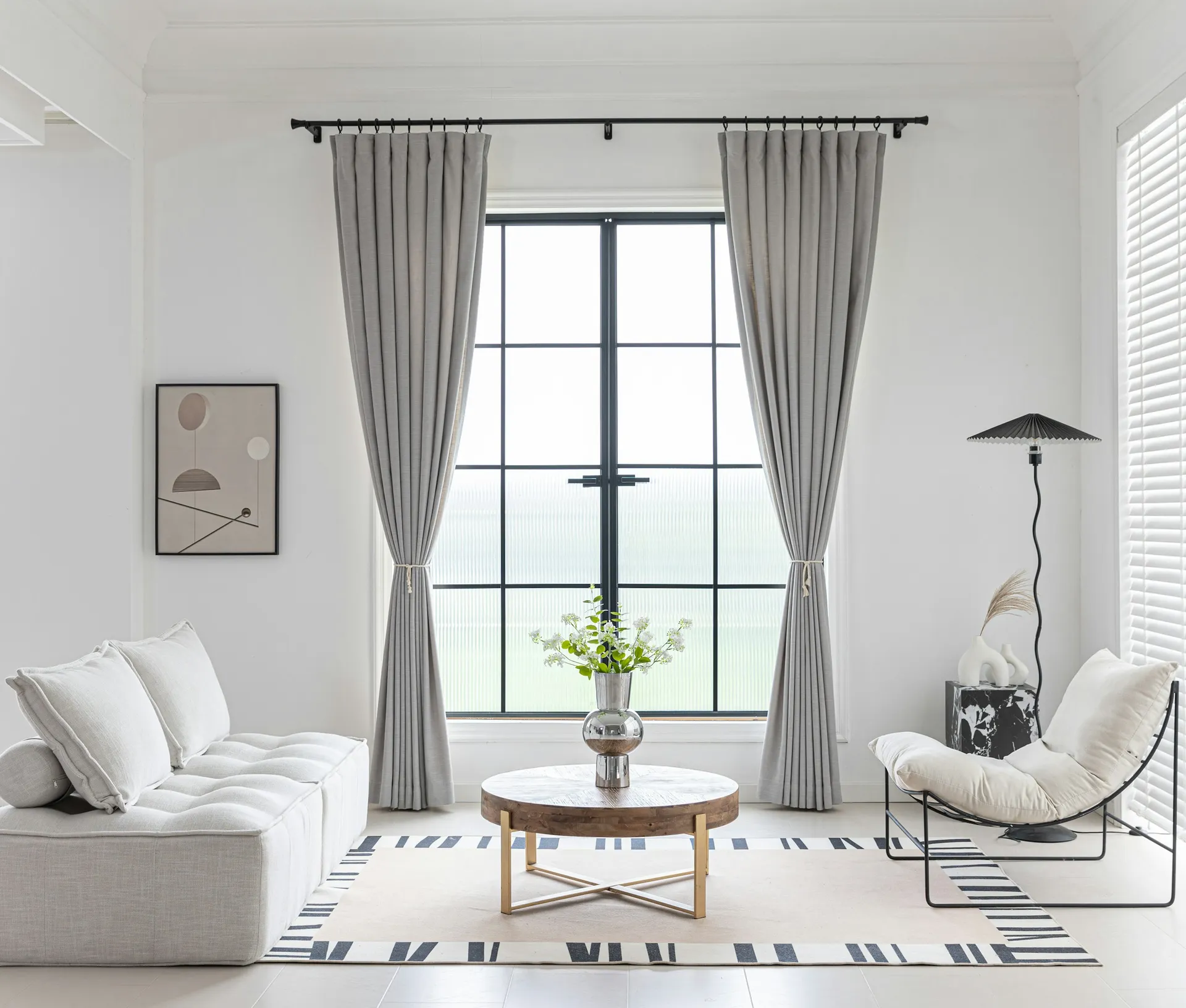
Window treatments
Most Singapore homes use day and night curtains in living rooms and bedrooms, and blinds (roller, zebra or Venetian) in kitchens, studies and bathrooms. Choose by light control, humidity and how often you will clean them.
Compare options
Furniture
Dining tables
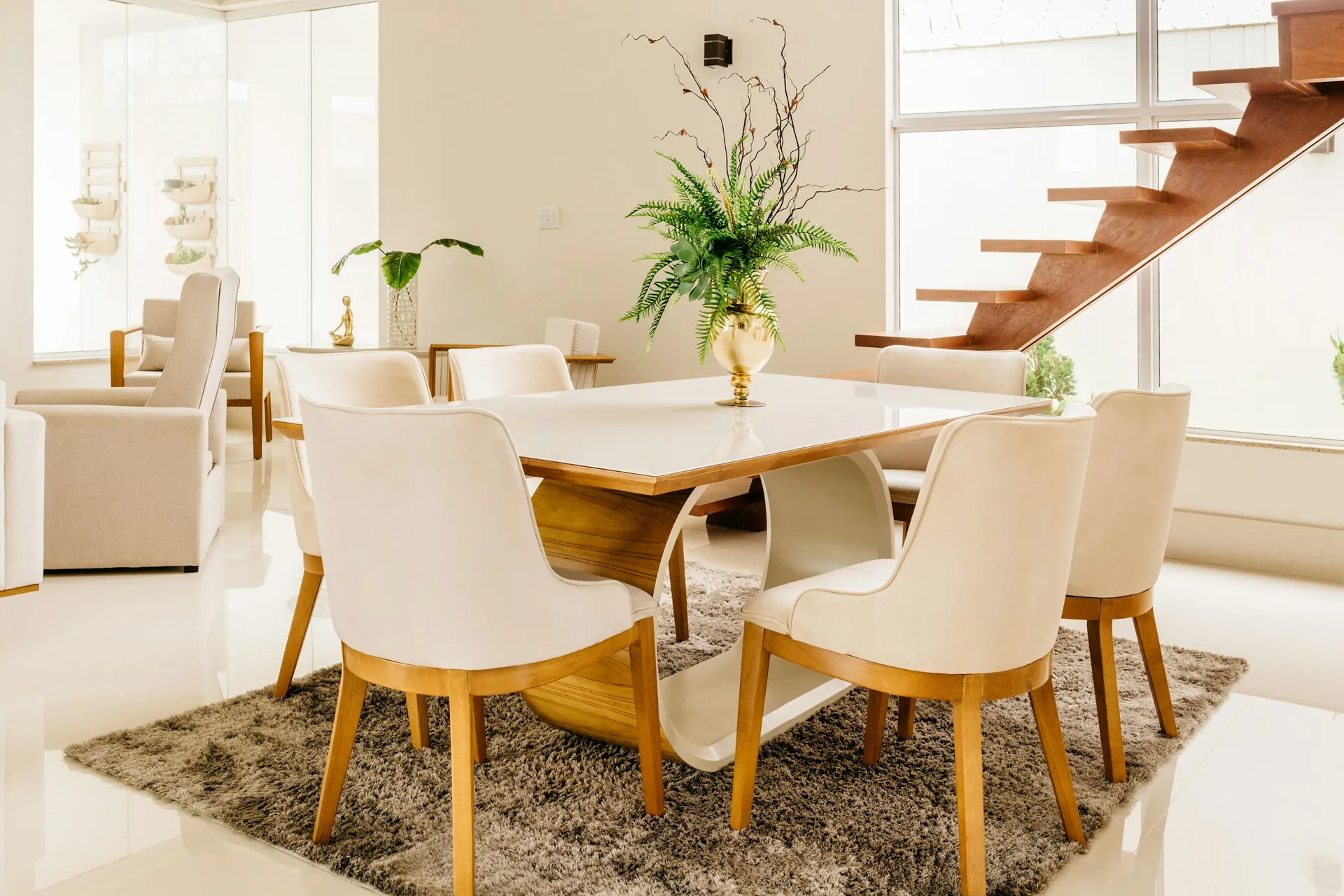
For most Singapore homes, the choice comes down to the tabletop: solid wood, veneer, laminate, sintered stone, marble, quartz, glass or terrazzo. Size it to the room first. Allow about 60 cm of table edge per diner and at least 75 cm (ideally 90 cm) of clearance behind each chair.
Compare options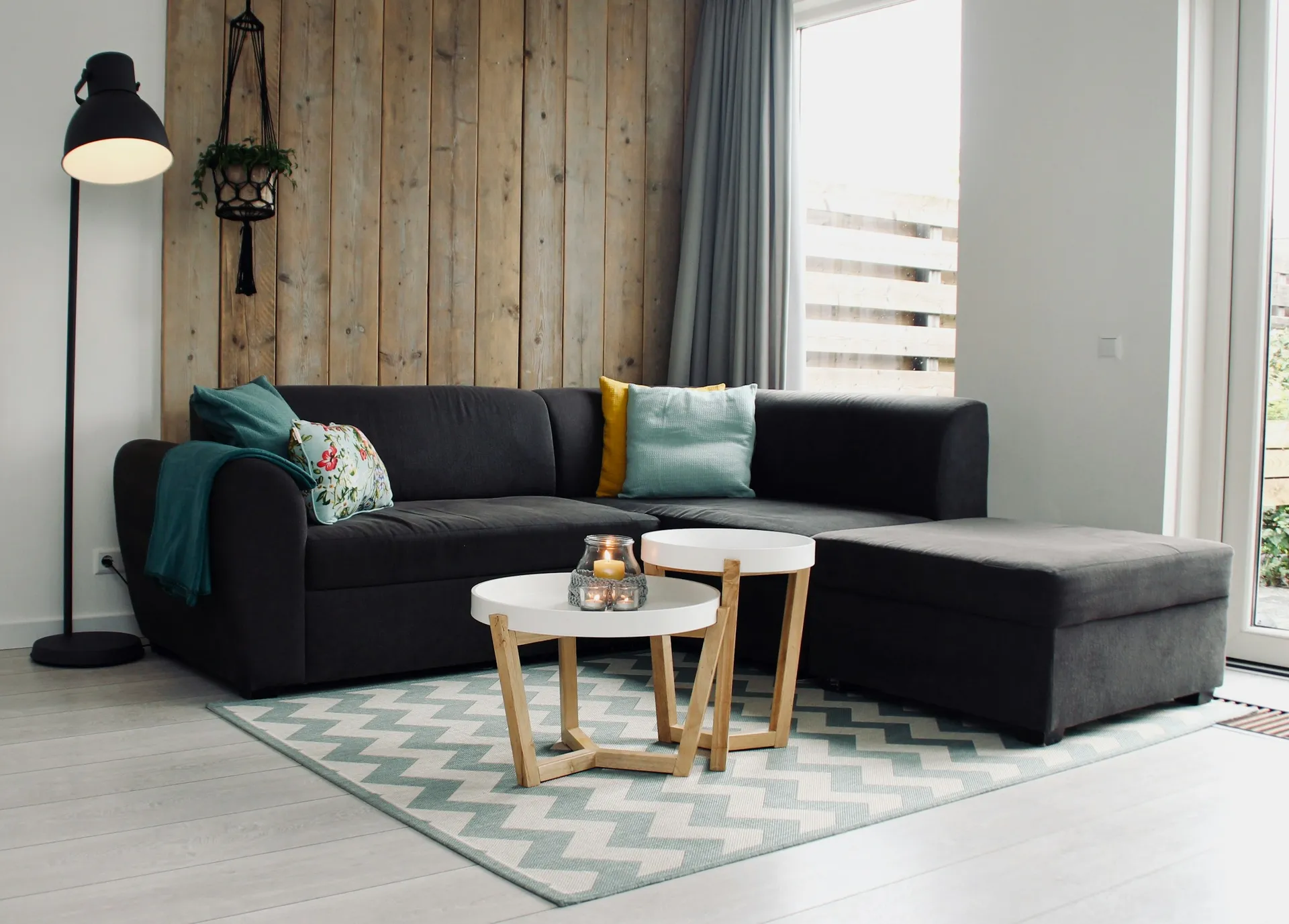
Sofas
For most Singapore homes, a tightly woven performance fabric or a top-grain leather is the safest choice in a humid climate. Avoid bonded leather and cheap PU, which tend to peel. Then check the frame, cushion fill and whether the size fits your living room and lift.
Compare options
Lighting & comfort
Aircon systems
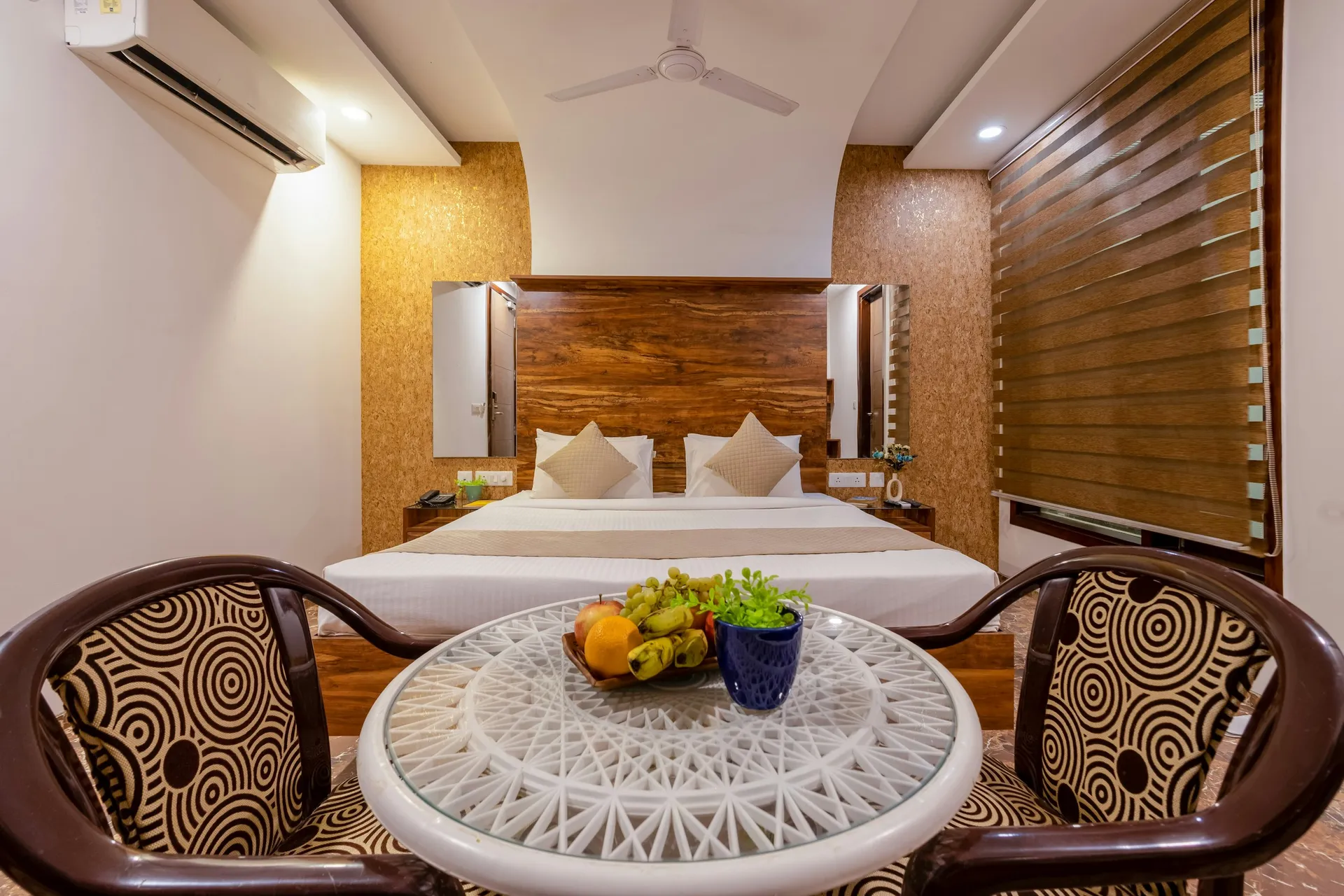
Most HDB and condo homes use wall-mounted split units, either single-split (System 1) or multi-split (System 2, 3 or 4) sharing one outdoor unit. Since April 2025, new single-split models must meet at least 4 ticks and multi-split models 5 ticks under NEA rules, and installation must follow HDB and BCA guidelines.
Compare options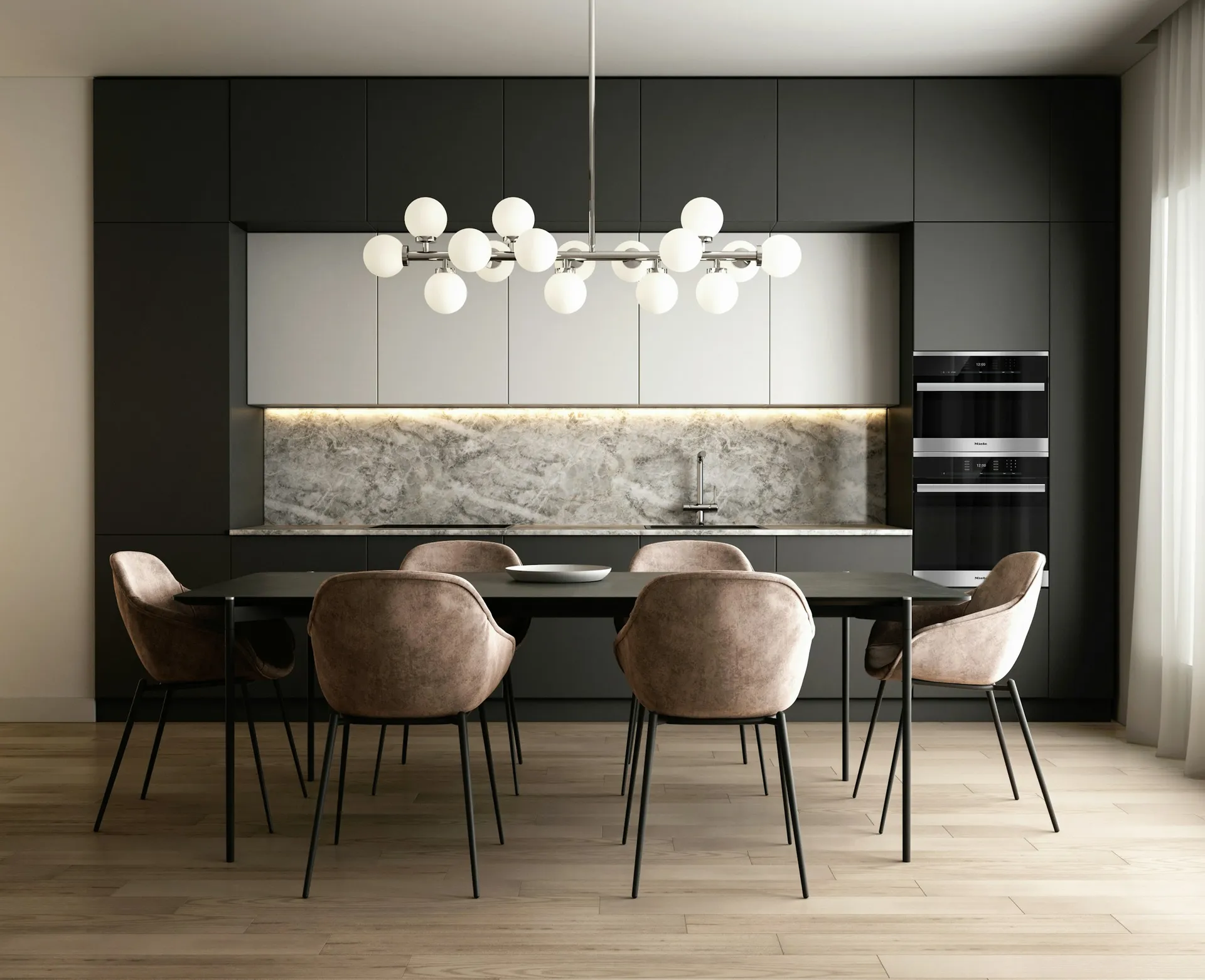
Lighting
Most Singapore homes combine downlights or track lights for general light, cove or LED strips for soft background light, and pendants or wall lights as accents. Choose warm white (about 3000K) for living and bedrooms, neutral white (about 4000K) for kitchens and work areas, and have all wiring done by an EMA licensed electrical worker.
Compare options