Design ideas
Vinyl flooring vs tiles: which should you choose for your Singapore home?
Choose vinyl when you want to cover sound existing tiles quickly and cheaply without hacking, mainly in bedrooms and living areas. Choose tiles for wet areas, for a floor meant to last decades, or when the old floor is being hacked anyway.
 Rayden Nyoe5 min read
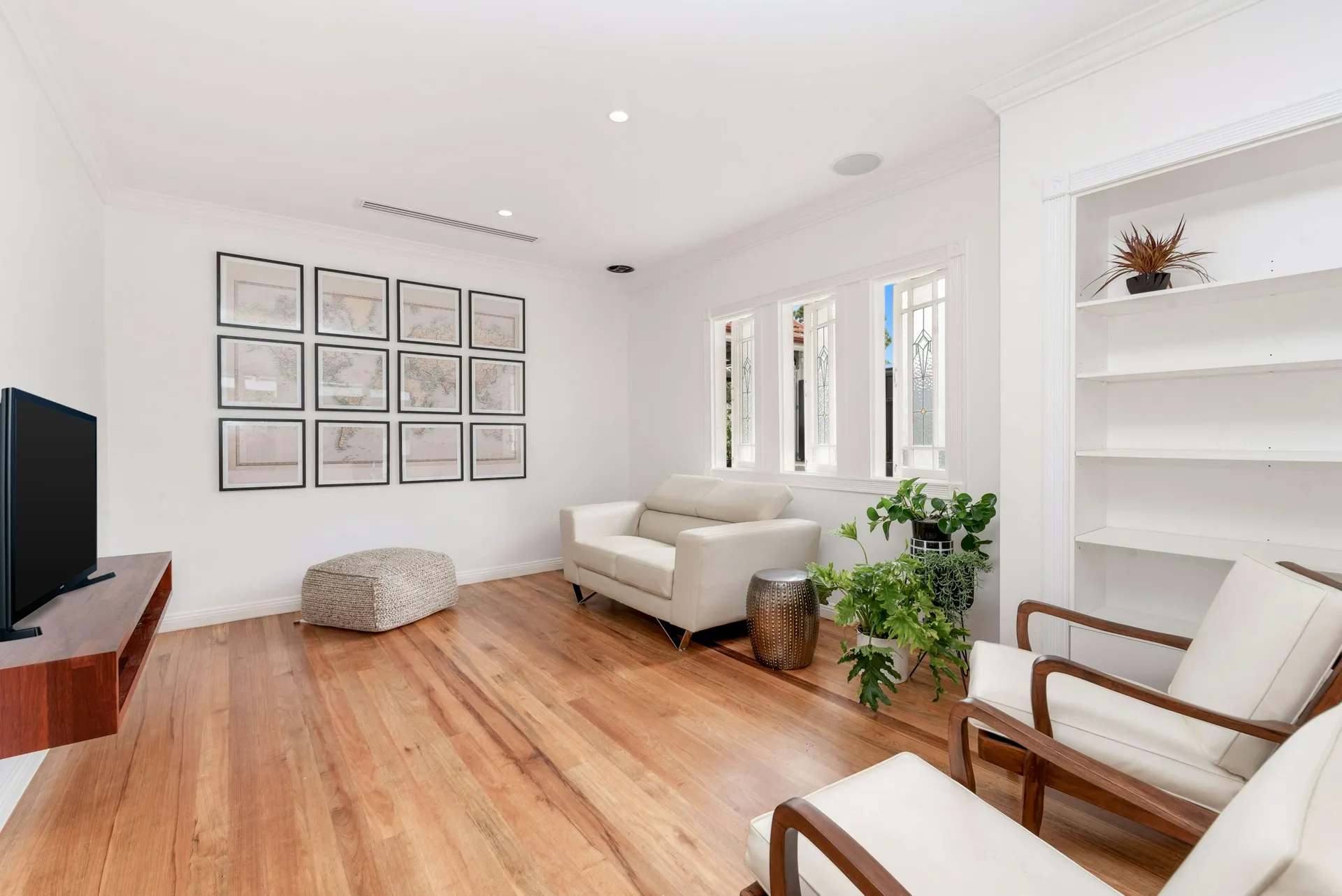
Short answer: pick vinyl (usually SPC vinyl) when you want to cover existing tiles in bedrooms and the living room quickly, at lower cost and without hacking. Pick tiles for bathrooms, the kitchen and the service yard, for a floor you want to last decades, or when the old floor has to come up anyway. Many Singapore homes end up with both: vinyl in the dry rooms, tiles in the wet ones.
This post is about the decision itself. For every flooring and tile type in detail, see our flooring guide and tiles guide.
Vinyl vs tiles at a glance
- Installed cost: SmartCalculator's 2026 market estimates put vinyl or SPC at about $4 to $10 per sq ft installed, and ceramic or porcelain tiles at about $10 to $22 per sq ft. Qanvast (2025) quotes material-only prices of about $4 to $8 per sq ft for vinyl and $5 to $35 per sq ft for tiles, plus installation of roughly $1 to $4 per sq ft for vinyl and $4 to $6 per sq ft for tiles.
- Lifespan: SmartCalculator estimates 15 to 25 years for vinyl or SPC, and 25 to 50 years for ceramic or porcelain tiles.
- Water and heat: both surfaces handle spills, but Qanvast notes vinyl can warp under high heat and moisture, especially if badly installed. Porcelain resists both heat and moisture, which is why it stays the default in bathrooms and kitchens.
- Wear: Qanvast describes porcelain as significantly more durable than ceramic and vinyl, resistant to scratches and not prone to discolouring. Vinyl can discolour once its protective wear layer wears off.
- Feel: vinyl is softer and warmer underfoot. Tiles feel cool, which many people appreciate in our climate.
- Installation: vinyl usually goes straight over existing tiles. New tiles normally mean hacking, disposal and fresh screed.
What HDB allows for each
HDB's renovation guidelines treat the two very differently:
- Vinyl, carpet or linoleum: no permit required.
- Replacing floor finishes (ceramic, homogeneous, terrazzo, marble, timber and other tiles): permit required. The total thickness of floor finishes and screed must not exceed 50mm, pre-packed screed must be used for dry areas, bathrooms need pre-packed waterproofing screed and a membrane upturned at least 150mm, and gas pipes must not be embedded in the floor screed or finishes.
- Laying a new finish over an existing one with adhesive only: no permit, but there should be only one existing layer of floor finish, the new layer including adhesive must not exceed 13mm, the floor trap must not be tampered with, and the work must not cause water to flow back or seep into the bedroom.
- New flats: there is a 3-year restriction on removing wall and floor finishes in bathrooms and toilets.
Hacking and tile cutting also count as noisy works, which MND limits to 9am to 5pm on weekdays, excluding public holidays. If you are unsure what needs a permit, our HDB renovation permit guide walks through the process.
When vinyl is the better choice
- BTO bedrooms and living rooms. The existing tiles are new and sound, so laying vinyl over them is the fastest way to a warmer, wood-look floor.
- Resale flats with dated but intact tiles. Vinyl hides old tiles without hacking. Ask your contractor to check for hollow or loose tiles and an uneven floor first, because vinyl shows what is underneath.
- Tight timelines or budgets. Less labour, no hacking and less dust.
- A timber look without timber. With mean relative humidity around 82% according to the Meteorological Service Singapore, many homeowners prefer a wood-look vinyl to real timber that moves with moisture.
Watch for: an earlier overlay already on the floor (HDB allows only one existing layer under an adhesive overlay), heavy furniture that can dent softer vinyl, strong afternoon sun, and standing water at the edges. Wipe spills up rather than flooding the floor when you mop.
When tiles are the better choice
- Wet areas. Bathrooms, kitchens, service yards and open balconies. Tiles laid on proper waterproofing are still the most reliable answer.
- A forever home. If you plan to stay 20 years or more, tiles' longer lifespan can outweigh the higher upfront cost.
- Heavy wear. Homes with large dogs, rolling chairs or lots of foot traffic benefit from porcelain's scratch resistance.
- When you are hacking anyway. If a resale floor is damaged, uneven or already has an overlay, the extra cost of tiling over vinyl is smaller than it looks.
- Fewer joints. Qanvast notes that large-format tiles reduce visible grout lines, which helps both the look and cleaning.
The hidden costs that change the maths
The price per square foot is only part of the bill. SmartCalculator estimates hacking and disposal at about $3 to $8 per sq ft and re-screeding at about $1 to $3 per sq ft when an old floor is removed.
A worked example using those estimates for about 600 sq ft of bedrooms and living area:
- Vinyl over existing tiles: about $2,400 to $6,000.
- New tiles: about $6,000 to $13,200, plus about $2,400 to $6,600 for hacking and screeding.
These are simple multiplications of published estimates, not quotes. Also ask about:
- Door trimming. A new layer raises the floor, so doors may need to be shortened.
- Transitions. Where vinyl meets tiles at the kitchen or bathroom, you need a neat profile or threshold.
- Skirting. Will the old skirting stay, or will new skirting be fitted?
- Moving furniture. In an occupied home, someone has to clear each room.
A simple way to decide
- Mark the wet rooms first. Bathrooms, kitchen and yard usually stay tiled.
- Check the existing floor. If the tiles are sound and level and there is no earlier overlay, vinyl over them is the easy route.
- Decide how long you will stay. Short to medium term favours vinyl; long term favours tiles.
- Price the hacking honestly. If the floor must come up anyway, compare tiles and vinyl on the full cost.
- Think about feel and look. Warm and soft underfoot, or cool and hard-wearing? Both work with most styles, from Scandinavian to modern.
Flooring is one of the bigger lines in most budgets. For context, see our BTO renovation cost guide and resale HDB renovation cost guide.
How JIAHOME helps
We design your home first for a fixed fee, then give you a quotation listing every item, including the flooring scope room by room, without prices. Any contractor can price the same scope, so you can compare vinyl and tiles like for like. See our services or book a free consultation via contact us.
FAQ
Frequently asked questions
Do I need an HDB permit to lay vinyl flooring?
No. HDB lists laying vinyl, carpet or linoleum as work that does not need a permit. Replacing tiles or other hard floor finishes does need a permit.
Can vinyl be laid over existing tiles in an HDB flat?
Usually yes. For overlays laid with adhesive only, HDB says there should be only one existing layer of floor finish and the new layer, including adhesive, must not exceed 13mm.
Is vinyl cheaper than tiles?
Generally yes. SmartCalculator's 2026 estimates put installed vinyl or SPC at about $4 to $10 per sq ft against about $10 to $22 for ceramic or porcelain tiles, before any hacking costs.
Can I use vinyl flooring in the bathroom?
It is not the usual choice. Tiles laid on proper waterproofing are the standard for bathrooms, and Qanvast notes vinyl can warp with high heat and moisture. Keep vinyl to dry rooms.
How long does vinyl flooring last compared with tiles?
SmartCalculator estimates 15 to 25 years for vinyl or SPC and 25 to 50 years for ceramic or porcelain tiles. Actual lifespan depends on product quality, installation and wear.