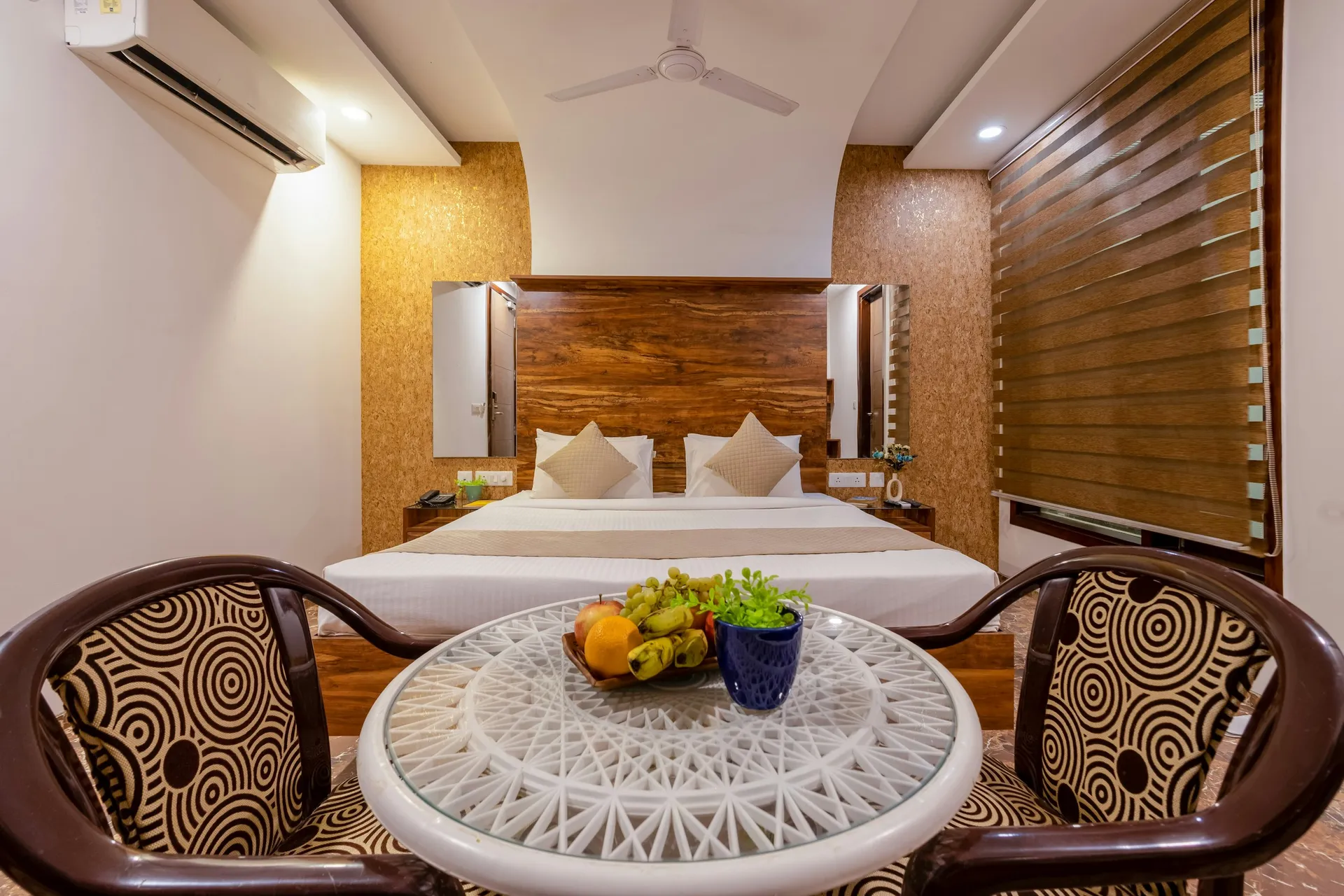
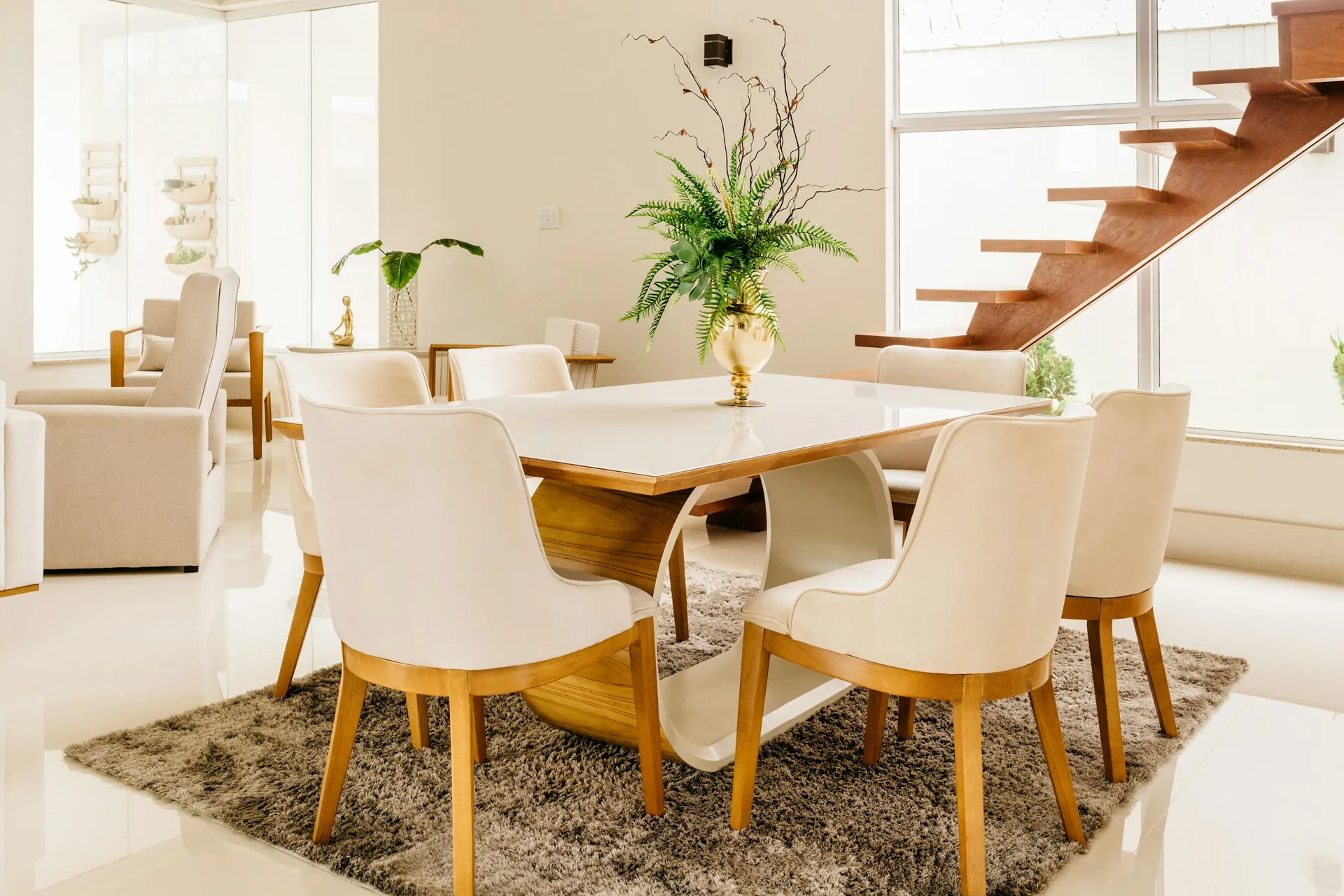
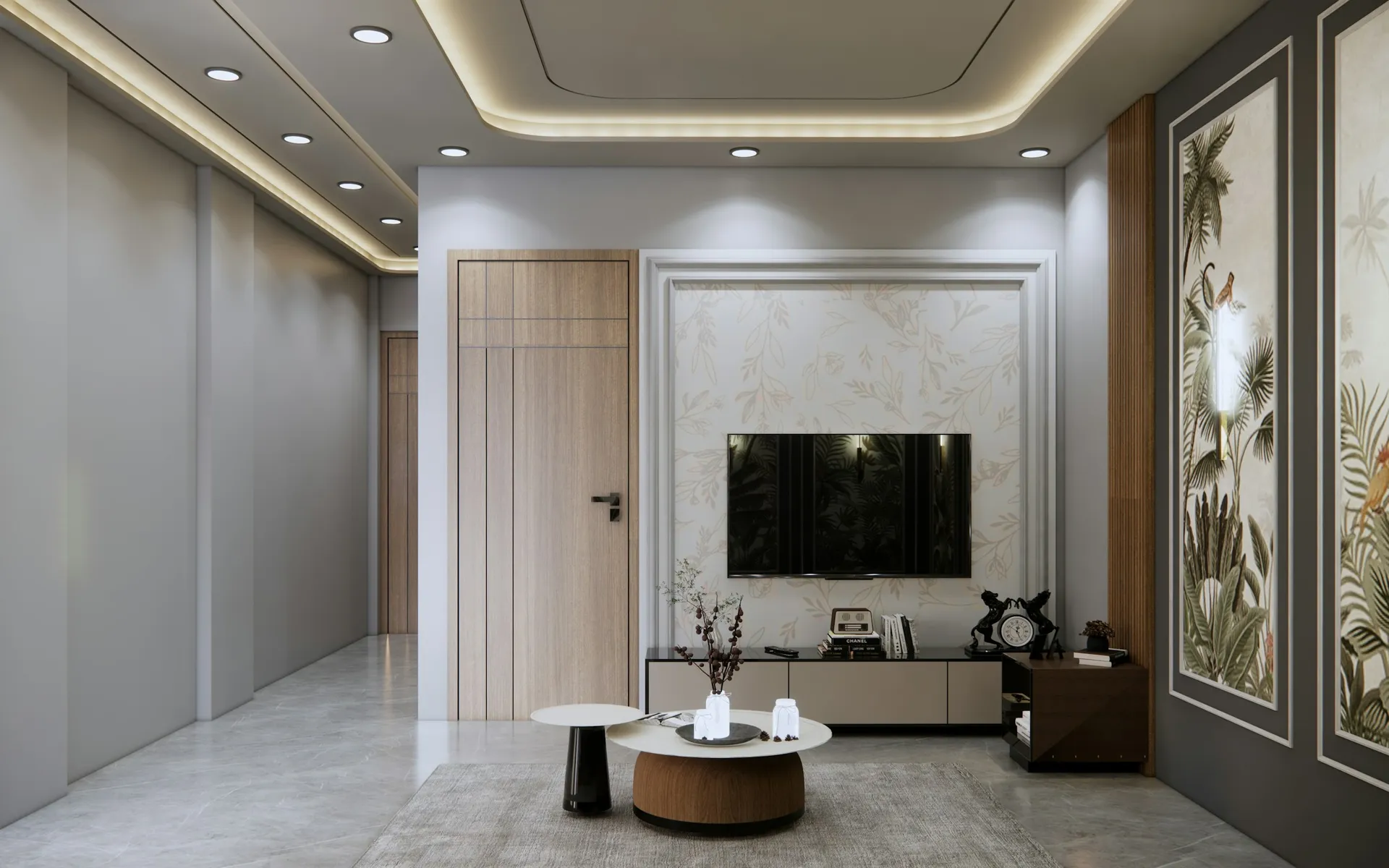
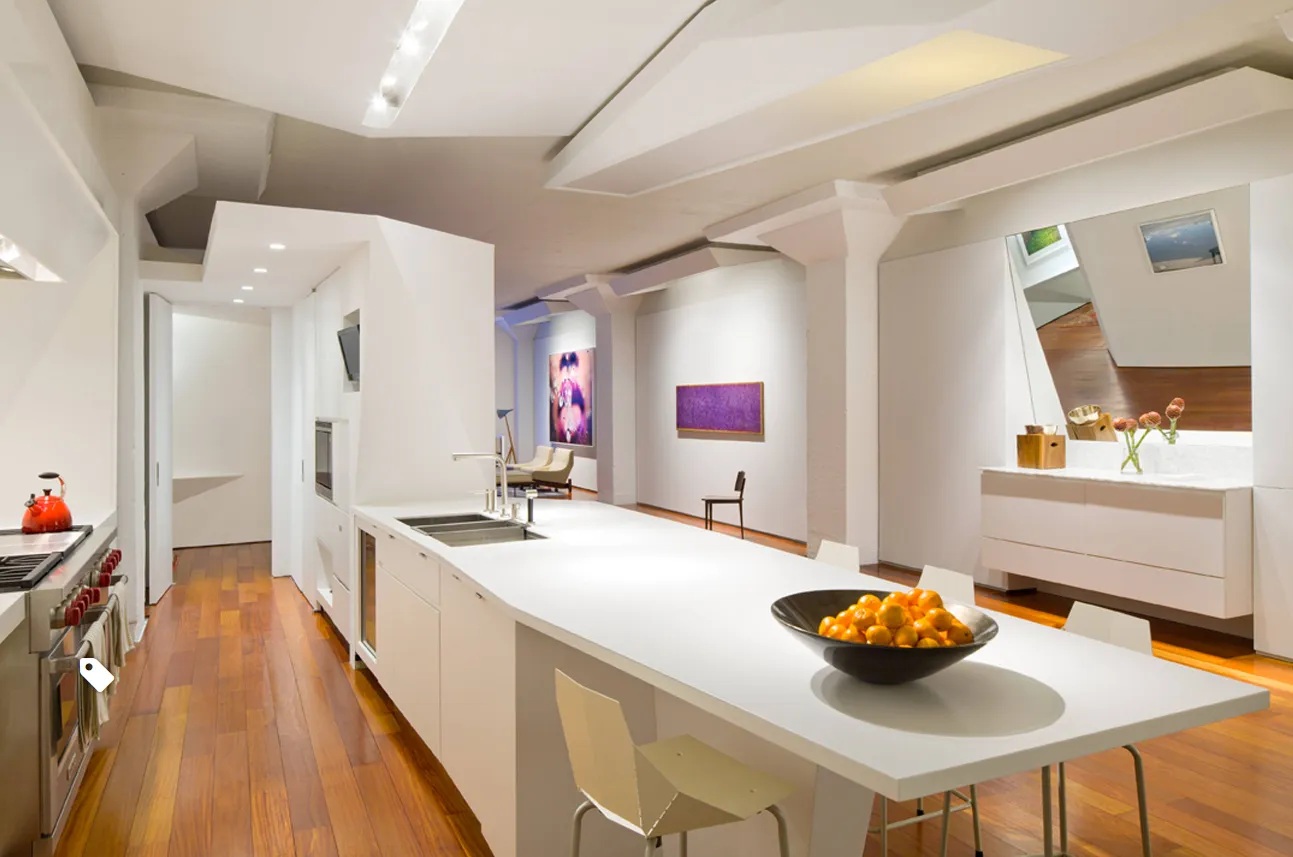
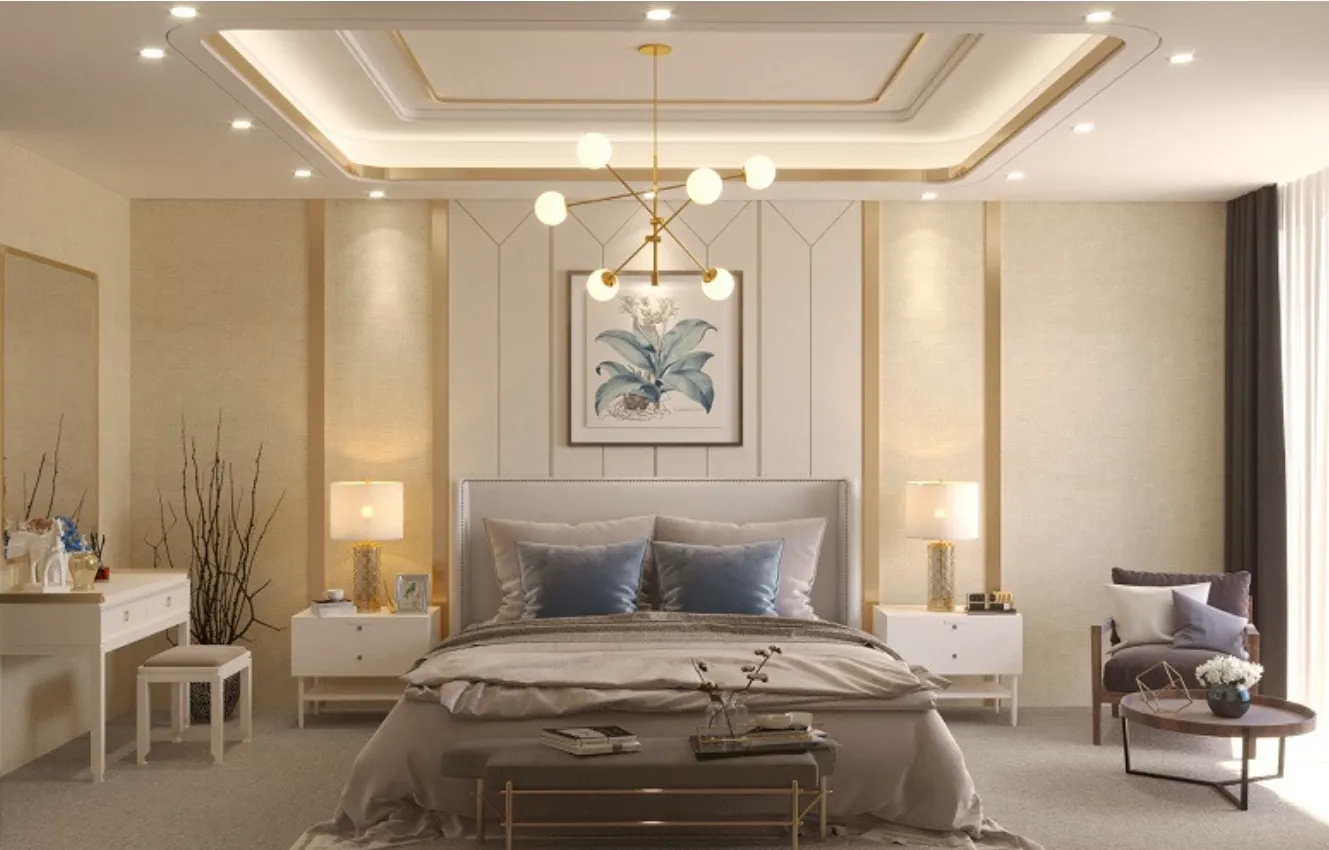
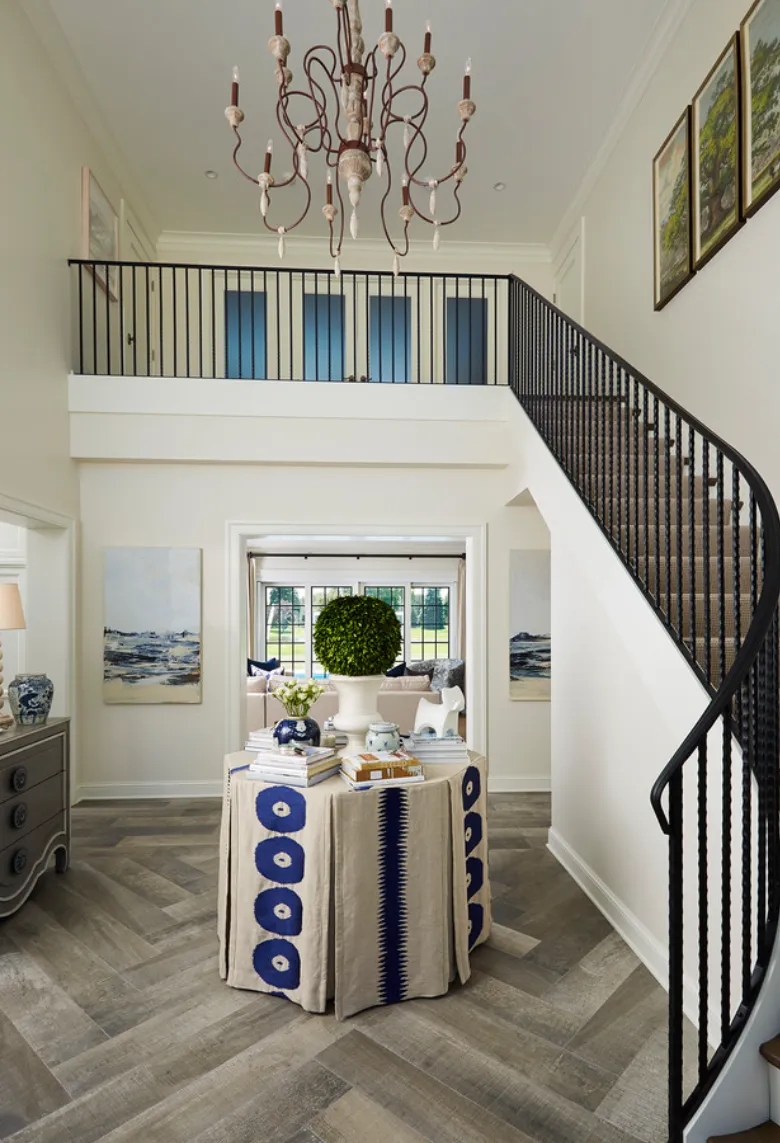
Lighting is one of the cheapest parts of a renovation to get right on paper and one of the most annoying to fix later, because light points, switches and false ceilings are built in before you move in. Getting the plan right means thinking about three layers:
- General (ambient) light that lets you see the whole room: downlights, track lights, ceiling lights or ceiling fans with lights.
- Task light where you cook, read, work or put on make-up: under-cabinet strips, pendants over the dining table, desk and vanity lights.
- Accent and mood light that makes the home feel finished: cove lighting, LED strips in shelves, wall lights and lamps.
Then there are the choices that apply to every fitting: colour temperature (warm, neutral or daylight), colour rendering (CRI), whether it dims, and whether it is controlled by switches, remotes or a smart system.
Below we compare every lighting option commonly used in Singapore homes. The buying guide covers colour temperature room by room, NEA energy labels for lamps, SAFETY Mark requirements, electrical works, and common mistakes.
Lighting options at a glance
| Option | Cost | Durability | Upkeep | Best for |
|---|---|---|---|---|
| Recessed downlights | Mid-range | good | low | Clean, even general lighting in rooms with a false ceiling |
| Surface ceiling lights and LED panels | Budget | good | low | BTO bedrooms and budget renovations without false ceilings |
| Track lights | Mid-range | good | low | Living rooms and rooms without false ceilings |
| Magnetic track lights | Upper | good | low | Minimalist and contemporary homes wanting a clean, flexible ceiling |
| Cove lighting and LED strips | Mid-range | good | low | Soft background light in living rooms and bedrooms; task light under kitchen cabinets |
| Pendant lights | Mid-range | good | medium | Over dining tables, islands and bedsides |
| Ceiling fans with lights | Mid-range | good | medium | Bedrooms and living rooms where you want air movement and light in one fitting |
| Wall lights and sconces | Mid-range | good | low | Bedsides, corridors, feature walls and vanity mirrors |
| Smart lighting | Upper | good | low | Homeowners who want scenes, schedules and dimming without extra wiring |
| Floor and table lamps | Budget | good | low | Reading corners, rentals and adding warmth after renovation |
Cost is relative within lighting ($ budget to $$$$ premium). Actual prices depend on brand, size and workmanship, so compare itemised quotes.
Recessed downlights
- Mid-range Mid-range
- Durability: good
- Upkeep: low
Round or square LED fittings set into a false ceiling. The default general lighting in many renovated HDB flats and condos.
Best for: Clean, even general lighting in rooms with a false ceiling
Pros
- Flush with the ceiling for a clean look
- Even light when spaced well
- Wide choice of sizes, beam angles and colour temperatures
- Integrated LED versions last many years
Cons
- Needs a false ceiling or bulkhead, which adds cost
- Too many downlights in a grid looks like an office
- Integrated fittings must be replaced as a whole unit
- Fixed positions; hard to move later
Downlights cannot be recessed into the concrete slab of an HDB flat, so they go into a board false ceiling or a bulkhead (a lowered strip of ceiling along the room's edge). Plan positions around furniture, not in a uniform grid: over the kitchen counter, along walkways and around the edges of a room.
Ask about the beam angle (narrow beams create pools of light; wide beams light more evenly), glare control (deeper-set or anti-glare models are more comfortable), and whether the fitting is dimmable. Some downlights have switchable colour temperature, which is useful if you are unsure between warm and neutral white. The Climate Vouchers site notes that some eligible LED lights, such as downlights, do not carry an energy label.
Surface ceiling lights and LED panels
- Budget Budget
- Durability: good
- Upkeep: low
Ceiling-mounted fittings fixed directly to the slab: round LED ceiling lights, flush mounts and slim panels. The simplest option without a false ceiling.
Best for: BTO bedrooms and budget renovations without false ceilings
Pros
- No false ceiling needed
- Lowest cost per room
- Easy to replace or upgrade later
- Many models offer remote dimming and colour change
Cons
- One central point can leave corners dim
- Bulky models can look dated
- Bright single sources can glare
- Limited design flexibility
New BTO flats usually come with lighting points in the centre of rooms, so a ceiling light is the quickest way to get light without hacking or a false ceiling. Choose slim fittings for the standard HDB ceiling height, and consider models with a diffuser to reduce glare.
To avoid a flat, single-source look, combine a ceiling light with a floor lamp or wall light. Remote-controlled models with adjustable brightness and colour temperature are useful in bedrooms. Check that bulbs or modules are replaceable, and that the fitting comes from a reputable supplier.
Track lights
- Mid-range Mid-range
- Durability: good
- Upkeep: low
Spotlights that clip onto a ceiling-mounted rail and can be moved and aimed. Popular in industrial, Scandinavian and modern homes, and a good alternative to a false ceiling.
Best for: Living rooms and rooms without false ceilings
Pros
- No false ceiling needed; surface-mounted to the slab
- Spotlights can be moved and re-aimed as furniture changes
- Good for highlighting art, shelves and feature walls
- Easy to add more heads later
Cons
- Visible rails and heads suit some styles more than others
- Spotlights can glare if aimed poorly
- Many heads on one track add up in cost
- Dust collects on the heads
Track lights are a common choice in BTO and resale flats where the owner wants to skip the false ceiling. The track runs from a lighting point along the ceiling, and heads can be added, removed and repositioned.
Agree the track type with your electrician before buying heads, because heads and tracks are not always compatible across systems. Choose beam angles to suit the job (wider for general light, narrower for accents) and anti-glare heads for living areas. Black tracks suit Industrial homes; white tracks blend into white ceilings.
Magnetic track lights
- Upper Upper
- Durability: good
- Upkeep: low
A slim, usually recessed track powered at low voltage, with modules (spots, linear bars, grille lights) that attach magnetically. A minimalist upgrade on standard tracks.
Best for: Minimalist and contemporary homes wanting a clean, flexible ceiling
Pros
- Very slim profile, often recessed flush in a false ceiling
- Mix spots, linear and diffused modules on one track
- Modules can be moved without tools
- Clean, architectural look
Cons
- Usually needs a false ceiling or recess to look its best
- Higher cost than standard track
- Modules usually only work with the same system
- Needs a driver, which must be sized and accessible
Magnetic track systems run through a driver (power supply) that converts mains power to low voltage. Ask your supplier how many modules each driver can power, where the driver will be hidden, and how it can be reached for replacement. Lamp control gear, which includes LED drivers, is a controlled good under Singapore's consumer product safety rules and must carry the SAFETY Mark.
Because modules are usually proprietary, buy enough spares from the same system and keep the model details. Plan the track layout with your false ceiling design, since a recessed track needs the right channel built in.
Cove lighting and LED strips
- Mid-range Mid-range
- Durability: good
- Upkeep: low
LED strips hidden in a recess of the false ceiling, under cabinets or in shelves, giving soft indirect light. A signature of Singapore renovations.
Best for: Soft background light in living rooms and bedrooms; task light under kitchen cabinets
Pros
- Soft, glare-free indirect light
- Makes ceilings feel higher and rooms feel finished
- Strips under cabinets give excellent task light
- Low energy use
Cons
- Cove needs a false ceiling detail, adding carpentry or board cost
- Cheap strips show dots, colour shift or fail early
- Dust collects in open coves
- Not enough on its own as main lighting
Cove lighting works by bouncing light off the ceiling, so the size and shape of the cove matters: too shallow and you see the strip; too small a gap and the light will not spread. Ask for an aluminium profile with a diffuser on visible strips (under cabinets, in shelves) to hide the dots and help the LEDs run cooler. ENERGY STAR notes that heat is the main factor in LED lifespan, and that LED "lifetime" is when light output falls by 30%.
Choose a consistent colour temperature with your other lights, and make sure the driver is accessible for replacement. Under-cabinet strips should be close to the front edge of the cabinet to avoid shadows on the worktop.
Pendant lights
- Mid-range Mid-range
- Durability: good
- Upkeep: medium
Fittings suspended from the ceiling on a cord, chain or rod. Used as a focal point over dining tables, kitchen islands and bedside tables.
Best for: Over dining tables, islands and bedsides
Pros
- Strong decorative focal point
- Puts light where you need it, over the table
- Huge range of styles and sizes
- Bulbs can usually be replaced
Cons
- Position must match the table, or it hangs off-centre
- Glass and fabric shades collect dust
- Can glare if hung too high or with a bare bulb
- Heavy fittings need a secure ceiling fixing
The most common mistake is setting the pendant point before the dining table is chosen. Fix the table position in the layout first, then have the electrician place the point over its centre. A ceiling canopy that allows the cord to be offset can rescue a misplaced point, but it is better to plan.
For dining tables, choose a shade that hides the bulb from seated eye level, and consider a dimmable warm white lamp. Check how the fitting attaches: heavy pendants need fixing to the slab or a reinforced ceiling, not just ceiling board. See our dining tables guide for sizing.
Ceiling fans with lights
- Mid-range Mid-range
- Durability: good
- Upkeep: medium
A ceiling fan with an integrated LED light, often controlled by remote. Very common in Singapore bedrooms and living rooms.
Best for: Bedrooms and living rooms where you want air movement and light in one fitting
Pros
- Combines cooling and light on one ceiling point
- DC motor fans are quiet and energy efficient
- Reduces reliance on air-conditioning
- Remote control for speed, light and colour
Cons
- Light is a single central source, often not enough on its own
- Integrated LED modules may be hard to replace
- Needs secure mounting and enough ceiling height
- Blades collect dust
Fans, including ceiling fans, are controlled goods in Singapore and must carry the SAFETY Mark before they can be sold. Check for it, buy from reputable suppliers, and keep the model details for any recall notices. Direct current (DC) fans are also among the product types eligible for Climate Vouchers.
Ceiling fans need a secure fixing into the concrete slab, and extra support if fixed through a false ceiling. Check blade clearance from the floor and from cabinets or bunk beds, and that the light module is replaceable. Use the fan with the air-conditioner set a little warmer for comfort with lower energy use.
Wall lights and sconces
- Mid-range Mid-range
- Durability: good
- Upkeep: low
Fittings mounted on walls, from bedside reading lights to up-and-down washers and outdoor-style lanterns.
Best for: Bedsides, corridors, feature walls and vanity mirrors
Pros
- Frees bedside tables from lamps
- Adds a soft, layered feel to rooms
- Washes texture onto feature walls
- Good, even light around mirrors
Cons
- Needs concealed wiring in the wall, planned early
- Position is fixed once wired
- Chasing walls in a finished home is messy
- Bathroom fittings need a suitable moisture rating
Wall lights need a wiring point in the right place, so decide on bed width, headboard design and mirror size before the electrician starts. Bedside wall lights with their own switch, or two-way switching from the door and bed, are worth planning in.
Around vanity mirrors, lights on both sides or a backlit mirror reduce shadows on the face; choose a high CRI for accurate skin tones. In bathrooms, check that the fitting is designed for damp locations. All new wiring must be done by an EMA licensed electrical worker.
Smart lighting
- Upper Upper
- Durability: good
- Upkeep: low
Bulbs, switches or systems controlled by app, voice or schedule, often with dimming and adjustable colour temperature.
Best for: Homeowners who want scenes, schedules and dimming without extra wiring
Pros
- Dimming and colour temperature changes without special dimmer wiring
- Scenes and schedules for movie, dinner or night lights
- Smart switches keep normal wall switches working
- Can be added room by room
Cons
- Higher cost per point
- Depends on Wi-Fi, hubs and apps that may change
- Smart bulbs fail if someone turns off the wall switch
- Mixing ecosystems causes headaches
There are two main routes. Smart bulbs or fittings are simple to add but need the wall switch left on. Smart switches replace normal switches and control any compatible light, which is usually more reliable for a renovation. Many smart switches need a neutral wire at the switch box, so check this with your electrician before wiring.
Domestic electric wall switches are controlled goods that must carry the SAFETY Mark, so buy switches from reputable suppliers. Choose one ecosystem and stick to it, and keep at least one manual way to turn lights on and off.
Floor and table lamps
- Budget Budget
- Durability: good
- Upkeep: low
Freestanding plug-in lights for reading corners, side tables and soft evening light. The easiest way to add warmth without electrical works.
Best for: Reading corners, rentals and adding warmth after renovation
Pros
- No renovation or wiring needed
- Movable and easy to change
- Adds warm, low-level light in the evening
- Huge range of prices and styles
Cons
- Needs power points in the right places
- Cords can be trip hazards
- Takes floor or table space
- Easy to knock over with kids or pets
Plan power points where lamps will go (beside the sofa, at reading corners and on both sides of the bed), ideally with a switched socket so a lamp can be turned on from the wall. Table and standing lamps are controlled goods in Singapore and must carry the SAFETY Mark.
Use warm white bulbs (around 2700K to 3000K) for a relaxed evening feel. For replaceable bulbs, check the NEA energy label: lamps are rated from 1 to 4 ticks based on efficacy in lumens per watt.
Plan lighting with the furniture layout
Decide where the sofa, dining table, beds, desks and mirrors go before the electrician marks light points. Most lighting regrets (pendants off-centre, no light over the stove, a bright downlight right above the bed) come from setting points before furniture.
For each room, ask:
- What is the main activity, and where does it happen?
- Where do I need task light (counter, desk, mirror, reading chair)?
- What is the evening mood, and which lights stay on then?
- Where are the switches, and do I need two-way switching (for example, at the bedroom door and bedside)?
Colour temperature, room by room
Colour temperature is measured in kelvin (K): lower is warmer and more yellow, higher is cooler and bluer. ENERGY STAR's purchasing guide groups bulbs as soft or warm white (2200K to 3000K, ideal for most indoor uses), neutral or cool white (3500K to 4100K, good for kitchens and work spaces) and daylight (5000K to 6500K, good for reading). Singapore suppliers usually sell three options: warm white (about 3000K), cool or neutral white (about 4000K) and daylight (about 6500K).
- Living and dining: warm white, or neutral white if you prefer a brighter look.
- Bedrooms: warm white.
- Kitchen and study: neutral white for task areas.
- Bathrooms: warm or neutral white; good colour rendering at the mirror.
- Daylight (6500K): use sparingly in homes; it can feel clinical in the evening.
Keep one colour temperature per space so lights do not clash, or choose tunable fittings.
Colour rendering (CRI)
CRI is a score out of 100 for how accurately a light shows colours compared with a reference light. Ask for the CRI on every fitting, and look for 90 or above where colour matters: kitchens, dressing areas, vanity mirrors and art.
Brightness and dimming
Compare lumens (light output), not watts (energy used). For dimming, the LED fitting and the dimmer must be compatible: ask the supplier which dimmers are approved for each fitting, or use smart switches or fittings with built-in dimming. Mismatched dimmers cause flicker and buzzing.
Energy labels and safety marks
- NEA energy label: NEA's Mandatory Energy Labelling Scheme covers lamps such as bulbs and LED and fluorescent tubes. From 1 April 2024, lamps are rated from 1 to 4 ticks based on efficacy: 4 ticks for 160 lumens per watt or more, 3 ticks for 135 to under 160, 2 ticks for 110 to under 135 and 1 tick below 110. Many integrated fittings such as downlights carry no energy label.
- Climate Vouchers: eligible households can use Climate Vouchers on 2, 3 and 4-tick LED lights with the new energy label (not the old round label), plus some approved unlabelled LED lights. Check eligible models with the retailer.
- SAFETY Mark: Singapore's Consumer Product Safety Office lists table and standing lamps, decorative lighting chains, lamp control gear (including LED drivers), isolating transformers for downlights, fans and domestic wall switches as controlled goods that must carry the SAFETY Mark.
Electrical works and HDB rules
All electrical works in HDB flats must be carried out by an EMA licensed electrical worker, as HDB's renovation guidelines require. Concealing new wiring, adding lighting points and installing false ceilings are part of your renovation scope, so list every light point, switch and driver location in the quotation. In older resale flats, ask your electrician whether the existing wiring and distribution board should be upgraded at the same time. Drilling for lights is noisy work, which MND says is limited to 9am to 5pm on weekdays, excluding public holidays.
Common mistakes
- Too many downlights in a grid, and too few task lights.
- Pendant and wall light points set before the furniture is chosen.
- Mixing 3000K and 6500K in one open space.
- Cheap LED strips without profiles, showing dots and failing early.
- Drivers hidden where nobody can reach them.
- Forgetting switched sockets for lamps.
Budget
Surface ceiling lights and lamps are the cheapest route; downlights, cove lighting and magnetic tracks add the cost of a false ceiling as well as the fittings. Spend on good quality LEDs in the rooms you use most, and on the electrical plan, which is costly to change later. JIAHOME shows your lighting plan in 3D views before renovation, so you can see the effect of each choice. See our services.