
Homeowner guide
Storage during renovation: where to keep your things while the work is done
If you are renovating a home you already live in, most of your furniture and boxes need somewhere clean and dry for the weeks the works take. This guide answers the questions you are probably asking: do you need storage at all, which option suits you, how much space and time to book, what to pack, and when to move things back.
- BTO, resale HDB and condo
- Storage options compared
- What to pack, and when
The short answer
Do I need storage during my renovation?
Short answer: you need storage during a renovation if your things are already in the flat and the works touch most rooms. Hacking, tiling, sanding, painting and carpentry all make fine dust that settles everywhere, and furniture left in the way slows the contractor down. If you are renovating an empty new flat, you usually don't need storage at all. You just time your deliveries for after the works.
It comes down to three questions:
- Is the flat empty or full? An empty BTO, or a resale flat you haven't moved into, has nothing to protect. A flat you live in has everything to protect.
- How much of the flat is being done? One bathroom, or a repaint of two rooms, can often be handled by clearing those rooms into the rest of the home. A full renovation with new flooring or hacking leaves no clean room to hide things in.
- Where will you live during the works? If you are moving out anyway, it is usually simpler to move your things out at the same time than to work around them.
Why "just cover it with plastic" often isn't enough
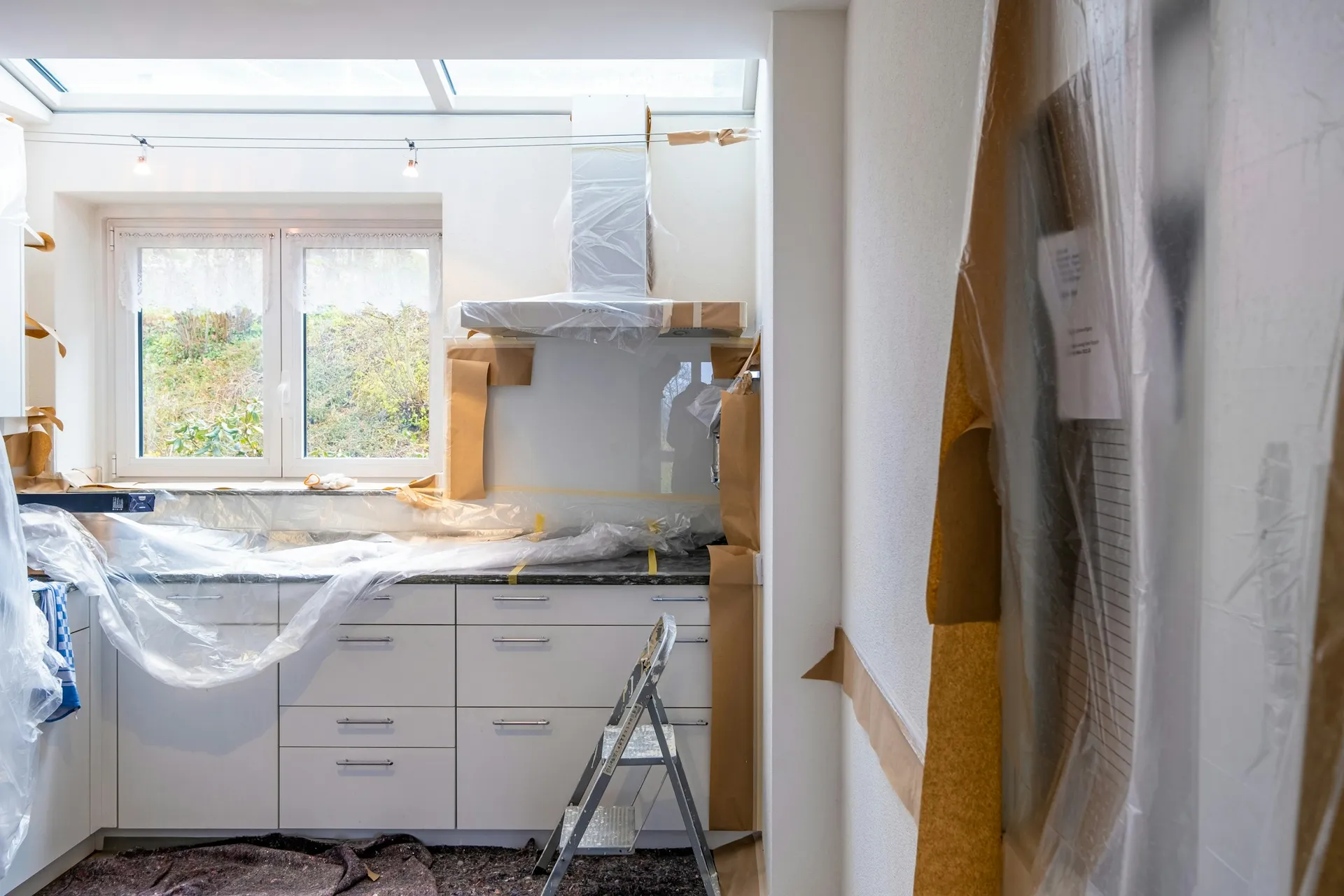
Plastic sheets work for light jobs. For bigger ones they have limits. Fine dust from hacking and sanding gets under covers and into drawers, fabric and electronics. Things left in the flat also have to be shifted from room to room as each trade needs the space, and every shift is a chance for a scratch or a dent.
If you do keep things at home, agree in writing with your contractor who moves them, and who is responsible if something gets damaged.
Find your situation
Which situation are you in?
General guidance. Your own scope, timeline and family set-up may point you a different way.
| What usually works | Storage needed? | |
|---|---|---|
| New BTO, nothing moved in yet | Renovate the empty flat, then schedule furniture and appliance deliveries for after the final clean | Usually not |
| Resale flat you haven't moved into | Keep your things where they are now until the works and the clean are done | Only if your current home must be handed over first |
| Living in the flat, one or two rooms being done | Clear those rooms into the rest of the home and seal the doorways | Sometimes, for bulky pieces |
| Living in the flat, full renovation | Move out, and store most of your things for the length of the works | Usually yes |
| Old home sold, new home not ready | Store everything, then move once, straight from storage into the finished home | Yes |
| Condo renovation | As above, plus your MCST's rules on working hours, lift bookings and moving in and out | Depends how full the unit is |
Your options
Where can I keep my things during a renovation?
Short answer: you have five realistic options: keep things in the flat under covers, leave them with family, rent a self-storage unit, use valet (box) storage, or book movers who also store. None is right for everyone. It depends on how much you have, how often you'll need things, and how much of the carrying you want to do yourself.
1. Keep things in the flat
Clear one room or corner, stack everything there, cover it and seal the doorway with plastic.
- Good if you: are doing a small, partial job, and the room you are using isn't being touched.
- Watch out for: dust getting in anyway, items blocking the works, and having to move everything again when that room's turn comes.
2. Family or friends
- Good if you: have a parent or relative with a spare room, and only a few large pieces.
- Watch out for: transport both ways, their space being tighter than you expected, and works that overrun, which can stretch a favour of a few weeks into months.
3. A self-storage unit
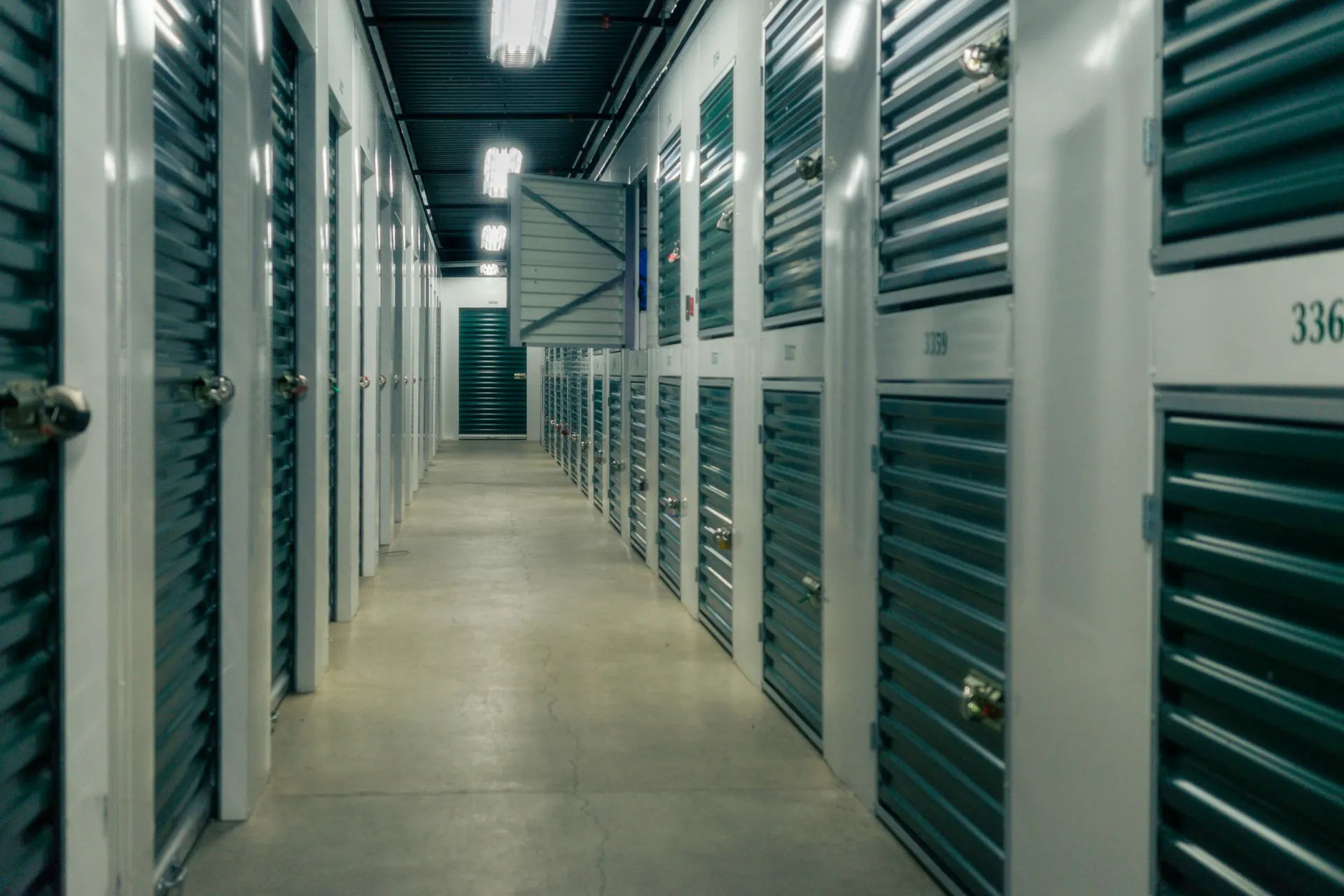
You rent a lockable unit at a storage facility, bring your things in yourself or with movers, and collect them when you are ready.
- Good if you: have furniture and lots of boxes, want to reach your things during the works, or aren't sure exactly when the works will finish.
- Watch out for: the transport is up to you, and you pay monthly, so size the unit properly (see below) instead of guessing big.
4. Valet (box) storage
What is valet storage? The company drops off storage boxes, you pack them, and they collect, store and deliver them back when you ask. You never go to a facility.
- Good if you: mostly have boxed items such as clothes, books, kitchenware and toys, and don't want to drive anywhere.
- Watch out for: you usually can't open your boxes at the facility, so anything you might need during the works should stay with you. It suits boxes better than furniture.
5. Movers who also store
Some moving companies pack, move out, store and move back in as one job.
- Good if you: are moving out of the flat anyway, or have a lot of large furniture.
- Watch out for: get in writing what is included (packing, dismantling, storage, the move back) and what costs extra, such as stairs or a long carry to the truck.
At a glance
Storage options side by side
Relative cost only. Prices depend on the provider, the size and how long you store, so get quotes for your own list.
| Relative cost | Getting to your things | Best for | |
|---|---|---|---|
| Keep in the flat | Lowest | Any time, but in the way of the works | Small, partial renovations |
| Family or friends | Low (transport only) | When it suits them | A few large pieces |
| Self-storage unit | Mid | Whenever the facility gives you access | Furniture plus boxes, uncertain end dates |
| Valet (box) storage | Mid, charged per box | Delivered back when you ask | Boxed items, no car |
| Movers who also store | Higher, but one job | Through the mover | Moving out anyway, lots of furniture |
One provider in detail
What does Extra Space offer if I'm renovating?
Short answer: Extra Space runs self-storage facilities across Singapore, plus a door-to-door box service called e-Valet and a moving service called e-Move, so it covers options 3, 4 and 5 above. These details come from Extra Space's website as of November 2026. Check current terms and prices with them before you book.
Self-storage units
- 12 facilities in Singapore: Ang Mo Kio, Boon Keng, Commonwealth, Eunos Link, Hillview, IMM (Jurong East), Kallang Way, Marymount (Sin Ming), Tai Seng, Toa Payoh, West Coast and Woodlands (locations). A facility near your home, or near your new home, keeps every trip short.
- Sizes from 10 sq ft to over 200 sq ft, so you can rent anything from a small space for a few boxes to a room-sized unit for a whole flat's furniture.
- Air-conditioned or not. Air-conditioned units are dehumidified and meant for things like documents, artwork and collectibles (air-conditioned storage). Non-air-conditioned units are for everyday household items (non-air-conditioned storage).
- Month to month. You can store for as little as a month, move to a bigger or smaller unit (subject to availability), and end the contract with 14 days' written notice (FAQs). That suits a renovation, where the finish date often moves.
- 24/7 access for registered users with a PIN or card, plus CCTV, cargo lifts, a loading bay and trolleys you can use for free.
e-Valet (door-to-door boxes)
Extra Space delivers its own plastic boxes (60 by 40 by 30 cm, up to 20 kg when packed), collects them once you have packed, stores them, and brings them back when you schedule a return online (e-Valet). You can't collect e-Valet boxes yourself at the facility, so keep anything you may need during the works out of them. e-Valet is charged per box, per month.
e-Move (moving)
e-Move is Extra Space's moving service. It covers moves for relocation and renovation, can add storage or disposal to the job, and does storage-to-home transfers, so you can move out, store and move back in with one company. Extra charges can apply, for example for a floor with no lift access or a long walk to the truck, so ask for these in the quote.
Good to know
- Not allowed in storage: flammable or hazardous items, perishable food, plants and animals, and anything illegal. Thinners, solvent-based paint and gas canisters left over from the works don't belong in a unit.
- Insurance: Extra Space offers cover through Marsh for fire and forcible theft. Ask what is and isn't covered, and check whether your own home contents policy covers things kept off-site.
Packing
What should I put in storage, and what should I keep with me?
Short answer: store anything you won't need until you move back: furniture, spare bedding, books, decor, most of the kitchen and out-of-season clothes. Keep with you anything you use every week, anything valuable, and anything you would struggle to replace.
Usually goes into storage
- Sofas, beds, dining sets, shelves and other loose furniture you are keeping
- Mattresses (bagged), rugs and spare bedding
- Books, decor, frames and display pieces
- Kitchenware you won't use while you are away
- Clothes and shoes beyond the next two or three months
- Toys and hobby gear the family can do without for a while
Keep with you
- Passports, ICs, birth and marriage certificates, property and loan papers, and your renovation contract and quotations
- Jewellery, cash and anything small and valuable
- Laptops, chargers and work equipment
- Medication, and anything your children or elderly parents need every day
- A box of everyday clothes, toiletries and basic kitchen things for wherever you are staying
Sell, donate or throw out before you pack
A renovation is the cheapest moment to declutter, because everything is being handled anyway. Every item you let go is one you don't pay to store or move twice. Go room by room before packing day, and be honest about furniture that won't suit the new layout. If you are not sure how much the new storage will hold, see storage ideas for small homes.
Packing tips
- Label each box with what is inside and the room it goes back to. Moving back in is much faster when boxes go straight to the right room.
- Take apart beds and large shelves, and keep the screws in a labelled bag taped to the piece.
- Photograph valuable furniture before it leaves, so you have a record of its condition.
- Put the heaviest things in the smallest boxes.
Sizing
How much storage space do I need?
Short answer: list what you are storing, then pick a unit that fits it with a little room to reach the back. Too big costs you every month; too small means a second unit, or things left behind in the dust.
A simple way to work it out:
- List the big pieces: sofa, bed frames, mattresses, freestanding wardrobes, dining table and chairs, and any fridge or washing machine coming out of the flat.
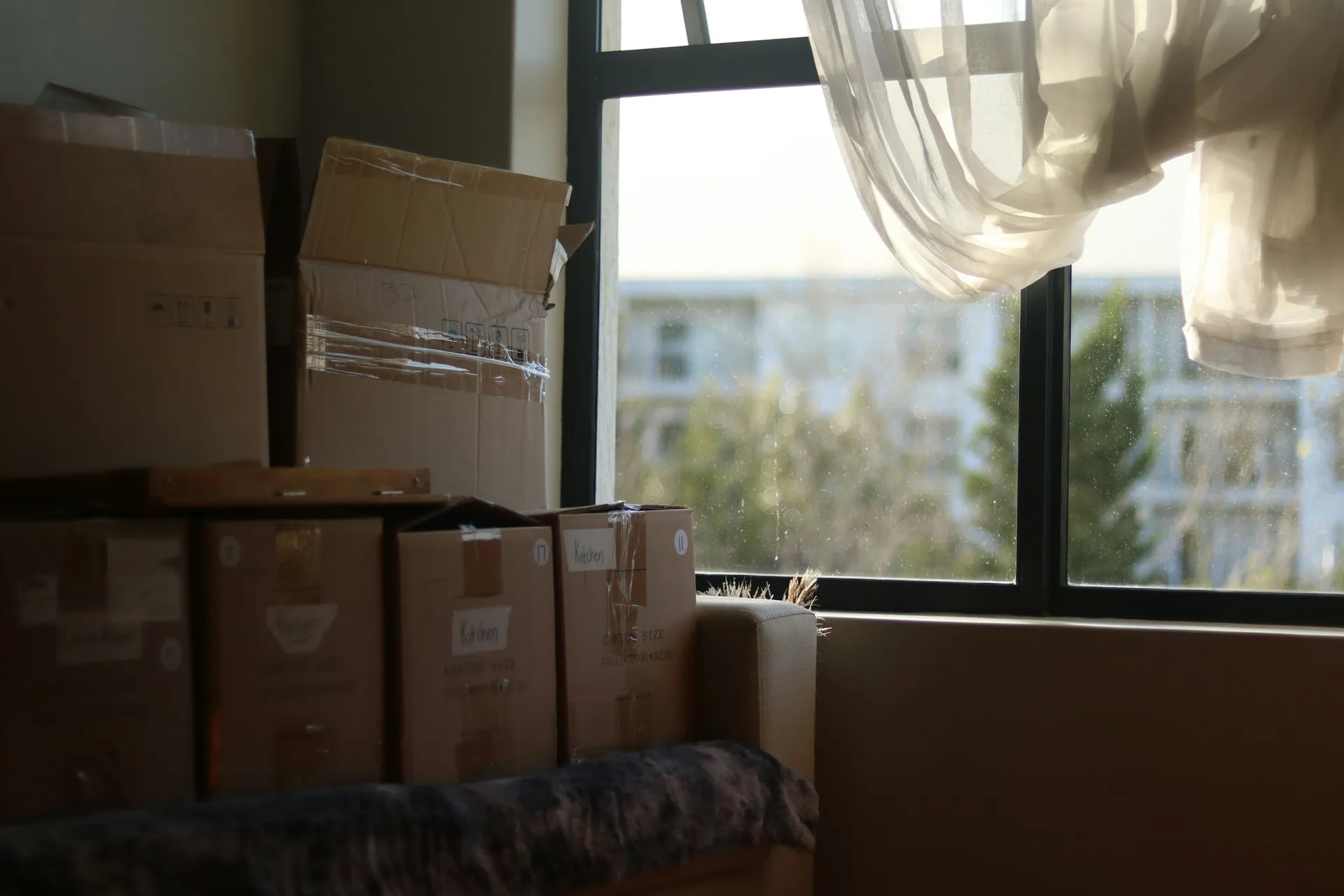
- Count your boxes. Pack one shelf or cupboard as a test and multiply. Most people underestimate.
- Use the provider's size guide. Most storage operators have one. Extra Space has a size estimator on its website, and its staff can match your list to a unit.
- Stack up, not out. Units are tall. Put sturdy boxes at the bottom and stand furniture on end where it is safe to, so you rent fewer square feet.
- Leave a walkway if you expect to take things out during the works.
With a month-to-month contract, such as Extra Space's, you can change to a different size later if you got it wrong (subject to availability). If you use another provider, ask about this before you sign.
Timing
How long will I need storage for?
Short answer: plan for the length of the site works plus two to four weeks. Qanvast's 2026 estimates put most HDB renovations at 6 to 11 weeks on site, and the days around them (moving out, cleaning, fixing defects, deliveries) add more.
Qanvast's estimated site works durations for 2026 (industry estimates, not official figures):
- 3-room: 6 to 8 weeks for a BTO, 8 to 10 weeks for a resale flat
- 4-room: 8 to 10 weeks for a BTO or a resale flat
- 5-room: 9 to 10 weeks for a BTO, 9 to 11 weeks for a resale flat
Why the buffer? Works can run late for reasons nobody planned, such as a material that arrives late or a trade that can't start until another finishes. After the works the flat still needs a deep clean, defects need fixing, and furniture and appliances need delivering. Moving back into a dusty flat with unfinished touch-ups is how new furniture gets scratched on day one.
Two habits that save money:
- Start storage about a week before the works begin, not the day you sign the contract.
- Don't end your storage until the handover date is firm. If your provider needs notice (Extra Space asks for 14 days in writing), give it once your contractor confirms the finish date, not before.
For a week-by-week view of the works themselves, see how long a renovation takes in Singapore.
Humidity
Will my furniture get damaged in storage?
Short answer: not if it goes in clean and dry and sits in the right kind of unit. In Singapore the main risk is humidity, not the storage itself. Wood, leather, fabric, mattresses, paper and electronics are the things most likely to suffer if they sit in damp air for weeks.
Air-conditioned or not?
There is no single right answer, just a trade-off between cost and risk:
- Lean towards air-conditioned (dehumidified) if you are storing solid wood or leather furniture, mattresses, artwork, photos, documents, books you care about or electronics, or if the storage may run longer than planned.
- Standard (non-air-conditioned) is often fine for plastic, metal, ceramics, glass, kitchenware, tools and boxed items, especially for a short renovation.
- You can split it. Put the sensitive pieces in a small air-conditioned unit and everything else in a larger standard one.
Prepare things properly
- Clean and dry everything first. Damp clothes, a wet fridge or a freshly wiped sofa can grow mould in a closed unit.
- Defrost and dry fridges and washing machines, and leave their doors slightly open in storage.
- Wrap for the move, breathe for the stay. Plastic and bubble wrap protect against dust and scratches in transit. For a longer stay, make sure items are completely dry before they are wrapped, or use furniture blankets or cotton sheets that let air through.
- Keep things off the floor with pallets or a bottom layer of sturdy plastic boxes.

Step by step
When should I move things out, and back in?
A typical order for a flat you live in. Your contractor's schedule sets the exact dates.
- 01
When you sign the renovation contract
Ask for the planned start and finish dates. Start comparing storage and movers, and decide what you will keep, sell or give away.
- 02
Two to three weeks before works start
Declutter, book storage and movers, and get boxes. Start packing what you use least: books, decor and out-of-season clothes.
- 03
The week before works start
Pack the rest, label every box with its contents and its room, photograph valuable furniture, and set aside your essentials box. Move out a day or two before the first trade arrives.
- 04
During the works
Visit the site, not the storage. If you kept things at home, check the covers are still sealed. If the finish date moves, tell your storage provider early.
- 05
When the works finish
Wait for the final clean (often called a chemical wash) and the first round of defect fixes. Check walls, floors and carpentry before furniture goes against them.
- 06
Moving back in
Bring large furniture in first, then boxes room by room. End your storage once everything fits and nothing needs to go back.
HDB and condo rules
Can I leave furniture or boxes in the corridor during the works?
Short answer: no, not as storage. Common corridors and staircases are shared escape routes. SCDF's fire safety guidelines for residential estates say no objects may be placed or stored at staircases and their landings, and that access to fire-fighting equipment, such as hose reels and riser inlets, must stay clear at all times. Even items that are allowed in a corridor, such as a shoe rack, must leave a clear passage of at least 1.2 m. Town councils (for HDB estates) and MCSTs (for condos) can also make their own by-laws for common areas (SCDF guidelines).
In practice:
- Don't plan on parking furniture outside your door "just for a few days" between the movers and the storage. Book them to line up.
- Make it clear with your contractor that materials and debris stay inside your unit, not in the corridor or on the stairs.
- In a condo, ask your MCST about lift protection, booking the service lift and moving hours before moving day.
Between homes
What if I've sold my old home and the new one isn't ready?
Short answer: store everything and move once. Move your things from the old home straight into storage, stay with family or in a short-term rental, and move everything into the new home only after the renovation and the clean are finished. That way no furniture goes into a flat that is still being worked on.
A few things that make the gap easier:
- Line up the dates early. Once you know your old home's handover date and the renovation's start and finish dates, you know how long the gap is and how long to book storage.
- Use one company for both moves if you can. A mover that also stores (Extra Space's e-Move does storage-to-home transfers, for example) means one booking, one inventory and fewer handovers.
- Choose storage near the new home, so the move back is short.
- Keep a separate set of everyday things for wherever you are staying, so you never need to dig into storage.
- Check your insurance for the time your things are in transit and in storage.
When moving day comes, our move-in checklist covers utilities, defects, your address change and safety.
FAQs
Questions homeowners ask about storage during renovation
Is storage worth paying for during a renovation?
If you live in the flat and most rooms are being worked on, usually yes: it protects your things from dust and damage and lets the contractor work faster. For an empty new flat or a one-room job, you can usually do without it.
What is valet storage?
Valet storage is a door-to-door service: the company drops off boxes, you pack them, and they collect, store and return them when you ask. You usually can't visit or open your boxes at the facility, so it suits things you won't need during the works.
Can I stay in my flat during the renovation?
For small jobs, often yes. During hacking, tiling, sanding and painting, most families move out for at least part of the works because of the dust and noise. Ask your contractor which weeks will be hardest to live through.
Will my contractor move my furniture around?
Some contractors will shift furniture between rooms, sometimes for a fee. Agree in writing who moves what, and who pays if something is damaged.
What can't I put in a storage unit?
Most facilities ban flammable and hazardous items, perishable food, plants and animals, and illegal goods. Extra Space lists these on its FAQ page. Thinners and gas canisters left over from the works should be disposed of properly instead.
How far ahead should I book storage?
Two to three weeks before the works start is usually enough. Book earlier if you want a particular size, an air-conditioned unit or a facility close to home.
Plan it before you pack
Know your renovation scope before you book storage
Storage is easier to plan when you know exactly what is happening in each room. JIAHOME designs your home first, for a fixed fee: layouts, 3D views and a quotation that lists every item without prices, so any contractor can price the same scope and give you a realistic timeline. Your first consultation is free.
Important
Disclaimer and sources
This guide is general information to help homeowners plan. It is not legal, financial or insurance advice. Details about Extra Space come from its public website and were checked in November 2026; services, terms and prices can change, so confirm them with Extra Space before you book. Renovation durations are industry estimates, not guarantees. Check current rules with HDB, your town council or MCST, and your contractor.
Sources
- SCDF: Fire safety guidelines for residential estates
- Qanvast: Expected renovation costs and durations for HDB flats in 2026
- Extra Space Asia Singapore
- Extra Space: Locations
- Extra Space: FAQs
- Extra Space: Air-conditioned storage
- Extra Space: Non-air-conditioned storage
- Extra Space: e-Valet
- Extra Space: e-Move