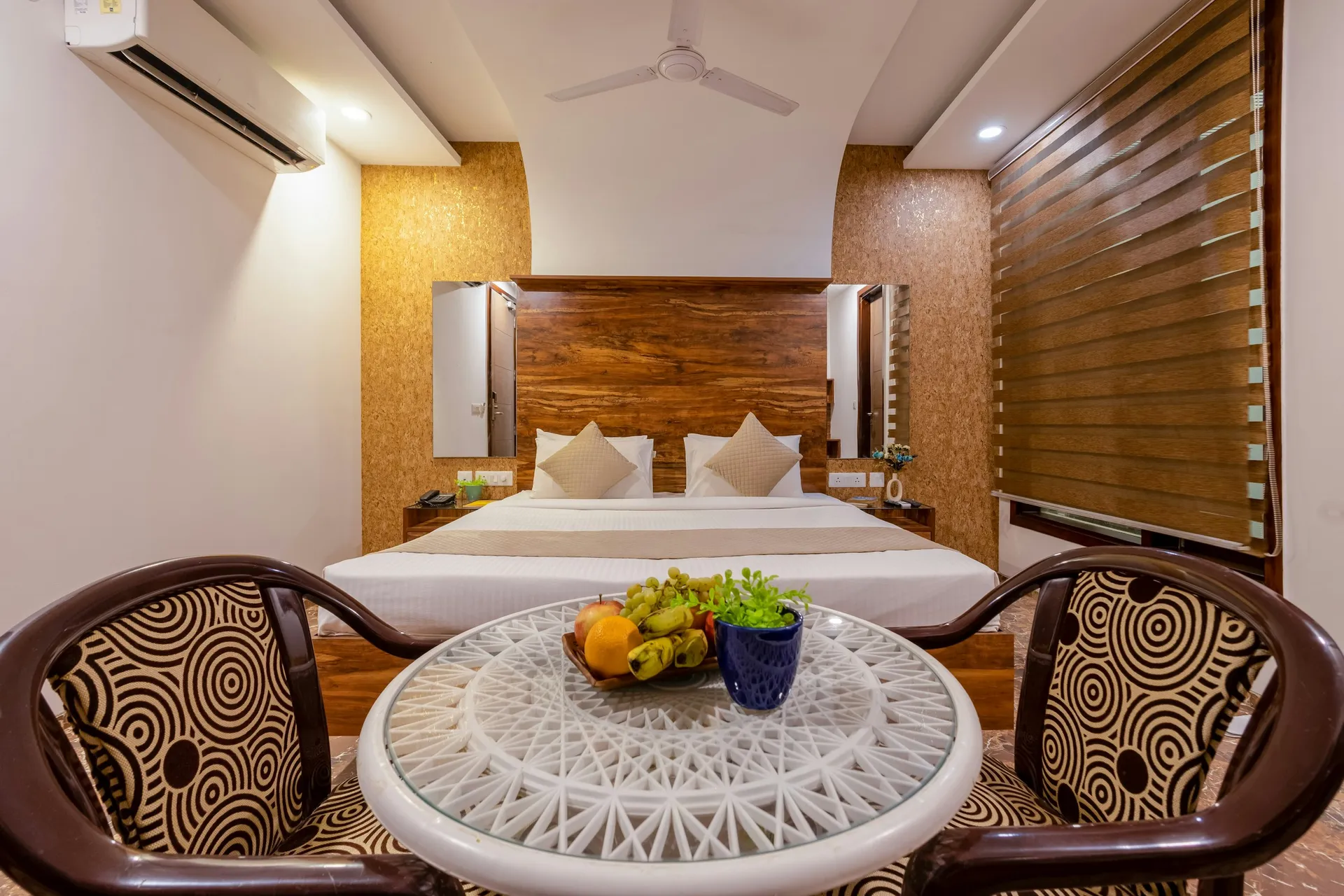
In a typical HDB bedroom, the bed takes up more floor area than anything else, so how it is built matters. Singapore homeowners usually choose between built-in carpentry (a platform with drawers, a tatami platform, or a bed built into a wardrobe wall) and loose furniture (a hydraulic storage bed, a divan, or a frame in solid wood, upholstery or metal). Children's rooms add loft and bunk beds to the list.
The trade-offs are storage versus airflow and permanence versus flexibility. A platform with drawers turns the space under the mattress into storage but stays with the flat. A slatted frame lets the mattress breathe in Singapore's humidity but stores nothing. A hydraulic bed stores the most bulky items but has gas struts that wear out.
This page compares every realistic option, then covers mattress sizes, mattress types, ventilation and mould, and budget. If your bedroom is short on storage, read it alongside our wardrobes guide, and see carpentry finishes for board and surface choices on built-in platforms.
Beds and platforms options at a glance
| Option | Cost | Durability | Upkeep | Best for |
|---|---|---|---|---|
| Built-in platform bed with drawers | Mid-range | excellent | low | Small common bedrooms that need storage under the bed |
| Hydraulic lift-up storage bed | Mid-range | good | medium | Storing bulky, rarely used items in tight bedrooms |
| Tatami platform | Upper | good | medium | Multi-purpose study, guest and children rooms |
| Divan bed with drawers | Budget | good | low | Budget storage in rooms with space beside the bed |
| Solid wood bed frame | Upper | excellent | medium | Owners who prioritise airflow, a natural look and longevity |
| Upholstered bed frame | Mid-range | good | medium | Hotel-style master bedrooms and anyone who reads in bed |
| Metal bed frame | Budget | good | low | Budget bedrooms, industrial style and rental homes |
| Loft bed or bunk bed | Mid-range | good | low | Shared children rooms and small rooms that need a desk |
Cost is relative within beds and platforms ($ budget to $$$$ premium). Actual prices depend on brand, size and workmanship, so compare itemised quotes.
Built-in platform bed with drawers
- Mid-range Mid-range
- Durability: excellent
- Upkeep: low
A carpentry platform built to the room, with drawers or lift-up compartments under the mattress. Very common in BTO common rooms and study-bedrooms.
Best for: Small common bedrooms that need storage under the bed
Pros
- Turns the whole bed footprint into storage
- Built wall to wall, so no dust gap underneath
- Can extend into a bay window seat, desk or bedside shelf
- Lower bed height makes a small room feel taller
Cons
- Permanent: cannot be moved or easily rearranged
- Solid tops limit airflow under the mattress
- Drawers need clear space in front to open
- Adds to the carpentry bill and lead time
SmartCalculator estimates bay-window and platform carpentry (a platform bed base or window seat with drawers) at about $150 to $290 per foot run in 2026, in laminate (indicative).
Retailer guidance notes a platform typically sits about 15 to 30 cm off the floor. Decide between drawers (easier daily access, compartments) and lift-up hatches (bulky items, but you lift the mattress). Because a solid platform restricts airflow, ask for ventilation slots or a slatted top, use a breathable mattress protector, and air the mattress regularly. Build the carcass in plywood and band every edge.
Hydraulic lift-up storage bed
- Mid-range Mid-range
- Durability: good
- Upkeep: medium
A freestanding bed whose mattress base lifts on gas struts to reveal one large storage cavity. Popular in HDB master bedrooms for luggage, duvets and seasonal items.
Best for: Storing bulky, rarely used items in tight bedrooms
Pros
- Large single cavity fits luggage and bulky bedding
- Opens upward, so no side clearance is needed for drawers
- Loose furniture that moves with you
- Usually cheaper than equivalent built-in carpentry
Cons
- Gas struts weaken over time, especially with heavy mattresses
- Not convenient for things you need every day
- Closed cavity has little ventilation, so contents can get musty
- Must match the strut rating to your mattress weight
Hydraulic beds use two or more gas struts to hold the base open. A retailer guide warns that heavy foam mattresses can weaken the struts over time and advises checking the rated load against your mattress weight. It suggests a plywood base rather than MDF, which can swell at the edges in humidity, and a safety stay if children are around.
Check that the warranty covers the gas-lift mechanism separately from the frame. Put moisture absorbers inside the cavity and check stored items every few months. Measure the lift and bedroom door: retailers note many HDB lift doors are about 0.8 m wide, which matters for large one-piece bases.
Tatami platform
- Upper Upper
- Durability: good
- Upkeep: medium
A raised platform, often with tatami or tatami-style mats on top, used for sleeping, sitting or a multi-purpose study and guest room. Common in Japanese and Muji-style homes.
Best for: Multi-purpose study, guest and children rooms
Pros
- Turns a room into a flexible sleep, play and lounge space
- Lots of storage underneath with drawers or lift-up panels
- Can include a sunken or lift-up table
Cons
- Natural rush mats are sensitive to humidity and can grow mould
- Takes up most of the floor, so the room is less flexible for other furniture
- Permanent carpentry
- Getting on and off is harder for elderly users
Tatami platforms usually combine carpentry with lift-up hatches or deep side drawers. Natural rush tatami needs good ventilation and dry conditions, which is a challenge in Singapore; many homeowners choose synthetic tatami-style mats or a plain laminate or veneer top with a futon or mattress instead.
If children will use it, check that lift-up panels have gas struts rated for the load and soft-close or slow-drop hinges to protect fingers. Plan sockets and lighting at platform height before fabrication.
Divan bed with drawers
- Budget Budget
- Durability: good
- Upkeep: low
A boxed upholstered or laminated base with drawers in the sides, sold as loose furniture. A simple storage bed for owners who want to avoid built-in carpentry.
Best for: Budget storage in rooms with space beside the bed
Pros
- Daily-use storage without lifting the mattress
- Freestanding and easy to replace
- Wide choice of sizes and fabrics
Cons
- Drawers need clear space beside the bed to open
- Limited airflow under the mattress
- Fabric bases collect dust
Retail guidance suggests divan drawers need roughly 60 to 70 cm of clear space beside the bed, so check the room width carefully in smaller HDB bedrooms. If the bed is pushed against a wall, choose drawers on the open side only. A gas-lift base may suit a narrow room better. Vacuum the base regularly and consider a fabric that is easy to wipe.
Solid wood bed frame
- Upper Upper
- Durability: excellent
- Upkeep: medium
A bed frame with legs and a slatted base, made of solid timber. Warm, timeless and good for airflow, though it stores less unless you add boxes underneath.
Best for: Owners who prioritise airflow, a natural look and longevity
Pros
- Slatted base lets the mattress breathe in humid weather
- Long-lasting and can be refinished
- Easy to clean under if the frame is raised
Cons
- Timber can move or creak with humidity changes
- Heavier and usually more expensive than metal
- Little or no built-in storage
Retailer guidance says foam and latex mattresses generally need slats about 7 to 8 cm apart for even support, while spring mattresses are less demanding. Check slat spacing and whether there is a centre support leg on queen and king sizes.
Leave enough height underneath for a robot vacuum or storage boxes. Kiln-dried hardwood frames handle Singapore humidity best; tighten bolts occasionally as the timber settles.
Upholstered bed frame
- Mid-range Mid-range
- Durability: good
- Upkeep: medium
A frame and headboard covered in fabric or leather, often with a padded headboard. Popular for a hotel-style master bedroom and sometimes combined with hydraulic storage.
Best for: Hotel-style master bedrooms and anyone who reads in bed
Pros
- Soft headboard is comfortable to lean against
- Many colours and textures to suit the room
- Often available with storage built in
Cons
- Fabric collects dust and can harbour dust mites
- Stains are harder to clean than timber or metal
- Fabric can develop mould if the room is damp and unventilated
In Singapore's humidity, choose fabrics that are easy to vacuum and spot clean, or performance fabrics and removable covers. Keep the headboard a little off the wall for airflow and avoid placing it against a wall that gets damp. Vacuum regularly, especially for allergy sufferers.
If you want storage as well, many upholstered frames come with a hydraulic lift-up base, so the same checks on gas strut rating and mattress weight apply. Measure the headboard height against any wall-mounted reading lights or switches before ordering.
Metal bed frame
- Budget Budget
- Durability: good
- Upkeep: low
A steel or iron frame, often with slats or a mesh base. Light, affordable and good for airflow, suiting industrial and minimalist rooms.
Best for: Budget bedrooms, industrial style and rental homes
Pros
- Usually the cheapest frame option
- Open base gives good airflow
- Light and easy to move
Cons
- Joints can squeak or loosen over time
- Poor coatings can rust in damp rooms
- Thin frames can feel less solid
Check the coating (powder-coated is best), the gauge of the steel, and whether there is a centre support on larger sizes. Tighten bolts periodically and add felt pads to stop squeaks. Metal frames work well raised off the floor for storage boxes and cleaning.
In poorly ventilated rooms, inspect welds and feet for rust spots once in a while and touch them up early. Add rubber or felt feet to protect vinyl or timber flooring from scratches.
Loft bed or bunk bed
- Mid-range Mid-range
- Durability: good
- Upkeep: low
A raised bed with a desk, wardrobe or second bed underneath, either loose furniture or built-in carpentry. Common in children rooms and small study-bedrooms.
Best for: Shared children rooms and small rooms that need a desk
Pros
- Doubles the useful floor area of a small room
- Built-in versions can integrate wardrobe, desk and steps with drawers
- Good fit for siblings sharing a room
Cons
- Needs good ceiling height for comfortable headroom
- Upper bed is hotter in rooms without good airflow
- Changing sheets on the top bunk is awkward
- Guard rails and ladder safety are essential for children
Measure ceiling height before choosing, and allow space between the top mattress and the ceiling for sitting up. Position the top bunk so the aircon and fan reach it without blowing directly onto the sleeper.
For children, choose guard rails on all sides of the upper bed, a stable ladder or stair unit with handrails, and fix the frame to the wall. Built-in versions must be engineered by your carpenter for the load, so ask how it is fixed and what board is used.
How to choose
- Decide what you need to store. Bulky, rarely used items suit a hydraulic bed or lift-up platform. Clothes and daily items suit drawers.
- Check the room width. Drawers need clear space to open beside or in front of the bed. If the bed is against a wall or close to a wardrobe, lift-up storage may be the only option.
- Built-in or loose? Built-in platforms fit exactly and look neat but stay with the flat. Loose beds move with you and can be replaced later.
- Think about airflow. In Singapore's humidity, a mattress on a solid base without ventilation can trap moisture.
- Check delivery access. Measure the lift, corridor and bedroom door for large one-piece frames and mattresses.
Mattress and bed sizes in Singapore
Common Singapore mattress sizes, as listed by HipVan (sizes vary slightly by brand):
- Single: 91 x 190 cm
- Super single: 107 x 190 cm
- Queen: 152 x 190 cm
- King: 183 x 190 cm
Frames are slightly larger than the mattress. Retailer guides suggest leaving about 60 cm of walking space around the bed where possible. A queen fits most HDB master bedrooms; a super single is a common choice for common rooms and teenagers.
Mattress types in brief
- Pocketed spring: individually wrapped springs; good support and less motion transfer.
- Bonnell (open coil) spring: interconnected springs; usually cheaper and firmer.
- Memory foam: contouring support; can feel warm and is often heavy.
- Latex: springy and supportive; check the weight before pairing with a hydraulic base.
- Hybrid: springs with foam or latex layers on top.
Retailer guidance warns that heavy foam mattresses can wear out hydraulic struts faster, and that foam and latex mattresses need closely spaced slats for even support. Check the mattress weight and the bed's rated load together.
Humidity, mould and dust mites
- Choose a slatted base or add ventilation slots to solid platforms.
- Use a breathable mattress protector and air or rotate the mattress periodically.
- Put moisture absorbers in closed storage compartments and avoid storing damp items.
- Keep the bedroom ventilated during the day and avoid pushing the bed against a damp external wall.
- Vacuum upholstered headboards and fabric bases regularly.
Built-in platforms: planning notes
- Plan electrical points early. Bedside switches, sockets and reading lights should be decided before carpentry. New wiring must be done by an EMA licensed electrical worker.
- Board and edges. Ask for plywood and full edge banding (see carpentry finishes).
- Ventilate after installation. New carpentry releases formaldehyde; NEA advises ventilating well and not moving in too early, and suggests specifying low-formaldehyde products in your contract.
- Drilling. Check your floor plan and avoid drilling into structural elements or concealed services.
Budget
- Built-in platforms are priced per foot run like other carpentry. SmartCalculator estimates about $150 to $290 per foot run in laminate (2026, indicative).
- Loose beds range widely; compare frames on materials, base construction and warranty, not just price.
- A low platform plus a good mattress is often better value than an expensive frame with a cheap mattress.
Write the bed type, size and storage into your quotation so contractors price the same item. See how to compare renovation quotations.
How JIAHOME helps
We lay out the bed, storage and circulation space in 2D and 3D first, so you can see whether drawers will open and doors will clear before anything is built. See our services.