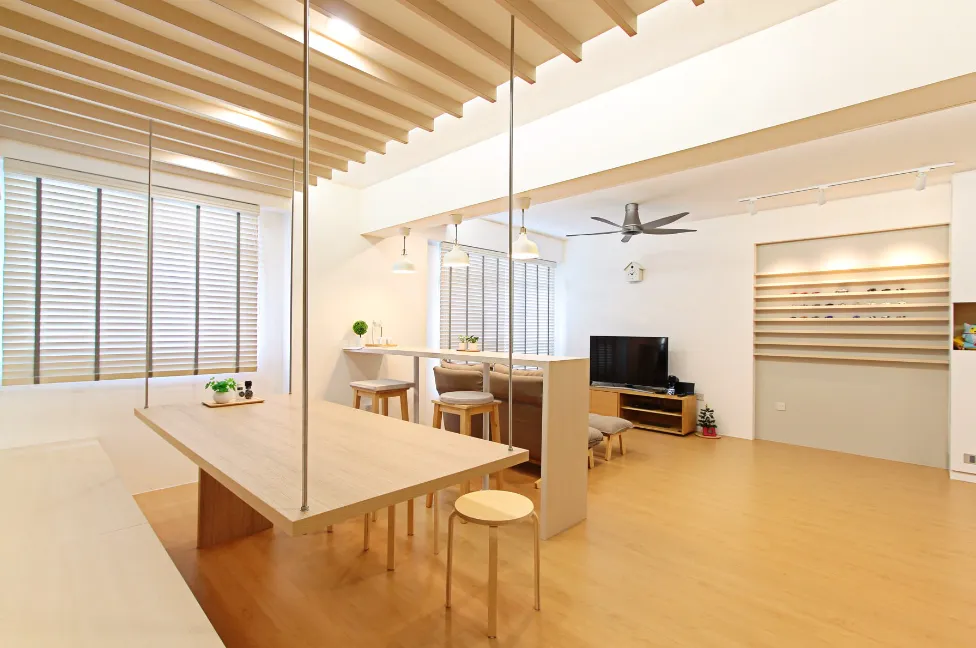
The loft style interior design has become synonymous with urban living and contemporary aesthetics, celebrating open space, industrial elements, and a sense of raw sophistication. Originating from repurposed industrial spaces like warehouses and factories, the loft style has evolved into a trendy and sought-after design concept that combines functionality with an edgy charm. This design approach captivates with its high ceilings, exposed beams, and an embrace of the urban environment, creating a dynamic and versatile canvas for modern living.
What's great about it
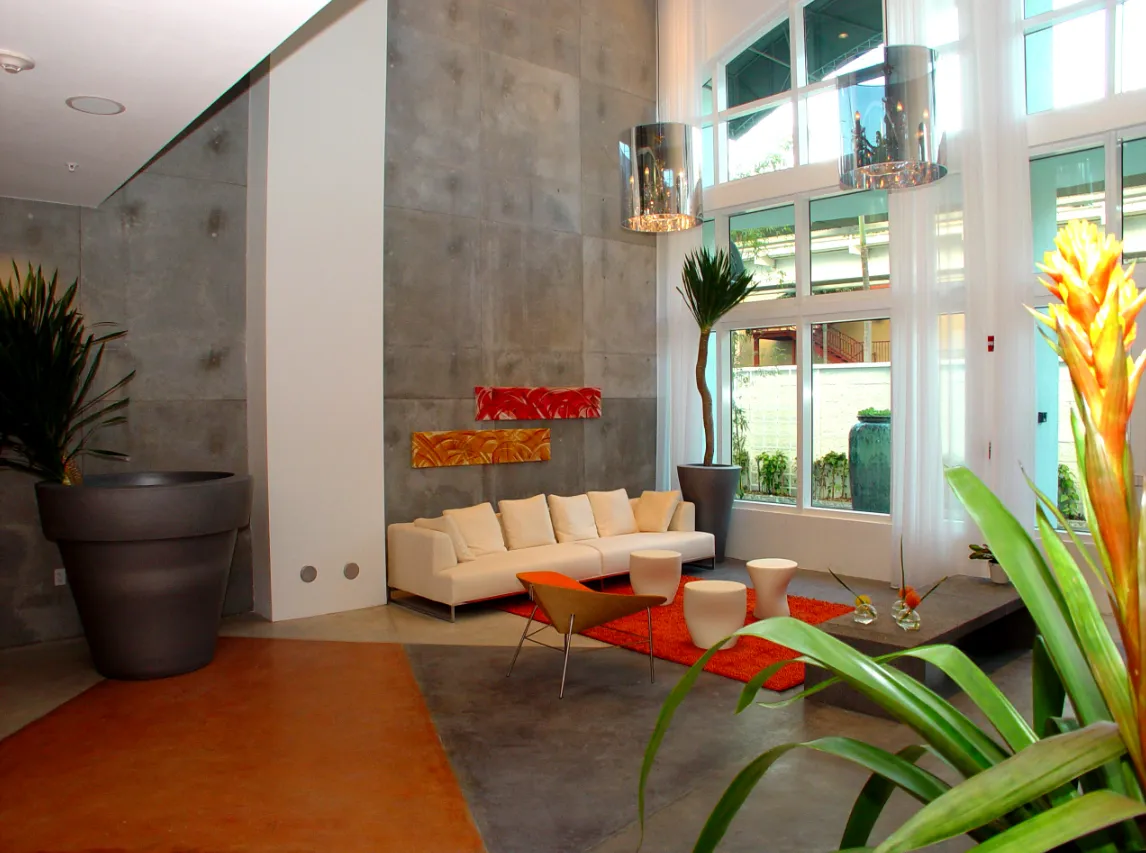
One of the most appealing aspects of loft style interior design is its ability to transform formerly utilitarian spaces into chic and stylish living areas. The concept thrives on open layouts, where the boundaries between different living areas are blurred, creating a seamless flow that encourages social interactions and connectivity. The vast, unobstructed spaces that loft style offers provide an opportunity to experiment with furniture arrangement and room divisions, giving homeowners the freedom to create personalized, functional layouts.
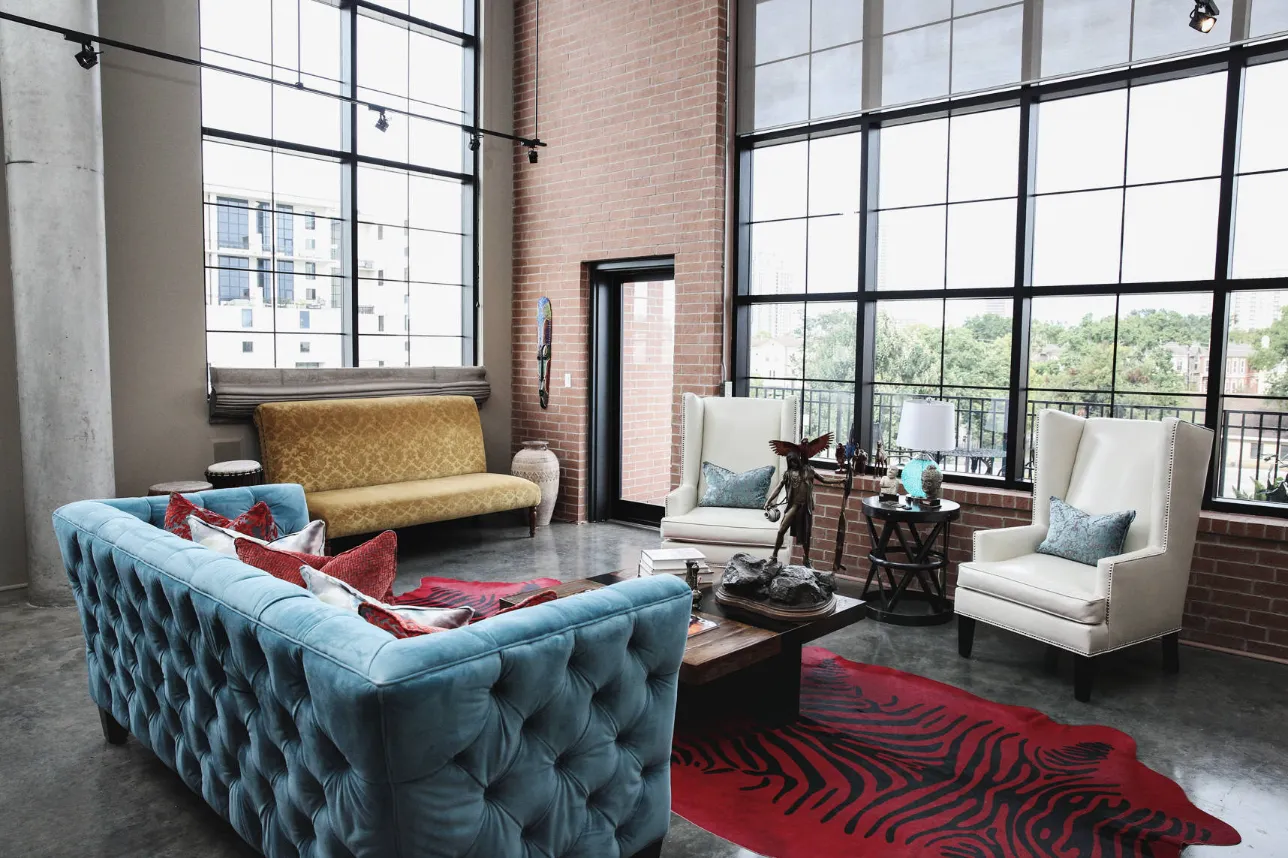
Exposed architectural elements, such as raw brick walls, steel beams, and industrial-style windows, infuse a sense of history and character into the space. This blend of vintage industrial charm with modern design elements results in a unique atmosphere that is both nostalgic and cutting-edge. Additionally, the loft style embraces the concept of adaptive reuse, promoting sustainability by repurposing existing structures rather than building from scratch.
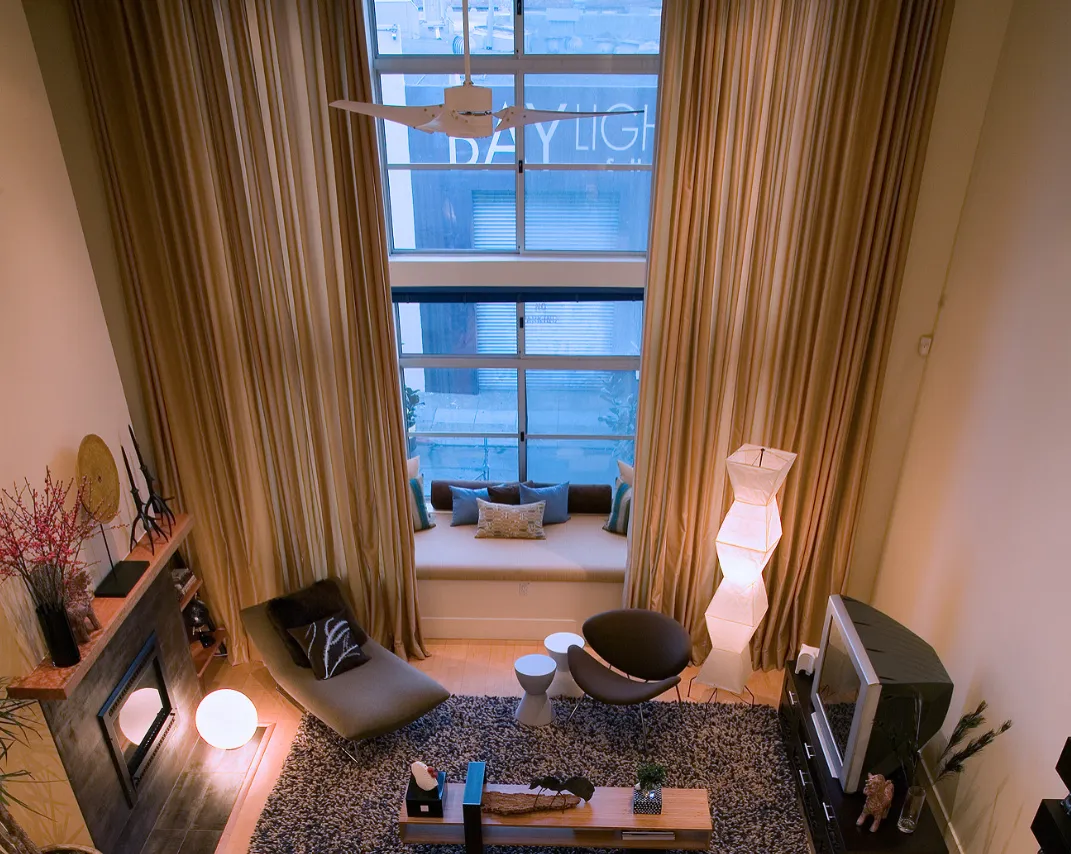
Loft interiors often enjoy abundant natural light, thanks to large windows and open spaces. This influx of light not only enhances the visual appeal but also contributes to a positive atmosphere, fostering a sense of well-being and energy. This design approach also encourages creativity in terms of decor and personalization, as it provides a blank canvas for showcasing artwork, sculptures, and unique furnishings.
What's not so great about it
While the loft style offers a wealth of benefits, it might not suit those who value privacy and defined spaces. The open layout, which is one of its key features, can sometimes result in a lack of secluded areas, making it challenging to find quiet corners or private rooms. Additionally, the industrial aesthetics might not resonate with those who prefer more traditional or cozy design themes.
One of the potential drawbacks of loft style interiors is the challenge of effectively heating and cooling such expansive spaces. With high ceilings and vast areas, temperature control can become an issue, leading to increased energy consumption and potential discomfort. Additionally, the scale of loft spaces can sometimes necessitate larger furniture and decor items, which might be costlier than those suitable for smaller spaces.
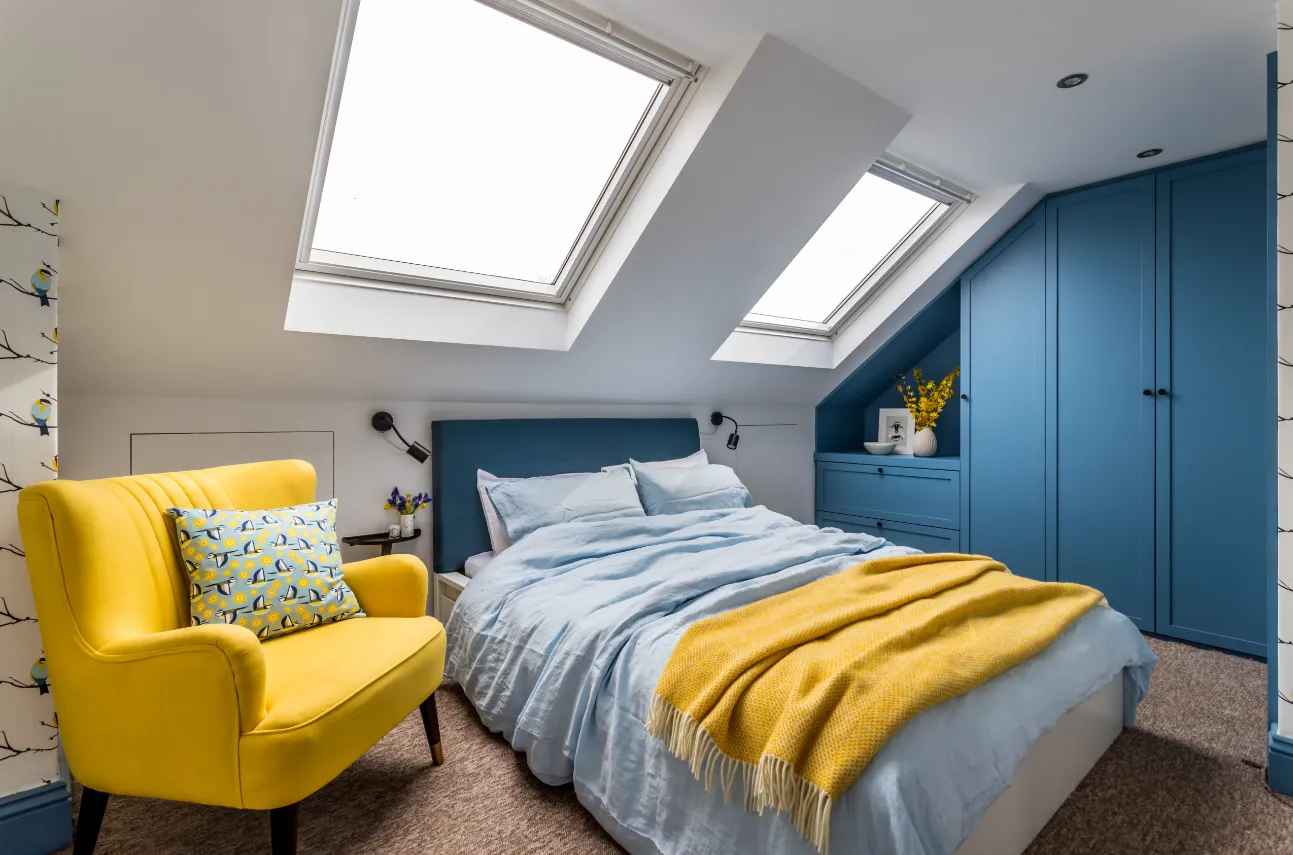
The Bedroom
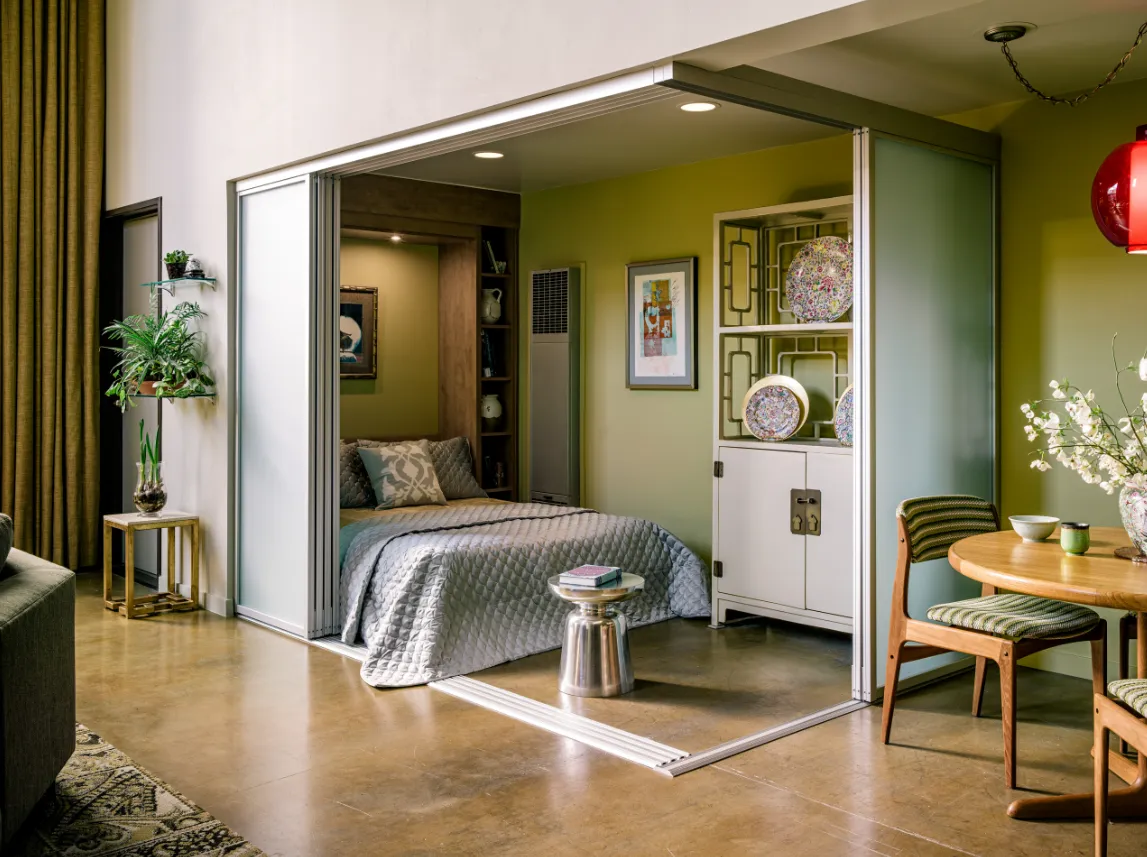
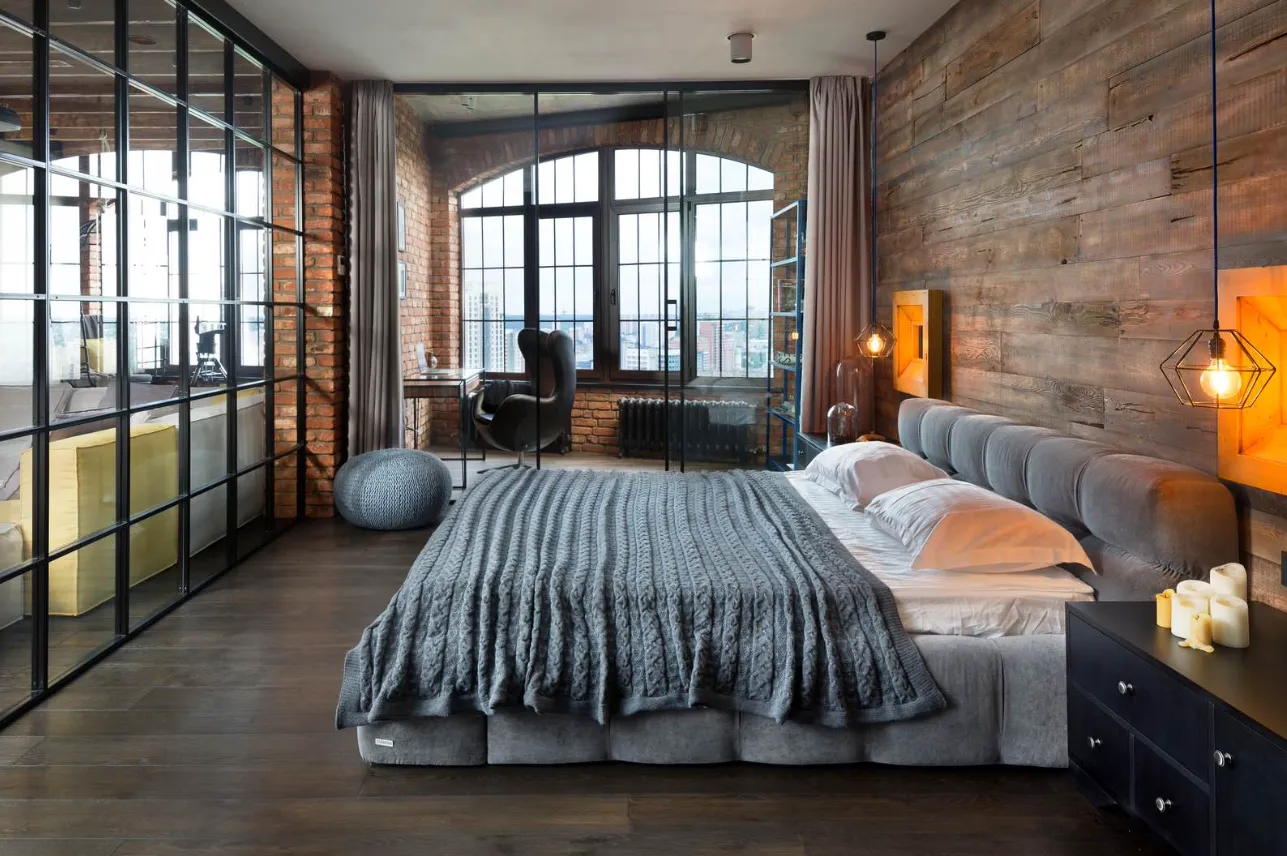
In loft style interiors, the bedroom often maintains the open and airy ambiance of the overall design. Floating platforms or low beds are common choices, accentuating the spaciousness of the room while preserving a sense of intimacy. To add privacy without sacrificing the open feel, partial room dividers or sheer curtains can be employed. Industrial-style pendant lights and creative wall decor contribute to the urban chic atmosphere.
The Living Room
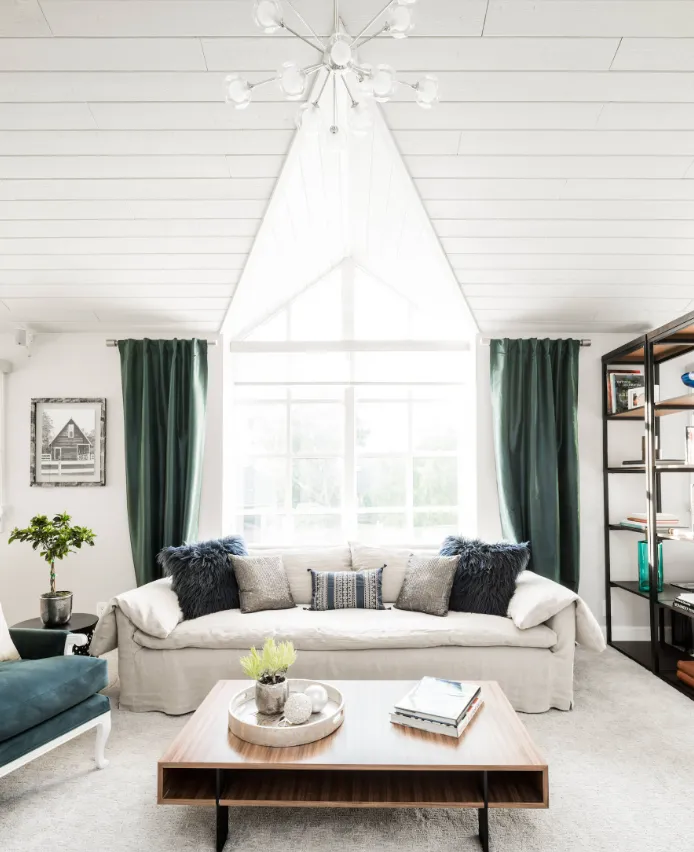
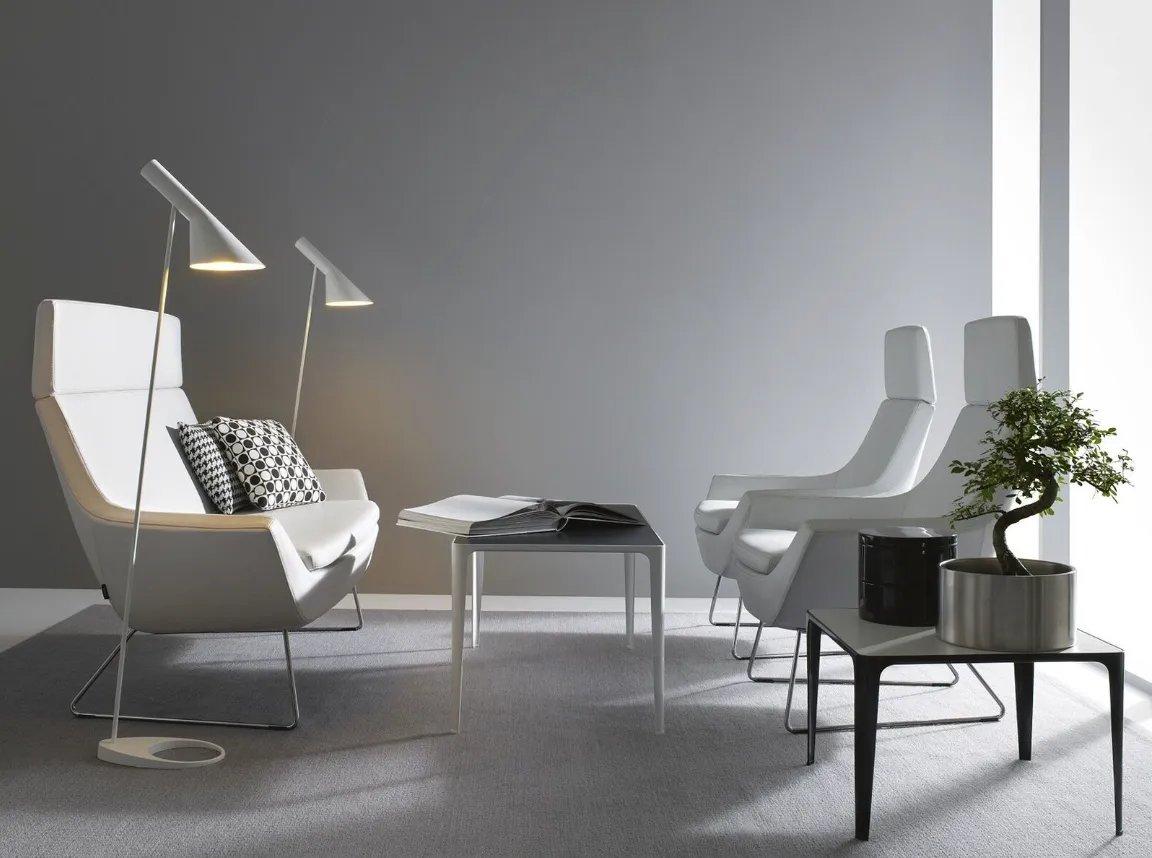
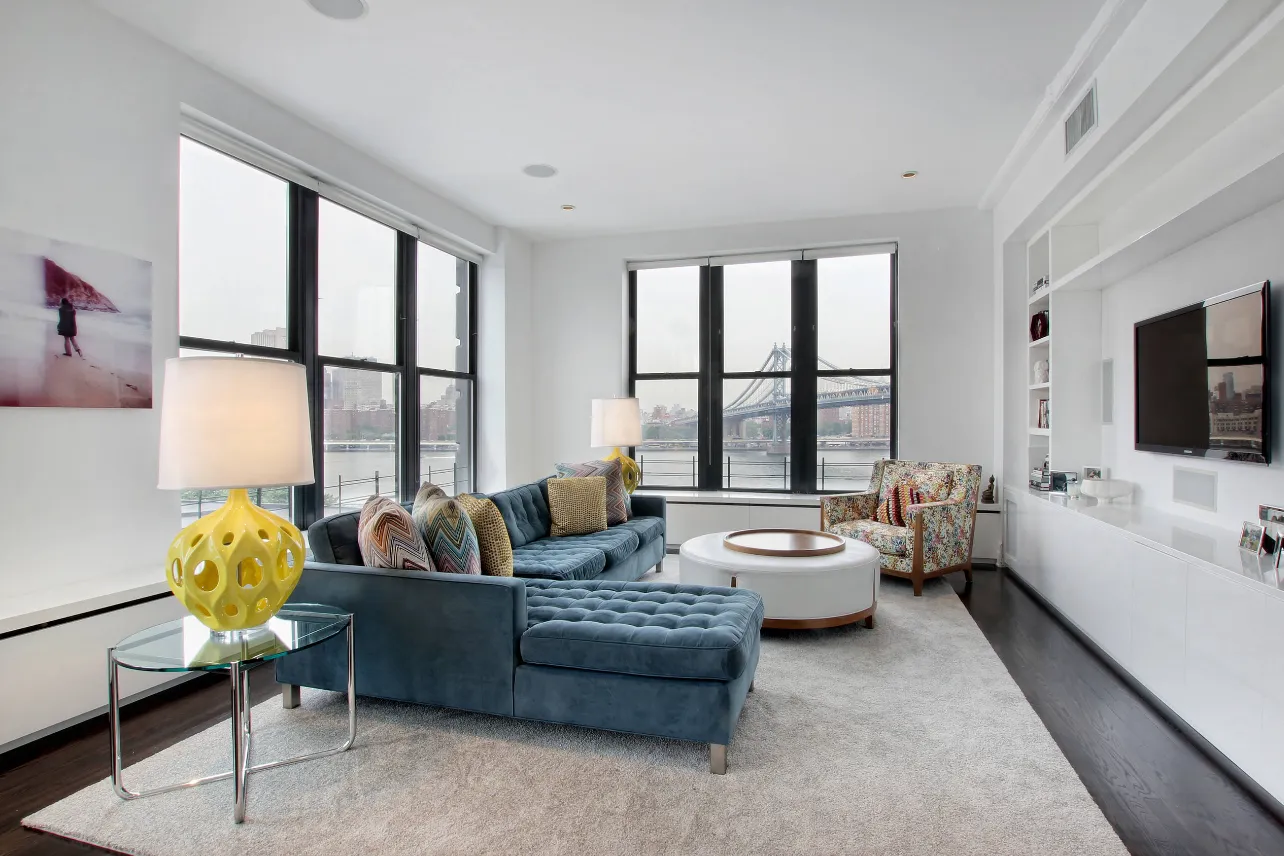
The living room in a loft-style space is the heart of the home, embodying the design's emphasis on social interaction and connectivity. Open layouts mean that the living area seamlessly flows into the dining and kitchen areas, creating a multifunctional space that suits modern lifestyles. Industrial-style furniture, such as metal-framed sofas and reclaimed wood coffee tables, complements the raw aesthetics of the loft while maintaining comfort and functionality.
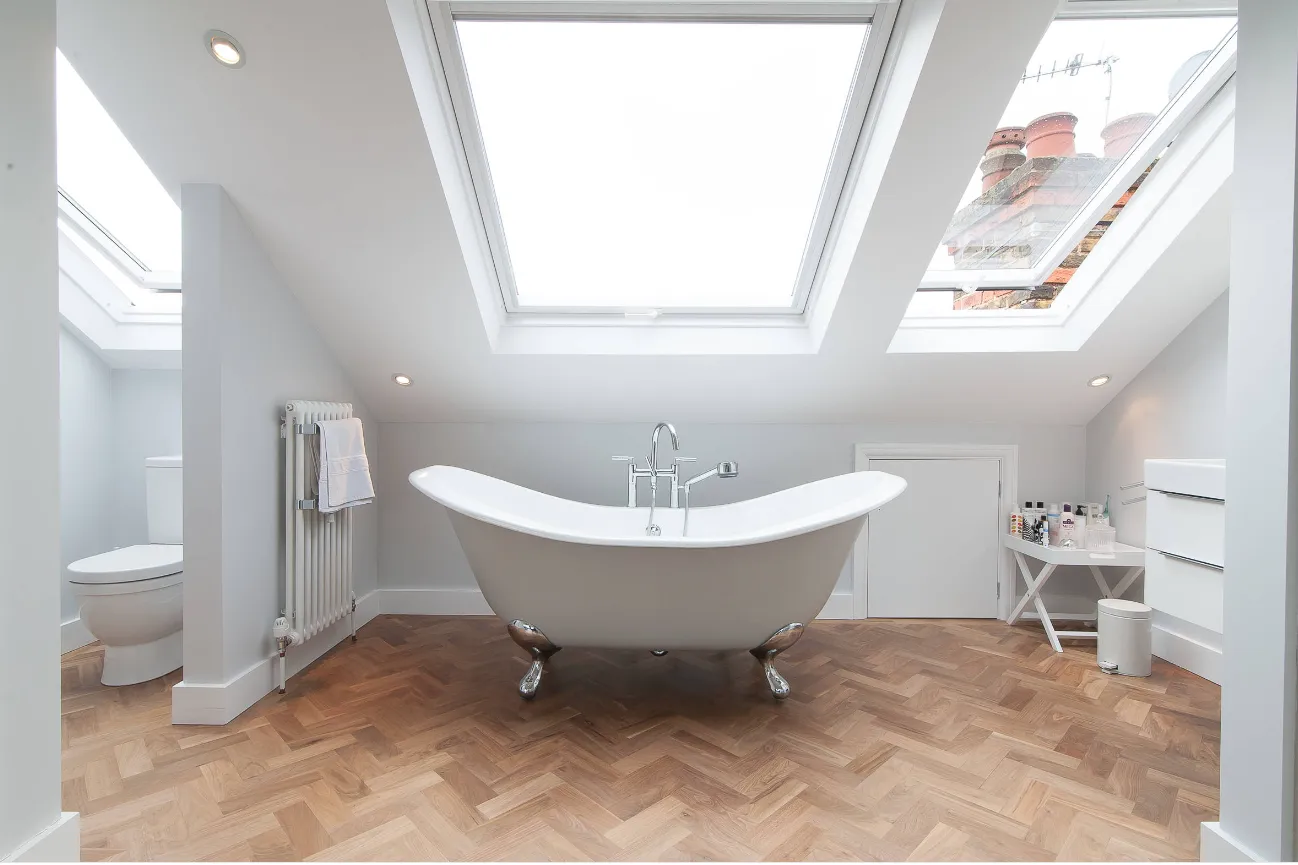
The Bathroom
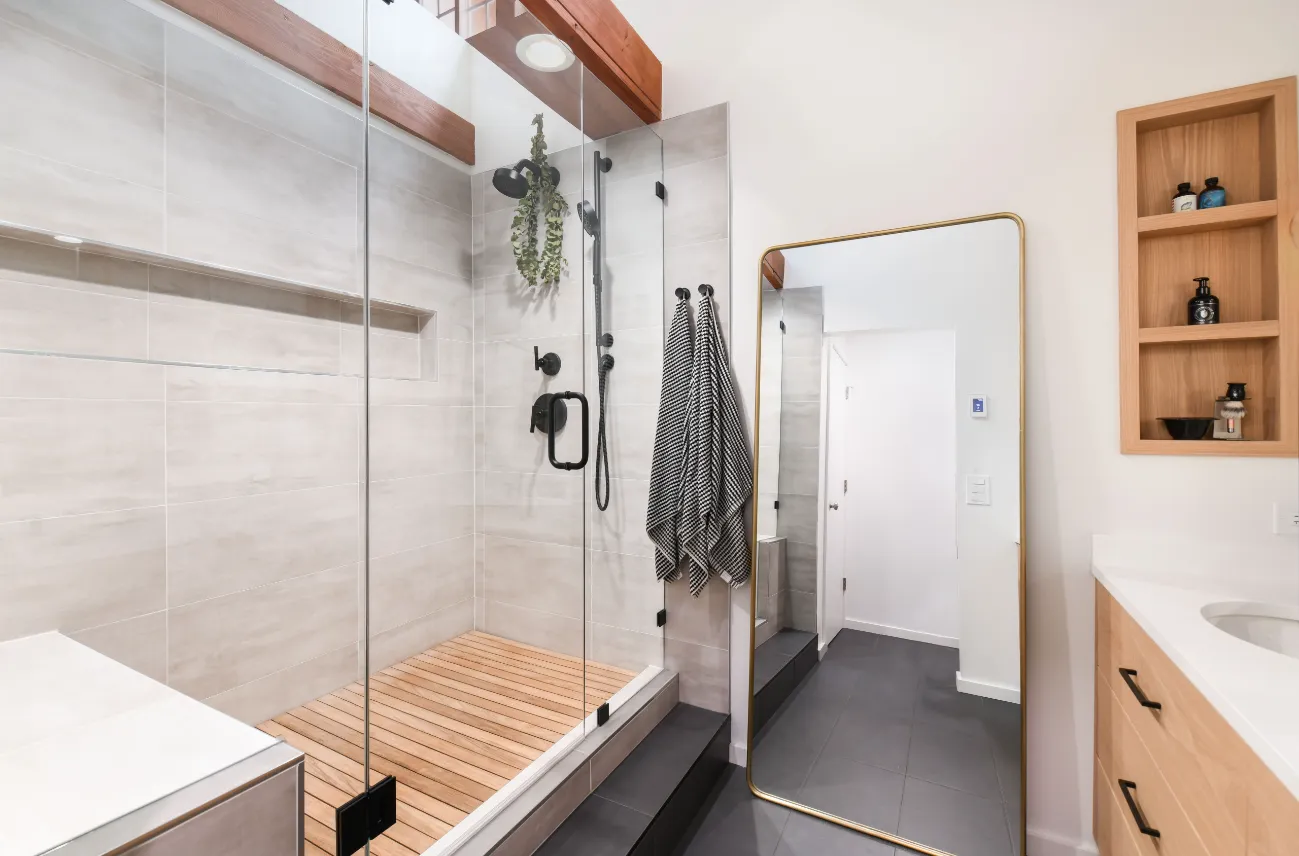
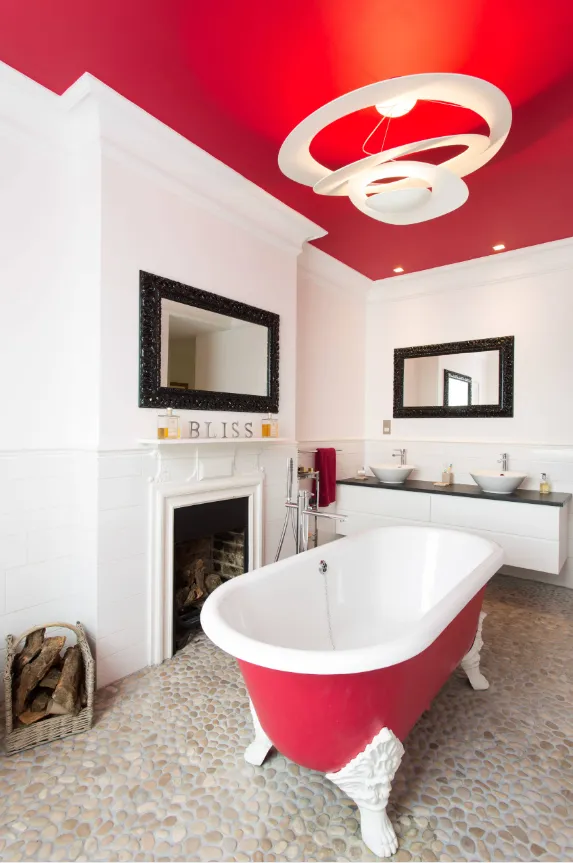
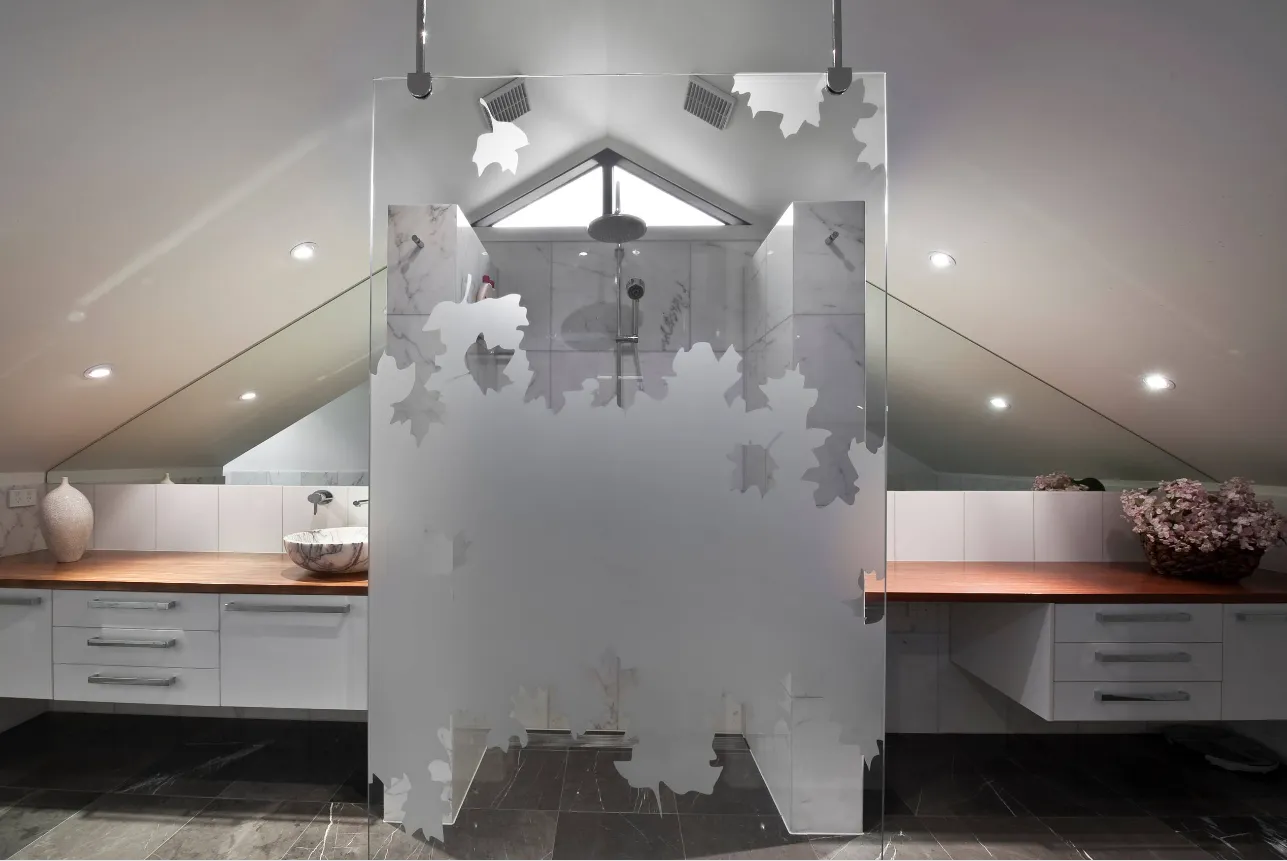
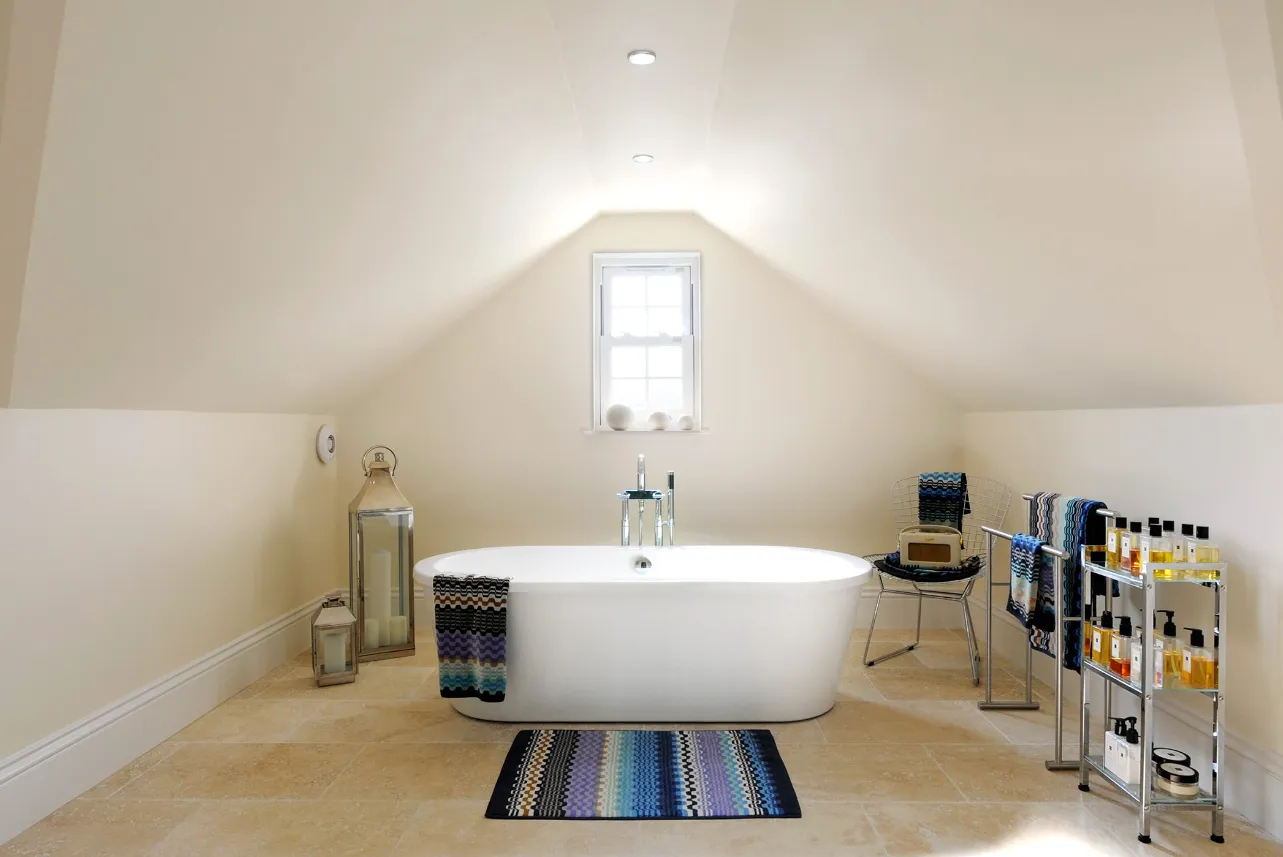
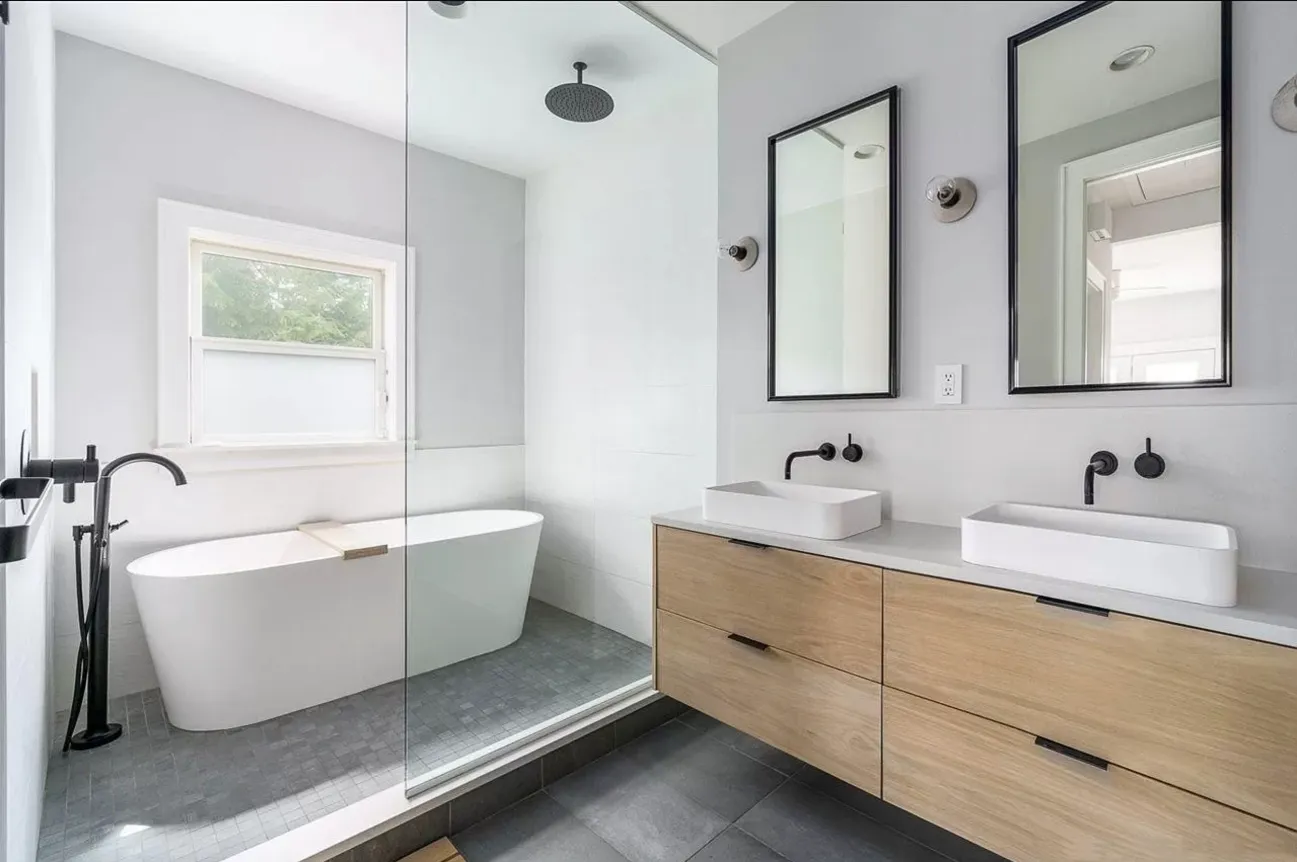
Loft-style bathrooms often embrace an industrial yet luxurious design aesthetic. Concrete or exposed brick walls, combined with sleek fixtures and minimalistic decor, create a captivating juxtaposition. Freestanding bathtubs and open showers with minimal glass partitions enhance the sense of space while maintaining a spa-like atmosphere. Industrial-style lighting and mirrors contribute to the overall design theme.
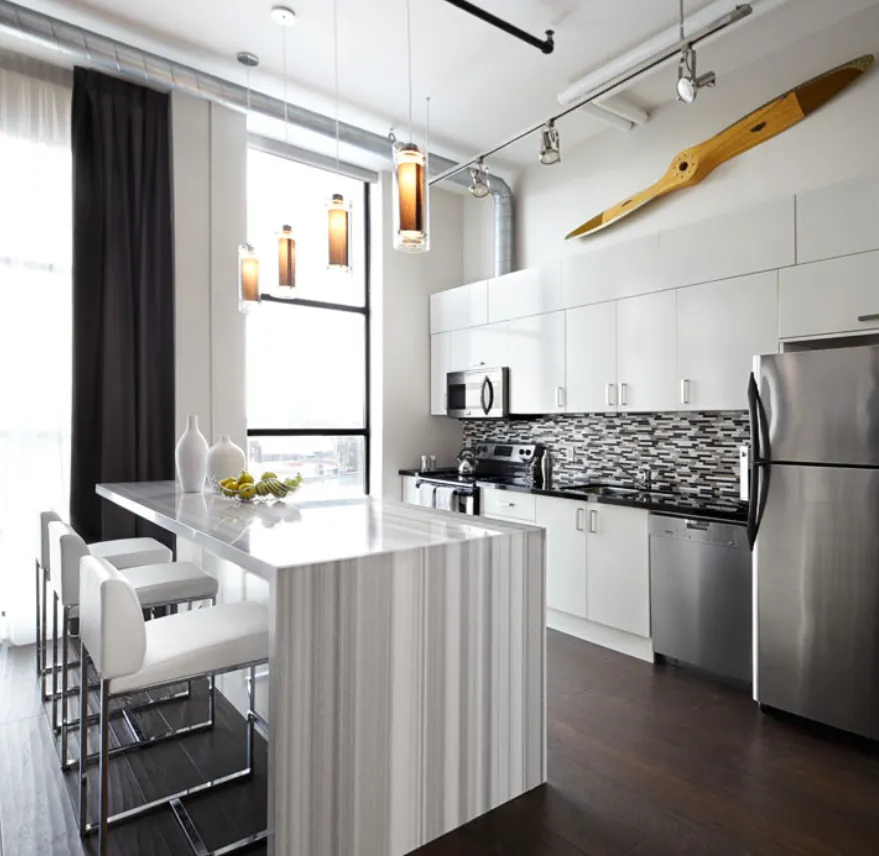
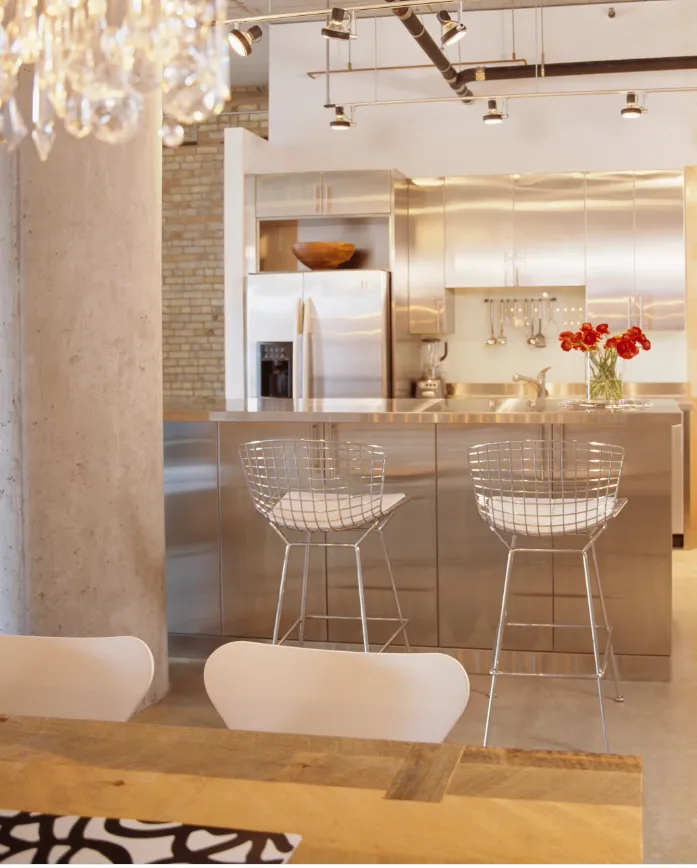
The Kitchen
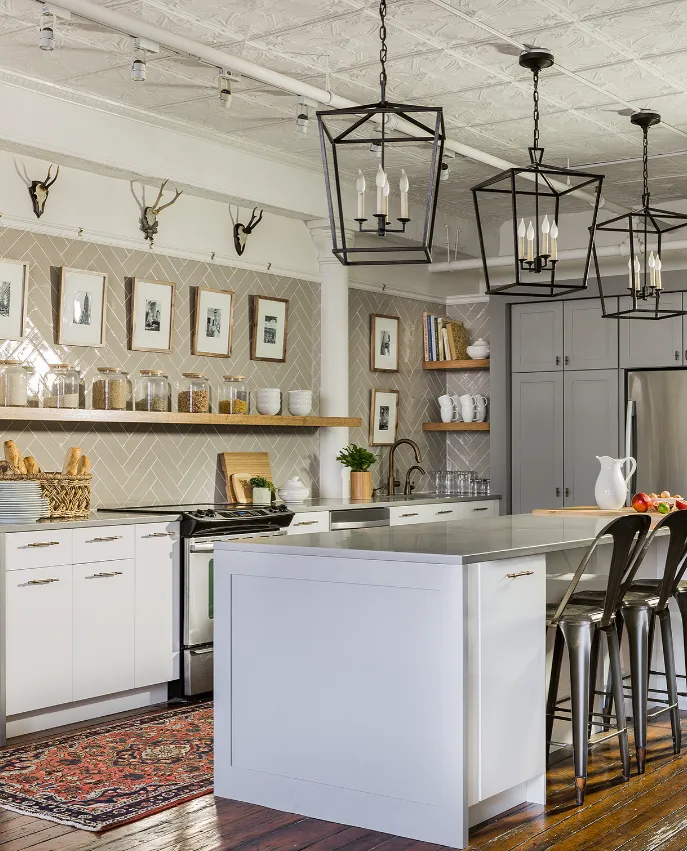
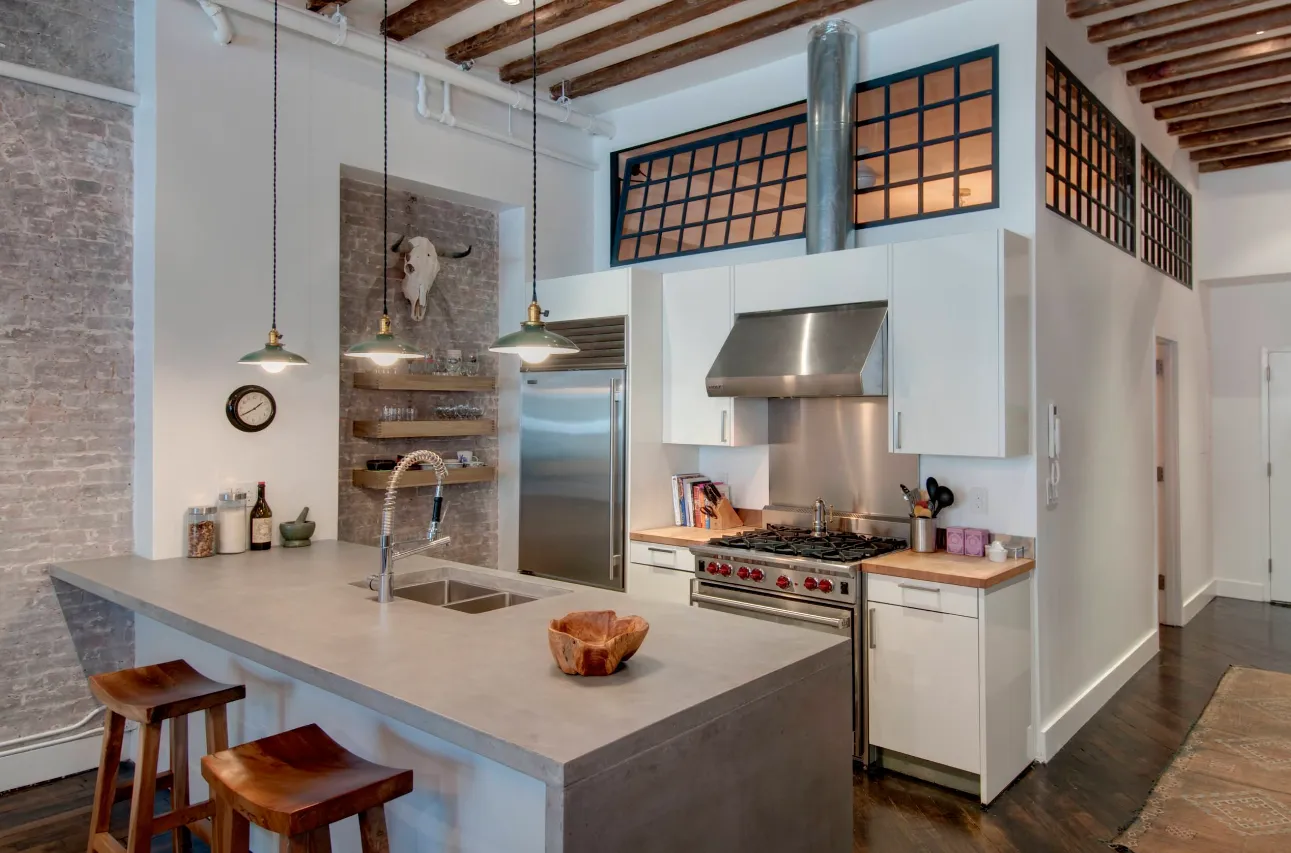
Kitchens in loft-style interiors showcase a blend of industrial and modern design elements. Open shelving, stainless steel appliances, and concrete countertops exude an urban charm while providing practicality. Large kitchen islands serve as both functional workspaces and social hubs, perfect for entertaining guests while preparing meals. Pendant lights with metal accents add a touch of industrial flair.
To sum it all up
Loft style interior design offers a captivating blend of urban sophistication and open living that appeals to those who value modern aesthetics and a dynamic lifestyle. With its industrial heritage and repurposed spaces, the loft concept creates a canvas for personalized creativity while embracing the charm of raw materials and architectural elements. While it may not suit individuals who prioritize traditional or secluded spaces, the loft style resonates with those who seek open, adaptable environments that reflect the energy of city living. From the bedroom to the living room, bathroom, and kitchen, the loft style encourages a harmonious blend of functionality, artistry, and industrial allure.