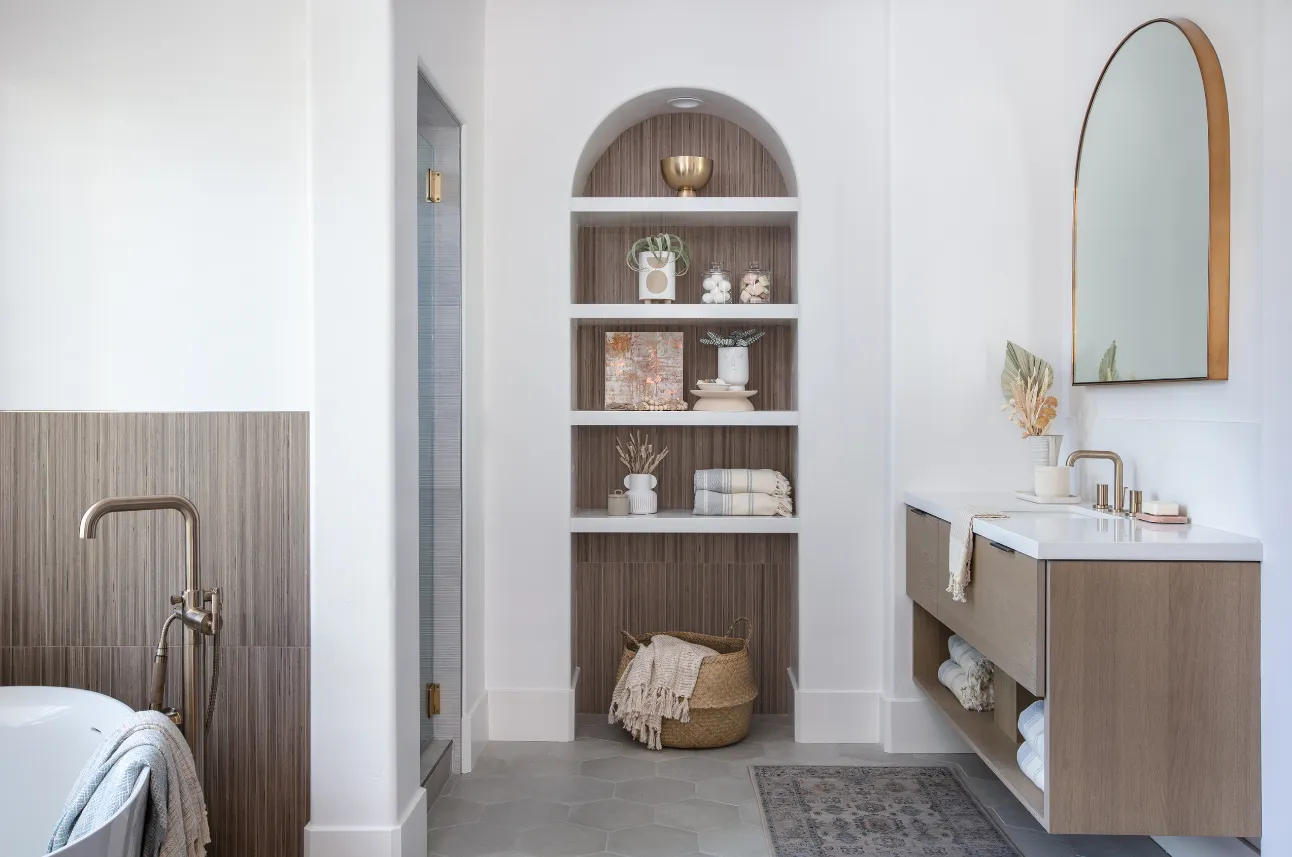
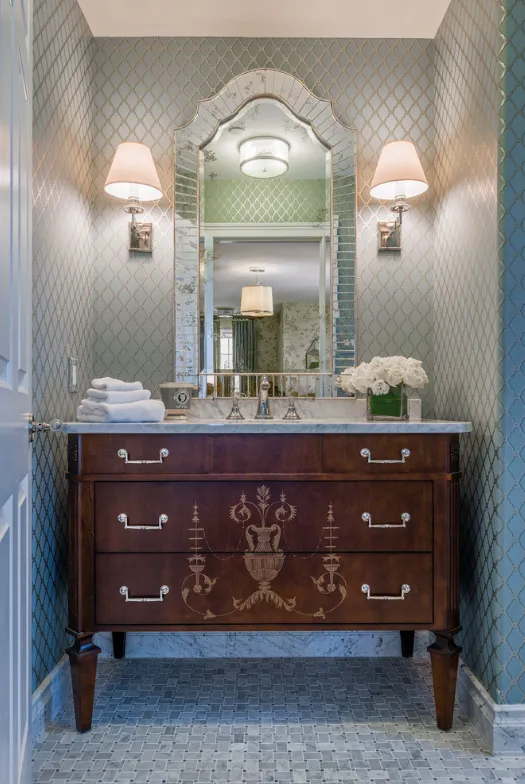
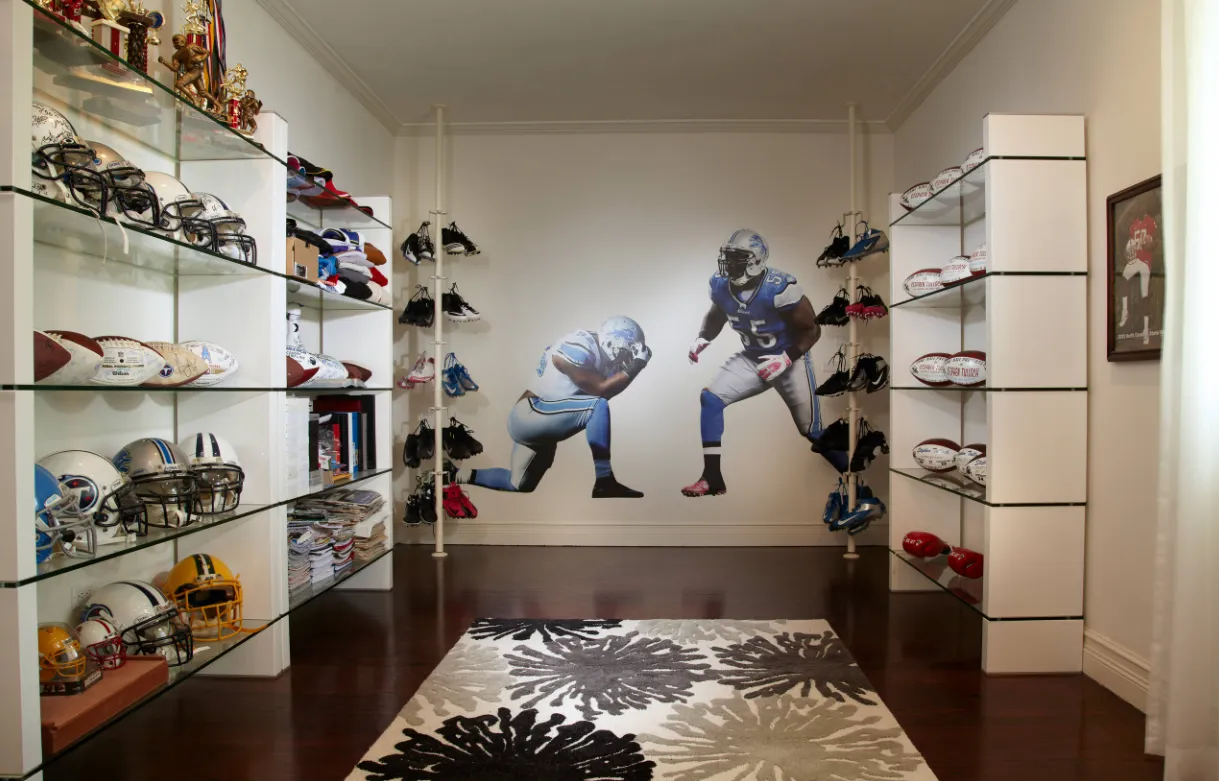
Walls are the largest surface in any home, and the finish you choose sets the mood more than almost anything else. In most Singapore homes, the answer for most walls is still paint. The interesting decisions are about which paint for which room, and whether one or two walls deserve something more: limewash, wallpaper, wainscoting, fluted panels, tiles, stone or microcement.
Singapore's year-round humidity is the main test. EdgeProp reports that wall problems such as uneven patches, slight peeling or mould often appear one to two years after handover, and that ventilation, sunlight, maintenance and application quality all affect how walls age. Finishes that look perfect in a showflat may be hard to touch up after a knock.
HDB flats also have rules: wiring cannot be embedded in walls or plaster, fasteners are limited in size, and replacing wall finishes has thickness limits. This guide compares every common wall finish, then covers how to choose by room, the HDB rules and what to ask your painter or contractor.
Wall finishes options at a glance
| Option | Cost | Durability | Upkeep | Best for |
|---|---|---|---|---|
| Standard emulsion paint | Budget | moderate | low | Most walls and ceilings in bedrooms, living rooms and corridors |
| Specialty paints (anti-mould, washable, low-VOC) | Budget | good | low | Bathrooms, kitchens, kids' rooms and homes with pets |
| Limewash and lime plaster | Upper | moderate | medium | Feature walls in living rooms and bedrooms |
| Textured paint and plaster finishes | Mid-range | good | medium | Feature walls, TV walls and corridors in industrial, rustic or wabi-sabi styles |
| Wallpaper and vinyl wallcoverings | Mid-range | moderate | medium | Bedroom and dining feature walls in air-conditioned, dry rooms |
| Wainscoting and wall moulding | Mid-range | good | low | Living rooms, bedrooms and dining areas in classic, French and colonial styles |
| Fluted and slatted wall panels | Upper | good | medium | TV walls, bed headboards, concealed doors and entrance features |
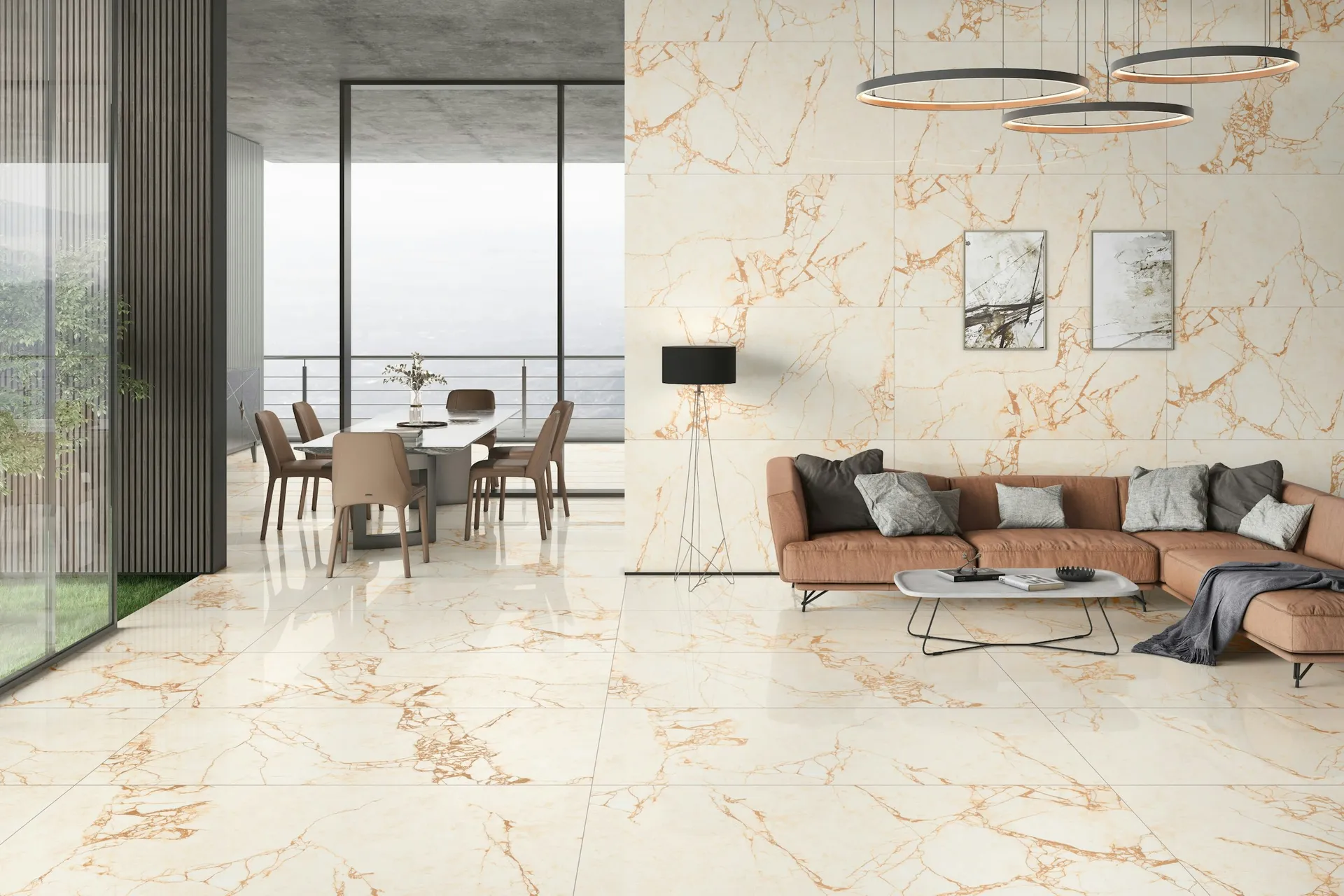
| Feature wall tiles | Mid-range | excellent | low | TV walls, dining walls, backsplashes and entrance features |
| Stone, sintered stone and stone veneer | Premium | excellent | medium | Statement TV walls, entrances and luxury bathrooms in condos and landed homes |
| Microcement walls | Upper | good | medium | Seamless feature walls and dry areas of bathrooms in minimalist or industrial homes |
| Timber cladding and mirror panels | Upper | good | medium | Warm feature walls, small living rooms, dining areas and walk-in wardrobes |
Cost is relative within wall finishes ($ budget to $$$$ premium). Actual prices depend on brand, size and workmanship, so compare itemised quotes.
Standard emulsion paint
- Budget Budget
- Durability: moderate
- Upkeep: low
Water-based interior paint in matte, eggshell or satin sheens. The cheapest and most flexible finish, and easy to repaint when you want a change.
Best for: Most walls and ceilings in bedrooms, living rooms and corridors
Pros
- Lowest cost per square foot of any finish
- Unlimited colours, and easy to change later
- Quick to apply and touch up
- No HDB permit needed for painting
Cons
- Flat matte finishes mark and scuff more easily
- Can peel or bubble on damp walls
- Dark colours show patchy touch-ups
- Cheap paints may need more coats
Most contractors quote painting as a whole-home package, with sealer and two finishing coats. Ask which product and sheen is specified for walls and ceilings, how many coats are included, and whether cracks and holes will be filled and sanded first.
Sheen matters: matte hides wall imperfections but marks more easily, while eggshell and satin are easier to wipe. For bedrooms and living rooms, many homeowners use a washable matte or eggshell.
NEA notes that some interior paints contain formaldehyde as a preservative and recommends choosing green-labelled products and ventilating well after painting. Painting is also a good time to reconsider colour: EdgeProp quotes a designer saying colours should first match the tone of fittings and furniture.
Specialty paints (anti-mould, washable, low-VOC)
- Budget Budget
- Durability: good
- Upkeep: low
Paints formulated for a specific job: resisting mould in humid rooms, standing up to scrubbing in family areas, or emitting less odour and fewer chemicals. A low-cost upgrade where it counts.
Best for: Bathrooms, kitchens, kids' rooms and homes with pets
Pros
- Anti-mould formulas suit kitchens, bathrooms and poorly ventilated rooms
- Washable finishes survive scrubbing of marks and stains
- Green-labelled options limit VOCs and formaldehyde
- Small cost difference over standard paint
Cons
- Will not fix the underlying damp or leak
- Higher-sheen washable paints show wall imperfections
- Labels and claims vary by product, so compare data sheets
- Still needs good surface preparation
EdgeProp quotes a designer who usually recommends anti-mould paint for wet areas such as kitchens and bathrooms, and notes ease of cleaning becomes important in homes with children or pets.
For indoor air, NEA advises choosing low-emission products certified under green labelling schemes (it names the Singapore Environment Council and Singapore Green Building Council programmes), and asking your contractor to use green-labelled products. Ask for the product name so you can check its certificate is current.
Anti-mould paint is a backstop, not a cure. Fix leaks, seal around windows, run exhaust fans and keep rooms ventilated first. Mould returning after repainting usually means moisture is still getting in.
Limewash and lime plaster
- Upper Upper
- Durability: moderate
- Upkeep: medium
Mineral, lime-based finishes applied by brush or trowel for a soft, cloudy, matte look with natural variation. A favourite for Japandi, Mediterranean and French-inspired homes.
Best for: Feature walls in living rooms and bedrooms
Pros
- Soft, textured, natural look that paint cannot copy
- Breathable mineral finish
- Works with warm, earthy and neutral palettes
- Can also be used on ceilings and furniture fronts
Cons
- Hard to touch up invisibly; stains often need a fresh coat
- Not ideal for high-traffic walls that get knocked or wiped
- Cracks can appear in wet, humid areas
- Labour-intensive and pricier than paint
Qanvast's 2025 limewash guide quotes a designer's estimate of $10 to $20 psf including labour, at least $1,000 for a living room feature wall, and up to about $4,000 for a whole five-room flat or executive maisonette. One designer estimated the colour lasts about four to five years.
Designers in the article advise against limewash in wet areas for owners who cannot accept eventual cracks, and note stains are hard to clean. EdgeProp adds that limewash suits bedrooms and living areas more than walls that are touched often, and that limewash, lime paint and textured paint are different products.
Limewash bonds best to porous surfaces such as plaster; on dry partition walls, a sealer and primer are usually needed first. See the Japanese and French concepts.
Textured paint and plaster finishes
- Mid-range Mid-range
- Durability: good
- Upkeep: medium
Trowelled or sprayed finishes such as textured paint, rock-stone and cement-sand finishes, and decorative plasters. They add depth and hide minor wall flaws.
Best for: Feature walls, TV walls and corridors in industrial, rustic or wabi-sabi styles
Pros
- Adds texture and character without panels
- Hides small cracks and uneven walls
- No HDB permit needed for these finishes
- Wide range of looks, from subtle to rough
Cons
- Rough textures trap dust and are harder to clean
- Difficult to repair invisibly
- Heavy textures are hard to remove later
- Quality depends on the applicator
HDB lists wallpaper, cement and sand plastering, gypsum plastering, rock-stone finish and spray painting as wall finishes that need no permit, provided pre-packed material is used for plastering.
The exception is the household shelter: HDB does not allow rock-stone, cement-sand or gypsum plaster finishes on the shelter's internal walls. You may apply spatterdash or similar to the shelter's external face to form a key for panels or tiles.
EdgeProp notes textured finishes, like limewash, are hard to touch up because they cure differently depending on when they were applied. Ask for a sample board in your lighting before committing, and keep spare material. See the Industrial and Rustic concepts.
Wallpaper and vinyl wallcoverings
- Mid-range Mid-range
- Durability: moderate
- Upkeep: medium
Printed or textured wallcoverings in paper, non-woven, vinyl, textile or grasscloth, plus custom murals. A fast way to add pattern to a feature wall.
Best for: Bedroom and dining feature walls in air-conditioned, dry rooms
Pros
- Huge range of patterns, textures and custom murals
- Quick to install with little mess
- Vinyl types are wipeable and hard wearing
- No HDB permit needed
Cons
- Can lift, bubble or grow mould on damp walls
- Seams and edges can peel in humid, unventilated rooms
- Natural and textile papers stain and are hard to clean
- Removal can damage the wall surface
Houzz Singapore notes that HDB flats have limited wall space, so wallcoverings are often used on a single feature wall, and that vinyl wallcoverings suit high-traffic areas. Natural, handcrafted and textile papers cost more.
Humidity is the main risk in Singapore. Make sure the wall is dry and sound, ask the installer about primers and mould-resistant adhesive, and avoid walls with any history of seepage, such as walls shared with bathrooms or facing the weather. Vinyl wallcoverings are the safer choice for dining areas and corridors.
Wallpaper is a good option for renters or owners who change their minds often, because it can be removed without hacking. See the Bohemian and Victorian concepts.
Wainscoting and wall moulding
- Mid-range Mid-range
- Durability: good
- Upkeep: low
Decorative panelling or applied mouldings on the lower or full height of a wall, usually painted. Brings a French, classic or colonial feel to plain walls.
Best for: Living rooms, bedrooms and dining areas in classic, French and colonial styles
Pros
- Adds architecture and shadow to flat walls
- Lower panels protect walls from chair and trolley knocks
- Painted finish is easy to refresh
- Works on half-height or full-height walls
Cons
- Adds labour cost over plain paint
- Moulding joints can crack if poorly fixed
- Collects dust on ledges
- Needs careful setting out around switches and sockets
Houzz Singapore quotes a stylist who has seen wainscoting return, including half-wall versions in modern homes, not just classic ones. Cost depends on area, materials and labour.
Mouldings are usually MDF, polyurethane or polystyrene profiles fixed to the wall and painted. In humid rooms, ask whether the material resists moisture. In HDB flats, fixings into walls must follow HDB's fastener limits (6mm diameter and 40mm penetration for timber or mirror wall panels).
Plan panel layouts around switches, sockets, aircon trunking and furniture before installation. See the French, Classic and Victorian concepts.
Fluted and slatted wall panels
- Upper Upper
- Durability: good
- Upkeep: medium
Vertical ribbed or slatted panels in MDF, WPC (wood-plastic composite), PVC or polystyrene, or solid timber, often used on TV walls, headboards and to hide doors.
Best for: TV walls, bed headboards, concealed doors and entrance features
Pros
- Strong texture and rhythm, with shadows that change through the day
- Can conceal doors, storage and wiring
- Many material and colour choices
- Pairs well with cove or strip lighting
Cons
- Grooves collect dust
- MDF can swell if exposed to moisture
- Real timber moves with humidity and costs more
- Can feel dated if overused in a small flat
Fluted panels are usually built as carpentry, so they are often priced per square foot or per foot run with the rest of your carpentry. Ask what the core is (MDF, WPC, PVC or timber), what the surface is (laminate, veneer, paint or film), and how the ends and corners are finished.
In Singapore humidity, moisture-resistant cores are safer near kitchens and bathrooms. NEA notes composite wood products can emit formaldehyde and recommends green-labelled products and ventilating well before moving in.
Because HDB does not allow wiring to be embedded in walls or plaster, slatted panels are a neat way to hide TV and speaker cables. See our carpentry finishes guide and the Japanese and Modern concepts.
Feature wall tiles
- Mid-range Mid-range
- Durability: excellent
- Upkeep: low
Tiles used on a living or dining wall rather than in wet areas: marble-look porcelain, 3D and textured tiles, subway, kit-kat or terrazzo. Durable and easy to clean.
Best for: TV walls, dining walls, backsplashes and entrance features
Pros
- Very durable and wipeable
- Large marble-look tiles give a stone effect for less
- Huge range of shapes and textures
- No permit needed when overlaid within HDB limits
Cons
- Permanent; removal means hacking
- Adds weight and thickness to the wall
- Drilling into tiles for shelves or TVs needs care
- Grout lines can clash with clean, modern looks
In HDB flats, laying wall finishes over existing finishes with adhesive needs no permit, as long as the new finish is no more than 13mm thick and there is no third layer. Replacing internal wall finishes up to ceiling level needs a permit, with total thickness including plaster no more than 25mm, and bare HDB concrete walls must not be hacked to form a key (spatterdash is used instead).
Plan the TV bracket, sockets and any shelves before tiling so fixings land in the right place. See our tiles guide for tile types and sizes.
Stone, sintered stone and stone veneer
- Premium Premium
- Durability: excellent
- Upkeep: medium
Real marble or granite slabs, thin sintered stone or porcelain slabs, or flexible stone veneer sheets used to create a luxurious feature wall.
Best for: Statement TV walls, entrances and luxury bathrooms in condos and landed homes
Pros
- Premium, natural look with real depth
- Book-matched slabs create dramatic veining
- Sintered and porcelain slabs resist stains and heat
- Very long lasting
Cons
- Highest cost per square foot of wall finishes
- Heavy slabs need strong fixing and skilled installers
- Real stone is porous and needs sealing
- Hard to modify once installed
Slab walls are fabricated and installed by stone specialists. Ask about slab thickness and weight, how the slabs are fixed (adhesive, mechanical fixings or both), how joints are matched, and how sockets and TV brackets are cut.
In HDB flats, the same wall finish rules apply as for tiles: overlays with adhesive must be no thicker than 13mm, and full replacements are limited to 25mm including plaster, so thick stone slabs may not fit within the limits. Check the total build-up with your contractor before choosing.
Thin sintered or porcelain slabs are lighter and lower maintenance than natural stone. For more on sintered stone, see our countertops guide, and the Luxury concept.
Microcement walls
- Upper Upper
- Durability: good
- Upkeep: medium
A thin polymer-modified cement coating trowelled onto walls for a seamless, concrete-like or soft stone look, often matched with microcement floors.
Best for: Seamless feature walls and dry areas of bathrooms in minimalist or industrial homes
Pros
- Seamless, joint-free surface
- Only 2 to 3mm thick, so it can go over existing tiles
- Matches microcement floors and counters for a continuous look
- Many colours and textures
Cons
- Relies on a sealer for water and stain resistance
- Cracks in the wall behind can show through
- Skilled labour makes it pricier than paint
- Not advised where water pools or runs constantly
Qanvast's 2026 guide estimates microcement at roughly $175 to $250 per square metre (about $16 to $23 psf), applied in about 5 to 6 layers. It can often go over existing tiles if they are sound, but the sealer wears over time and may need reapplying.
On walls, microcement is lower risk than on shower floors, but in bathrooms keep it to areas outside the direct shower spray unless the installer can show a proven wet-area system. Ask about the base mesh, the sealer, and the warranty against cracking.
See the Minimalist and Industrial concepts.
Timber cladding and mirror panels
- Upper Upper
- Durability: good
- Upkeep: medium
Solid timber or veneered boards fixed to the wall, and mirror panels used to make small rooms feel larger. Both are allowed in HDB flats without a permit within fixing limits.
Best for: Warm feature walls, small living rooms, dining areas and walk-in wardrobes
Pros
- Timber adds warmth and acoustic softness
- Mirrors make small HDB rooms feel larger and brighter
- No HDB permit needed
- Can hide uneven walls
Cons
- Timber moves with humidity and needs a good finish
- Mirrors show fingerprints and need regular cleaning
- Large mirrors need careful handling and safe fixing
- Timber is combustible, so avoid it near hobs
HDB lists solid timber and mirror wall panels as needing no permit, provided all fasteners (screws, nails, bolts) are no more than 6mm in diameter and 40mm in penetration depth.
For timber, ask about species or veneer, finish, moisture content and how expansion is allowed for. For mirrors, ask about edge polishing, safety backing film and fixing method. A mirror opposite a window can make a small living room feel noticeably brighter. See the Scandinavian and Muji concepts.
How to choose wall finishes, room by room
- Living and dining: washable paint for most walls, with one feature wall in limewash, fluted panels, wallpaper, tiles or stone.
- Bedrooms: matte or eggshell paint; wallpaper or limewash behind the bed.
- Kitchen: tiles, glass or sintered stone for the backsplash, and anti-mould, washable paint elsewhere.
- Bathrooms: tiles remain the reliable choice in shower zones. Anti-mould paint for ceilings and any painted walls.
- Kids' rooms and homes with pets: washable paint and lower wainscoting panels that can take knocks.
A useful rule is one feature, not five. In a small flat, a single well-lit feature wall usually looks better than several competing finishes.
Singapore humidity and mould
EdgeProp reports that common wall problems include peeling, bubbling, cracking and mould in poorly ventilated areas, and that subtler issues such as dull patches can appear one to two years after handover. Before choosing any finish:
- Fix the cause first. Leaks from windows, bathrooms or neighbouring units, and condensation from aircon pipes, will ruin any finish.
- Ventilate. Run exhaust fans and open windows, especially after showers and cooking.
- Prepare properly. Ask how cracks are filled, whether a sealer or primer is used, and how damp walls are treated.
- Pick for the room. Limewash, natural wallpapers and MDF panels are best kept to dry, air-conditioned rooms.
HDB rules for walls
From HDB's building works and electrical works guidelines:
- No permit: wallpaper, cement and sand plastering, gypsum plastering, rock-stone finish and spray painting (pre-packed plaster must be used), and solid timber or mirror wall panels (fasteners up to 6mm diameter and 40mm penetration).
- Overlay with adhesive: no permit, but the new finish must not exceed 13mm, existing finishes must not be tampered with, and no third layer is allowed.
- Replacing internal wall finishes up to ceiling level: permit required, total thickness including plaster no more than 25mm.
- Bathroom wall finishes in new flats: cannot be replaced in the first 3 years from the block's completion.
- Wiring: HDB does not allow wiring to be embedded in RC slabs, beams, columns, walls, wall plaster or other finishes. Surface wiring is usually covered with PVC trunking, carpentry or a false ceiling.
- Household shelter: painting is allowed (but not over the door notice, locking bolts or door seal); wall tiles and plaster or rock-stone finishes on internal shelter walls are not.
Your HDB-registered contractor handles any permit; see our HDB renovation permit guide. Condo owners should check MCST by-laws.
What to ask your painter or contractor
- Which product and sheen for each room, and is it green-labelled?
- How many coats, and is a sealer or primer included?
- Are ceilings, doors and window grilles included in the painting package?
- How will cracks, holes and damp patches be repaired before painting?
- For specialty finishes: can I see a sample in my own lighting, and how are touch-ups done?
- For panels: what is the core material, and how is it fixed?
Budget and common mistakes
Paint is the cheapest finish per square foot, so save feature budgets for one or two walls. Qanvast quotes designers estimating limewash at $10 to $20 psf and microcement at about $16 to $23 psf; panels, tiles and stone are usually priced with carpentry or tiling.
Common mistakes: limewash or wallpaper on walls that get knocked, wiped or damp; choosing colours under showroom lighting; panelling before deciding TV and socket positions; and forgetting that NEA recommends ventilating well after painting and installing composite wood before moving in.
Planning with JIAHOME
We show feature walls in 3D before anything is built and list every finish and area in an unpriced quotation, so contractors price the same scope. See our services.