Design ideas
Storage ideas for small homes: practical fixes for Singapore flats
Start by deciding what you actually need to keep, then use the full wall height, hidden spaces and furniture that does two jobs. In HDB flats, plan around the rules for the household shelter, corridors and aircon ledges.
 Rayden Nyoe4 min read
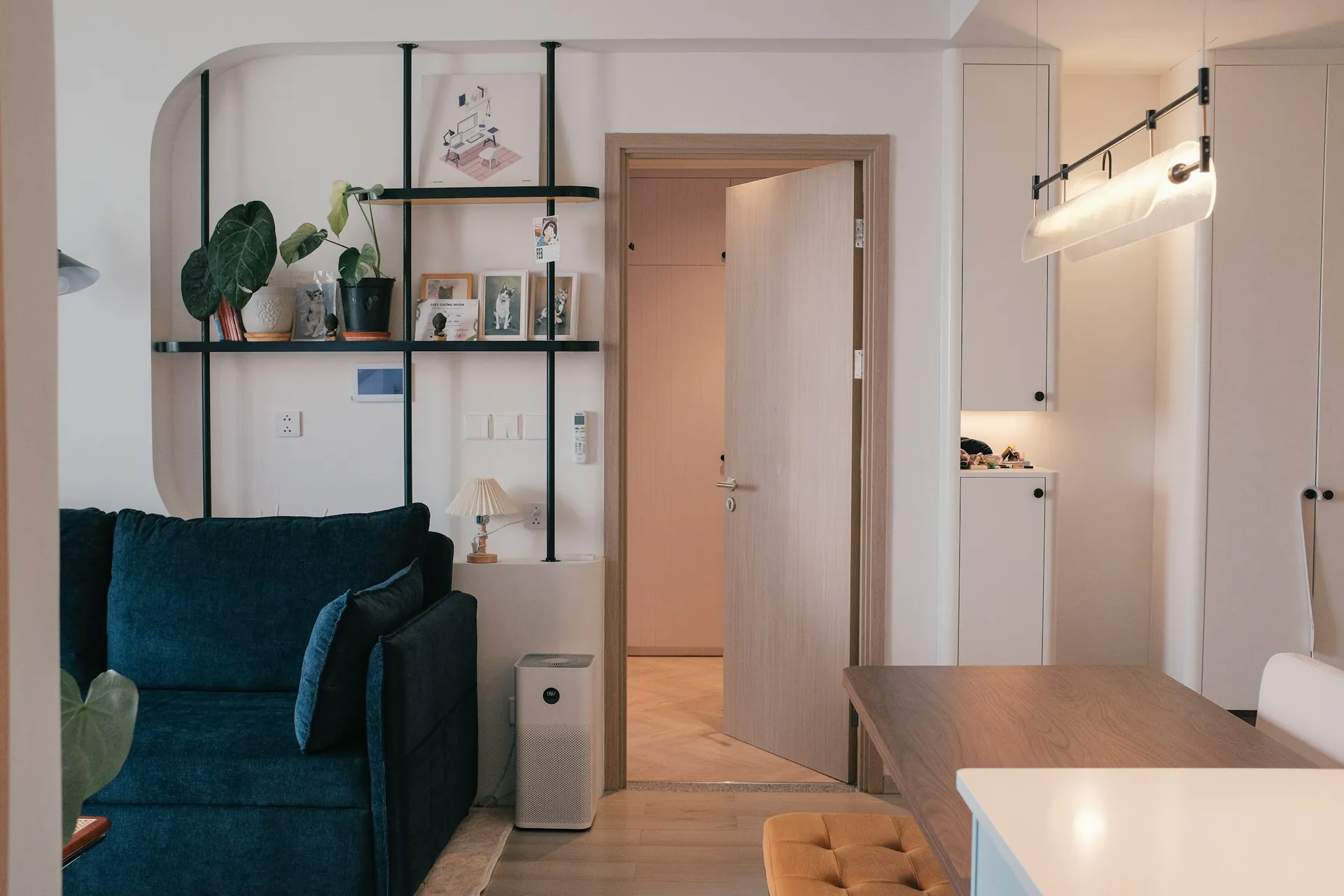
Short answer: declutter first, then build storage that uses the full wall height, hides in places you already have (under the bed, above doors, in the household shelter) and comes from furniture that does two jobs. In an HDB flat, plan around a few rules: the household shelter must stay easy to clear, the common corridor is not storage, and the aircon ledge is only for the aircon.
1. Start with an inventory, not a carpenter
Before designing any storage, list what you need to store and where you use it: shoes and bags at the door, pantry items in the kitchen, linen near the bedrooms, tools and luggage somewhere out of the way. Storage built for a list works. Storage built for "as much as possible" usually fills up with things you do not use.
A quick sort helps: keep, donate, sell, discard. Then measure the big items that need a home (luggage, the vacuum, a stroller, a bicycle).
2. Go full height
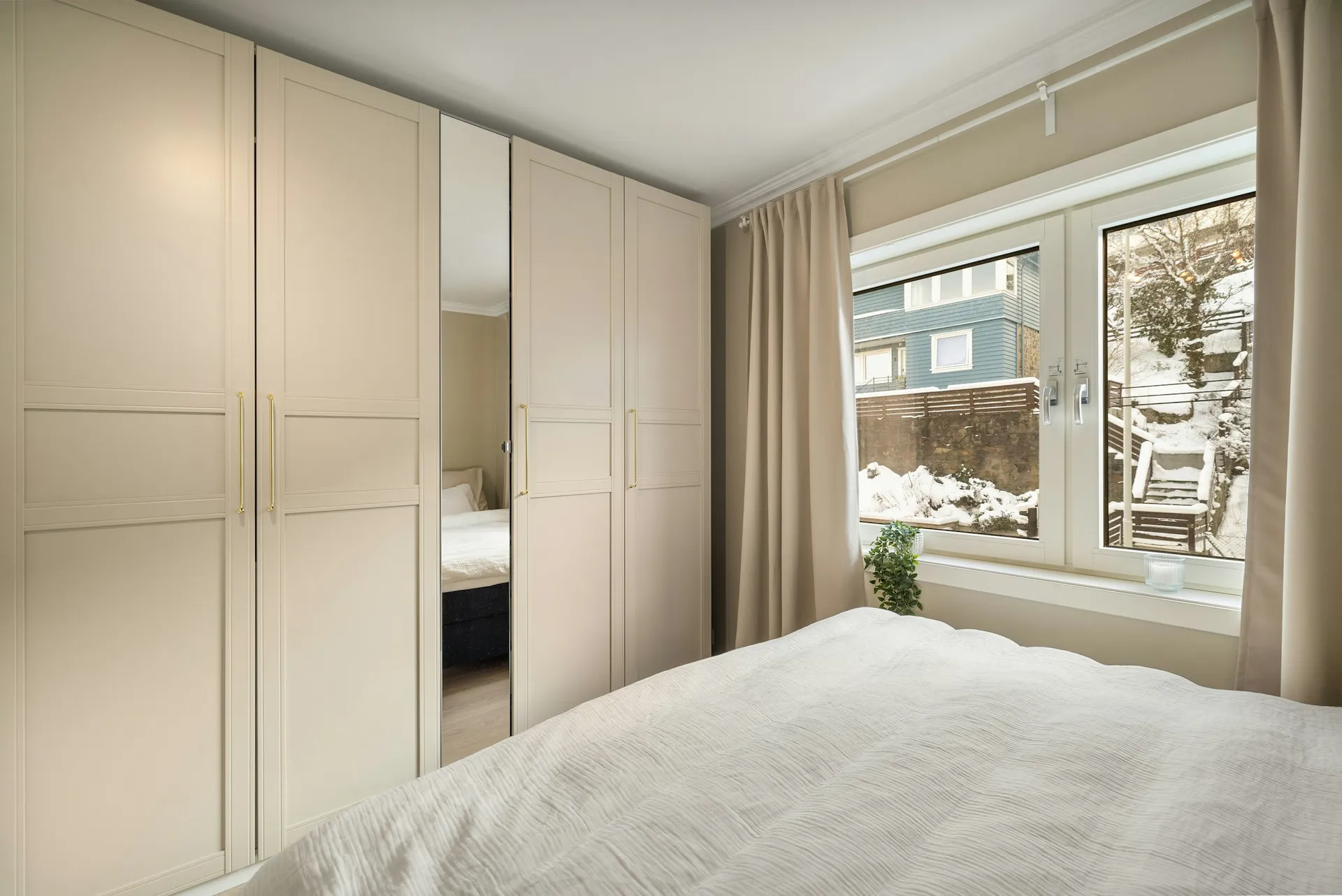
The space between 2 metres and the ceiling is often wasted. Full-height wardrobes, kitchen cabinets and shoe cabinets use it for things you rarely need: seasonal clothes, spare bedding, festive decorations. Our wardrobes guide and post on built-in vs freestanding wardrobes explain the trade-offs.
3. Use the space above doors and along corridors
A shallow shelf or cabinet above an internal door or along an internal corridor wall holds books or boxes without taking floor space. Keep it shallow, around 30cm, so it does not feel heavy. On gypsum partitions, HDB limits fasteners to 6mm in diameter and 40mm in penetration depth, so plan heavy loads on solid walls.
4. Store under the bed
Beds with drawers or lift-up bases are one of the most effective storage pieces in a small flat. Note that if you build a timber joist platform under HDB's hardwood platform guidelines, HDB does not allow storage in the void within the platform, and the sides must be sealed. Storage beds and drawer platforms are built differently, so confirm the construction with your contractor. See our beds and platforms guide.
5. Make the household shelter a storeroom, within the rules
SCDF allows drilling into the shelter's internal walls and ceiling no deeper than 50mm for non-metallic inserts and removable screws, and fixed shelves or cabinets must be removable within 48 hours of notification. Freestanding shelving is the simplest answer. Our post on household shelter storage ideas covers what you can and cannot do.
6. Choose furniture that does two jobs
- Storage bench at the entrance or dining table.
- Ottoman or coffee table with a lift-up lid.
- Sofa bed or daybed with drawers for a study that doubles as a guest room.
- Extendable dining table that stays compact day to day. See dining tables and sofas.
7. Plan a proper shoe cabinet inside the flat
SCDF's guidelines on HDB common areas say corridors need at least 1.2 metres of clear width for ambulance crews and wheelchair users. A small shoe rack can be acceptable if that clearance remains, but staircases and landings must be kept clear at all times, and nothing may be stored in hose reel or riser compartments. Excessive storage of combustibles in the corridor is flagged as a hazard. The safe plan is a shoe cabinet inside your flat, sized for your household.
8. Keep the aircon ledge clear
HDB's air-conditioner guidelines say the ledge is strictly for the condensing unit, and the Town Council requires it to be kept clean and free of obstruction. Do not plan it as outdoor storage.
9. Work the kitchen harder
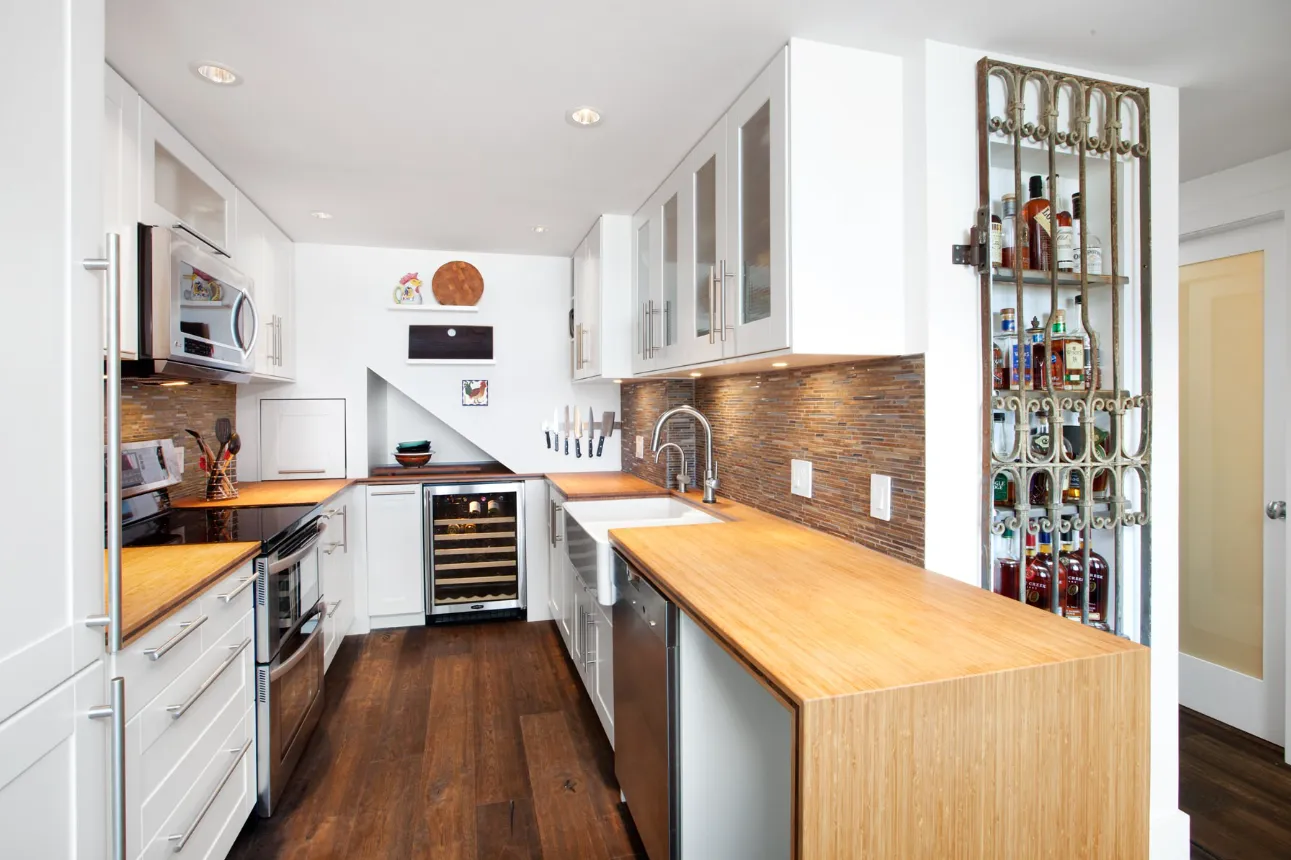
- Tall pantry units from floor to ceiling.
- Inner drawers inside deep base cabinets.
- Corner solutions so the blind corner is usable.
- Rails and hooks on the backsplash for daily tools.
HDB notes that some kitchens have enclosed sanitary ducts with a weephole that warns of leaks, and that weepholes must not be sealed or blocked by carpentry. Check before your cabinet layout is fixed. See kitchen cabinets.
10. Use the service yard wisely
A ceiling-mounted drying rack in the kitchen or service yard needs no HDB permit, with fasteners no larger than 6mm in diameter and 40mm in penetration depth. A slim cabinet for detergents and cleaning tools keeps the yard tidy. Avoid blocking floor traps.
11. Plan for heavy items
HDB allows equipment up to 150kg without a permit. Aquariums on a rack or cabinet have their own limit of 600kg per room, including water, sand and accessories. Large safes, heavy bookshelves and aquariums deserve a planned spot against a solid wall.
12. Leave room to breathe
The Meteorological Service Singapore records mean relative humidity of around 82%. Tightly packed, closed cabinets against external walls can trap moisture. Leave some ventilation, use moisture absorbers in closed storage, and avoid packing fabric and leather into airless corners.
Common storage mistakes
- Building carpentry everywhere. It is the biggest cost in most renovations. Our carpentry cost guide explains why.
- Shelves that are too deep. Things get lost at the back.
- No space for daily items. Keys, bags and chargers need a landing spot near the door.
- Forgetting the vacuum and ironing board. They need a full-height slot somewhere.
- Copying a showroom. Storage should fit your list, not someone else's.
For layout ideas in compact living spaces, see our small HDB living room ideas. Styles that naturally keep clutter out of sight include Muji home and minimalist interiors.
How JIAHOME helps
We plan storage around how you live, mark what should be built in and what should be freestanding, and show it in 3D before anything is built. You get a quotation listing every item without prices, plus a supplier list if you want to manage the project yourself. See our services.
FAQ
Frequently asked questions
Can I store items along my HDB corridor?
Very little. SCDF guidelines call for at least 1.2 metres of clear corridor width, staircases and landings must be kept clear, and nothing may be stored in hose reel or riser compartments. Plan storage inside your flat instead.
Can I use my aircon ledge for storage?
No. HDB says the aircon ledge is strictly for the condensing unit, and the Town Council requires it to be kept clean and free of obstruction.
Can I use the household shelter as a storeroom?
Yes, within SCDF rules. Drilling must not exceed 50mm for non-metallic inserts and removable screws, and fixed shelves or cabinets must be removable within 48 hours of notification. Freestanding shelving is easiest.
What is the best storage idea for a small bedroom?
A full-height wardrobe plus a bed with drawers or a lift-up base usually adds the most storage without taking extra floor space.
Find your style