Renovation guides
Mould in your house in Singapore: why it grows and how to design it out
Mould thrives on Singapore's humidity, condensation and leaks. Fix the moisture source first, clean hard surfaces with detergent and water, and design ventilation into bathrooms, wardrobes and storage.
 Rayden Nyoe4 min read
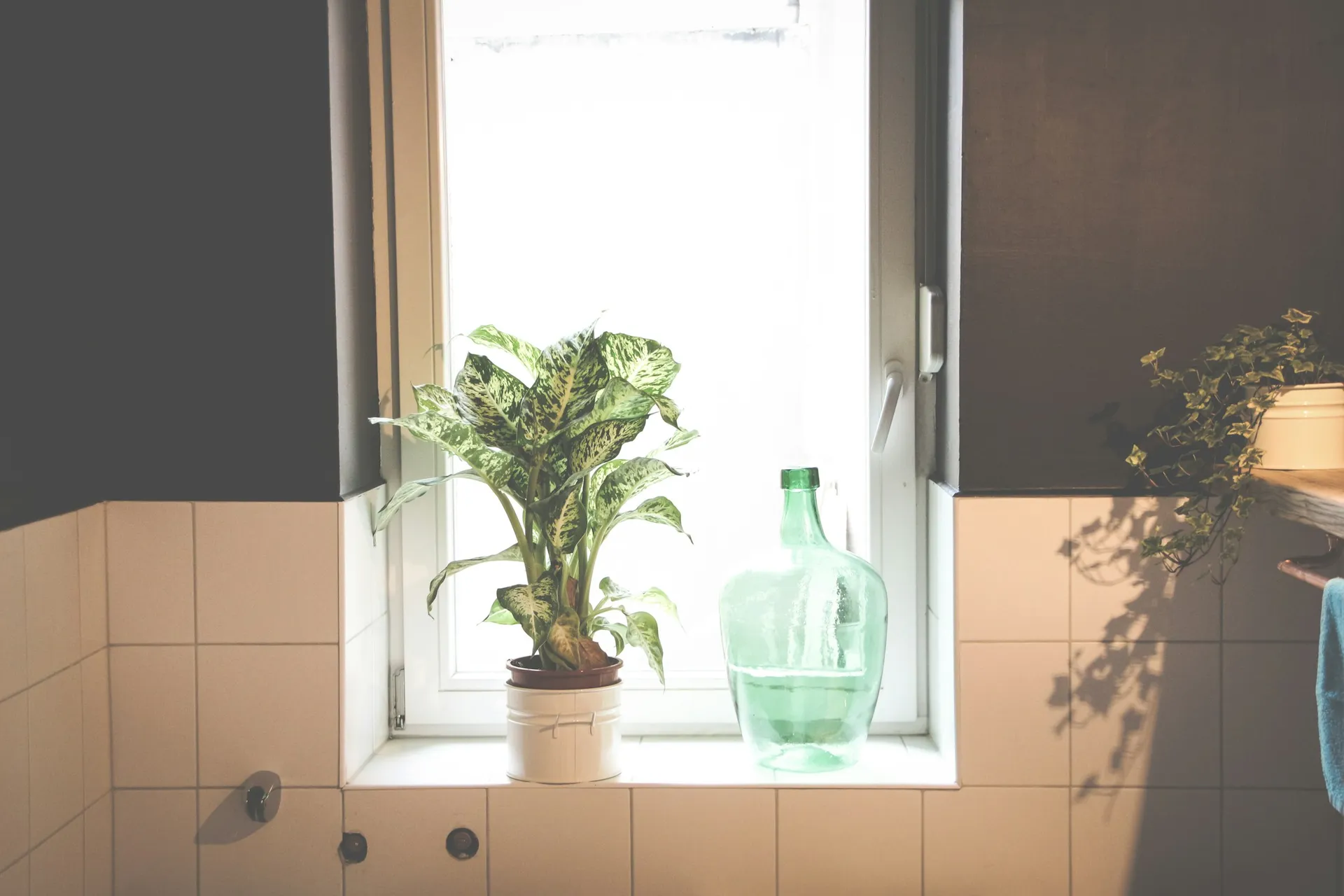
Short answer: mould grows wherever moisture lingers, and Singapore's climate supplies plenty of it. The fix is always the same order: find and stop the moisture source (a leak, condensation or poor ventilation), clean hard surfaces with detergent and water and dry them fully, then change the design or habits that let moisture build up. A renovation is the best chance to design mould out of bathrooms, wardrobes and storage.
Why Singapore homes get mouldy
The Meteorological Service Singapore states that the mean annual relative humidity is around 82%. Humidity often exceeds 90% just before sunrise, falls to around 60% on dry afternoons, and frequently reaches 100% during prolonged rain. That air is always carrying moisture into your home.
NTU reported in 2024 that Associate Professor Tham Kwok Wai of NUS, an indoor air quality expert, said mould is widespread in Singapore because of its warm tropical climate and can grow on any surface where conditions are conducive. In that case, independent experts found condensation and rain exposure were the main causes: condensation forms when humid outside air meets cooler indoor surfaces, for example when windows and doors stay open in air-conditioned rooms.
The usual culprits at home are:
- Condensation on cool surfaces, often when air-conditioned rooms are opened to humid air.
- Poor ventilation in bathrooms, wardrobes, storerooms and the household shelter.
- Leaks from pipes, bathrooms upstairs, windows or external walls.
- Wet items left to dry slowly indoors, such as laundry, towels and shoes.
Is mould harmful?
The US Environmental Protection Agency (EPA) says mould can cause allergic reactions such as sneezing, runny nose, red eyes and skin rash, can trigger asthma attacks in people with asthma who are allergic to it, and can irritate the eyes, skin, nose, throat and lungs. If anyone at home has health concerns, the EPA suggests speaking to a health professional before cleaning up.
How to clean mould safely
The EPA's guidance for homes:
- Fix the water problem first. Cleaning without stopping the moisture means it comes back.
- Scrub hard surfaces with detergent and water, then dry completely.
- Throw away porous items that stay mouldy, such as ceiling boards or carpet, because mould can be hard or impossible to remove from them.
- Do not paint or caulk over mould. Clean and dry first, or the paint is likely to peel.
- Get professional help for large areas. The EPA suggests small areas under about 10 square feet (roughly a 1 metre by 1 metre patch) can usually be handled yourself.
- Dry water damage fast. The EPA advises drying water-damaged areas and items within 24 to 48 hours.
Keep humidity down
The EPA recommends keeping indoor relative humidity below 60%, ideally between 30% and 50%. That US guideline is hard to hold in Singapore without air-conditioning or a dehumidifier, but it is a useful target for wardrobes, storerooms and bedrooms. An inexpensive humidity meter tells you which rooms need attention.
Practical habits:
- Close windows and doors when the air-conditioner is on, to avoid the condensation problem described above.
- Run a dehumidifier in rooms that stay closed, such as a storeroom.
- Use exhaust fans or open windows when showering and cooking.
- Keep aircon drain lines clear and service units regularly.
Design mould out during renovation
Bathrooms
- Ventilation: if the bathroom has a window, keep it unobstructed. If not, plan an exhaust fan and a power point for it.
- Waterproofing: most persistent bathroom mould comes from water getting where it should not. Our bathroom waterproofing guide covers what to check.
- Wet and dry separation with a shower screen keeps the rest of the floor dry.
- Finishes: choose surfaces that dry quickly and are easy to clean. See tiles and bathroom vanities.
Wardrobes and carpentry
- Avoid sealing wardrobes against external walls that get rain and sun. Leave a small air gap, or put the wardrobe on an internal wall.
- Add ventilation with louvred panels, vents or a gap at the plinth.
- Choose moisture-resistant boards and finishes, especially for cabinets near wet areas. Our wardrobes and carpentry finishes guides cover the options.
- Plan wardrobe lighting or a small dehumidifier point if the room is often closed.
Household shelter and storerooms
These closed rooms are classic mould spots. You cannot alter the household shelter, but you can use open shelving, keep items off the floor and air the room regularly. Our household shelter storage ideas post has more.
Ceilings and walls
- Leave access panels in false ceilings below bathrooms or pipes, so leaks can be found early. See false ceilings.
- Use a mould-resistant or washable paint in kitchens and bathrooms. See wall finishes.
- Fix ceiling stains before painting. A stain that spreads after rain or after the neighbour upstairs showers is a leak to report to HDB or your MCST, not a paint job.
Laundry
Plan a ventilated drying area in the service yard so wet laundry is not dried in bedrooms.
Mould prevention checklist
- Find and fix leaks before cleaning or repainting.
- Clean hard surfaces with detergent and water; dry them completely.
- Close windows when the aircon is running.
- Ventilate bathrooms, wardrobes and storerooms.
- Keep wardrobes off cold, damp external walls.
- Leave ceiling access panels below wet areas.
How JIAHOME helps
We plan ventilation, wardrobe positions and bathroom details into your layout from the start, so the design works with Singapore's climate. See our services or book a free first consultation.
FAQ
Frequently asked questions
Why does my house get mouldy in Singapore?
Singapore's mean annual relative humidity is around 82%, according to the Meteorological Service Singapore. Mould grows where that moisture lingers: condensation, poor ventilation, leaks and slow-drying wet items.
How do I clean mould off walls?
The EPA advises fixing the water problem first, scrubbing hard surfaces with detergent and water and drying them completely. Do not paint over mould, and get professional help for large areas.
Why is there mould in my wardrobe?
Closed wardrobes trap humid air, especially on external walls. Leave an air gap, add vents, and consider a dehumidifier in rooms that stay closed.
What humidity level stops mould?
The US EPA recommends keeping indoor humidity below 60%, ideally 30% to 50%. In Singapore that usually needs air-conditioning or a dehumidifier in closed rooms.
Does air-conditioning cause mould?
Not by itself, but opening doors and windows while the aircon runs lets humid air condense on cool surfaces, which experts identified as a main cause of mould in an NTU building.

Find your style